The Ultimate Guide to Human Dog Bed Bean Bags: Comfort for You and Your Furry Friend
Ever watched your dog curl up in their cozy bed and felt a twinge of envy? The human dog bed bean bag phenomenon has been taking the comfort world by storm, offering people the chance to experience the same level of cozy comfort that our canine companions enjoy daily. These oversized, plush bean bags are designed to cradle your body in the same supportive way that dog beds do for our four-legged friends, providing an exceptional lounging experience that traditional furniture simply can’t match. In this comprehensive guide, we’ll explore everything you need to know about human dog beds, from purchasing options to DIY alternatives, and why they might just be the comfort solution you never knew you needed.
What Exactly Is a Human Dog Bed Bean Bag?
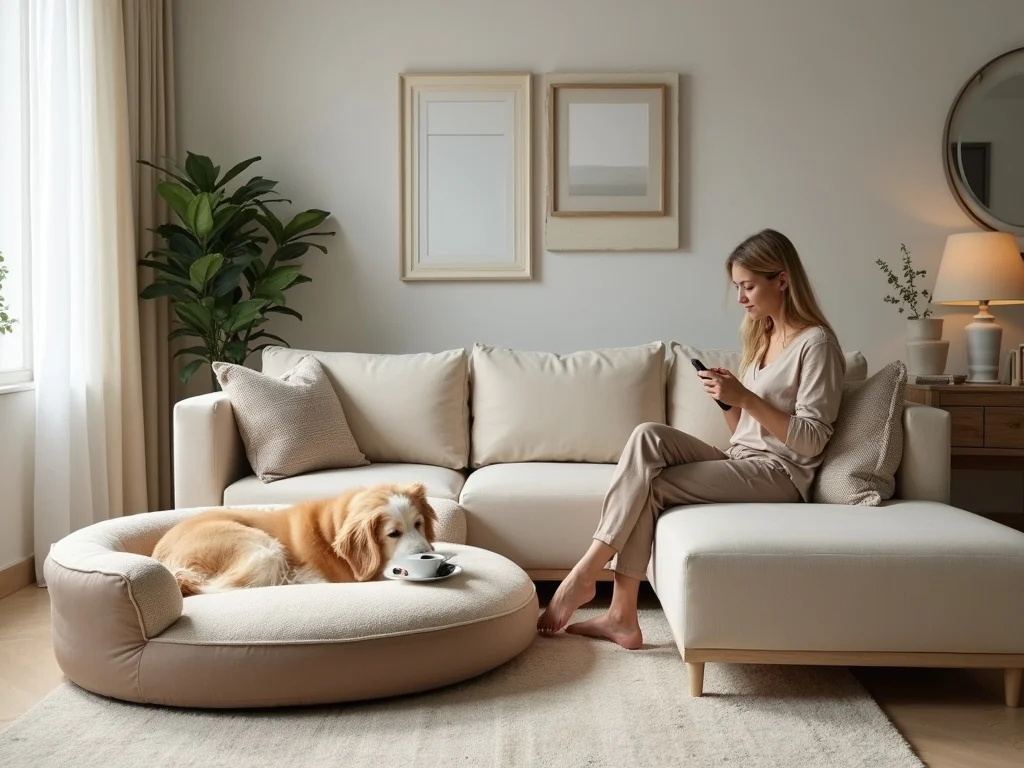
A human dog bed bean bag is essentially an oversized, plush lounging solution inspired by the design principles of dog beds but scaled up for human use. Unlike traditional bean bags that often provide inconsistent support, human dog beds feature thoughtful ergonomic designs with bolster edges that cradle the body, premium filling materials that adapt to your shape, and ultra-soft covers that invite hours of comfortable relaxation. The most popular versions, like the Plufl brand that pioneered this concept, feature a distinctive oval shape with raised edges that create a nest-like environment, perfect for curling up with a book, taking a nap, or simply unwinding after a long day.
These innovative lounging solutions bridge the gap between furniture and bedding, offering a versatile piece that works equally well for afternoon naps, movie marathons, reading sessions, or even as an alternative sleeping arrangement for guests. The raised bolster edges provide gentle support for your head, neck, and back, while the plush interior filling conforms to your body’s contours, eliminating pressure points and creating a floating sensation that many users describe as “cloud-like.”
Benefits of Human Dog Bed Bean Bags
Unparalleled Comfort
The primary appeal of human dog beds lies in their exceptional comfort. The ergonomic design cradles your body in a way that traditional furniture simply cannot match. The combination of memory foam or premium fill material with soft, plush covers creates a sensation often described as “being hugged by clouds.” The bolster edges provide perfect support for your head and neck, while the center depression gently supports your spine in natural alignment. This unique design is particularly beneficial for those with chronic pain issues, as it distributes body weight evenly and eliminates pressure points that can cause discomfort during extended lounging sessions.
Versatility
Unlike standard furniture that serves a single purpose, human dog beds are remarkably versatile. They function beautifully as a reading nook, a movie-watching station, a meditation space, an alternative guest bed, or even a playspace for children. Their portable nature (especially the bean bag varieties) means they can be moved from room to room as needed, adapting to your changing needs throughout the day. Many users report using them in home offices during the day for comfortable working positions, then moving them to living spaces in the evening for family relaxation time.
Stress Reduction
The enveloping, nest-like design of human dog beds creates a sense of security that can significantly reduce stress and anxiety. The gentle pressure from all sides mimics the comforting sensation of a weighted blanket, activating the parasympathetic nervous system’s calming response. Many users report falling asleep faster and experiencing deeper relaxation when using these specialized bean bags. This stress-reducing quality makes them particularly valuable in high-stress households or for individuals dealing with anxiety disorders, sensory processing issues, or insomnia.
Multi-User Appeal
Human dog beds have universal appeal across age groups. Children love the playful, fort-like feeling they provide, while adults appreciate the ergonomic support and comfort. Many families report that their human dog bed becomes the most sought-after spot in the house, with both kids and parents competing for time in it. The larger models can even accommodate multiple users, making them perfect for family movie nights or story time with children. The inclusive design works equally well for all body types, unlike some furniture that may be uncomfortable for taller or heavier individuals.
Popular Human Dog Bed Bean Bag Options on the Market
Plufl: The Original Human Dog Bed
Plufl pioneered the human dog bed concept and remains the gold standard in this emerging market. Their premium offering features an orthopedic memory foam base covered with a soft, pill-resistant cover that’s both removable and machine washable. The distinctive oval shape with thick bolster edges creates the perfect nest for humans seeking ultimate comfort. While carrying a premium price tag (typically around $399), Plufl beds are handcrafted with high-quality materials designed to last for years. They’re available directly from Plufl’s website or through select retailers including Amazon.
The Plufl comes in several color options to match various home décor schemes, and customer reviews consistently praise its exceptional comfort and durability. The company also offers occasional discount codes through their social media channels, making this premium option more accessible during promotional periods. For those seeking the authentic human dog bed experience, Plufl remains the benchmark against which all others are measured.
Giant Bean Bag Alternatives
For those seeking a more budget-friendly option, several manufacturers offer oversized bean bags that can serve a similar purpose. Brands like Ultimate Sack, Lovesac, and CordaRoy’s produce large, comfortable bean bags that, while not specifically designed as human dog beds, provide similar comfort benefits. These options typically range from $150-$300 depending on size and quality, making them more accessible entry points into the world of premium lounging furniture. The key differences typically lie in the filling material (shredded foam versus memory foam) and the absence of the distinctive bolster edges that characterize purpose-built human dog beds.
When shopping for bean bag alternatives, look for options with machine-washable covers, high-density foam filling that won’t flatten quickly, and size specifications that will accommodate your height comfortably. Many manufacturers list the dimensions when fully expanded, which helps ensure you select a model appropriate for your needs. Reading customer reviews specifically from taller or larger users can provide valuable insights into actual usability beyond marketing claims.
DIY Options
With some basic crafting skills and the right materials, creating your own human dog bed is entirely possible and can result in significant cost savings. The DIY approach also allows for complete customization in terms of size, firmness, and fabric choices. We’ll explore the DIY process in greater detail later in this article, but the basic components needed include memory foam or high-density foam for the base, additional foam pieces for bolsters, durable upholstery fabric, and basic sewing supplies. While requiring an investment of time and effort, the DIY route typically costs between $100-$200 in materials, making it roughly half the cost of commercial options.
Key Features to Consider When Purchasing
Size and Dimensions
When selecting a human dog bed bean bag, size should be your primary consideration. Most commercial options measure between 68-74 inches in length and 38-45 inches in width, but these dimensions can vary significantly between manufacturers. Ideally, you want a bed that’s at least 6 inches longer than your height to ensure proper comfort. For couples or families who plan to share the space, opt for the largest size available. Remember to also measure the area where you plan to place the bed, as these oversized comfort solutions require substantial floor space. Additionally, consider ceiling height if you plan to place it in a loft or under sloped ceilings, as the bolster edges add significant height to the overall profile.
Filling Material
The interior filling largely determines both comfort and longevity of your human dog bed. Premium options typically use orthopedic memory foam for the base, which provides superior support and maintains its shape over time. More affordable alternatives might use shredded foam, which can be comfortable initially but tends to compress and flatten with regular use. Some models use a hybrid approach with a solid foam base and softer shredded foam in the bolster edges, offering a balance of structure and plushness. When evaluating filling options, consider your primary use case – if you’ll be using it primarily for napping or sleeping, investing in higher-quality memory foam will pay dividends in comfort and durability.
Cover Material and Removability
Since you’ll be spending extended periods in contact with the cover material, its texture and composition matter significantly. Look for breathable, soft fabrics like microfiber, velvet, or premium cotton blends that feel pleasant against skin. Equally important is whether the cover is removable and machine washable – this feature is essential for maintaining hygiene with regular use. Some premium models offer waterproof inner liners beneath the outer cover, providing protection against spills or accidents that might otherwise damage the foam core. This feature is particularly valuable for households with children, pets, or those who plan to eat and drink while lounging.
Durability and Warranty
Quality human dog beds represent a significant investment, so durability should be a key consideration. Examine seam construction, zipper quality, and fabric thickness as indicators of longevity. Reputable manufacturers typically offer warranties ranging from 1-3 years, with premium brands sometimes extending coverage to 5 years or more. Customer reviews can provide valuable insights into how well these products hold up under real-world conditions beyond the manufacturer’s claims. Pay particular attention to comments about foam compression, cover wear, and zipper functionality, as these are common failure points in lower-quality options.
How to Make Your Own DIY Human Dog Bed Bean Bag
Materials Needed
Creating your own human dog bed can be a rewarding project that results in a custom comfort solution perfectly tailored to your preferences. To get started, you’ll need the following materials:
- Memory foam or high-density foam: 4-5 inch thickness for the base (approximately 70″x40″)
- Additional foam: For the bolster edges (approximately 12″ wide strips)
- Upholstery fabric: 6-8 yards depending on width and pattern
- Waterproof fabric liner: Optional but recommended for protecting foam
- Heavy-duty thread: Suitable for sewing upholstery
- Heavy-duty zipper: At least 36″ long for cover removal
- Sewing supplies: Needles, pins, scissors, measuring tape
When selecting materials, prioritize quality over cost savings, particularly for the foam components. Higher-density foam maintains its shape longer and provides better support. For the cover fabric, choose something durable yet soft – microfiber, velvet, or heavyweight cotton blends work well. If you have pets or children, consider stain-resistant or easily washable options to extend the lifespan of your creation.
Step-by-Step Construction Process
Follow these steps to create your custom human dog bed bean bag:
- Create a paper pattern: Start by drawing the oval base shape on large paper (you can tape together multiple sheets). Typical dimensions are around 68-72″ long by 38-42″ wide, but you can customize based on your height and available space.
- Cut the foam: Use an electric carving knife or sharp utility knife to cut the base foam according to your pattern. For the bolsters, cut long strips of foam approximately 8-12″ wide and 4-5″ thick.
- Shape the bolsters: The bolsters need to follow the oval contour of the base. You can connect multiple pieces using spray adhesive designed for foam if necessary.
- Create the waterproof liner: Cut waterproof fabric slightly larger than your foam pieces and sew a simple envelope-style cover for both the base and bolsters.
- Design the outer cover pattern: Create pattern pieces for the top, bottom, and sides of the cover, adding 1/2″ seam allowance throughout.
- Cut and sew the outer cover: Cut fabric according to your pattern. Sew the top panel to the side panels, install the zipper along one end, then attach the bottom panel.
- Add finishing touches: Consider adding internal ties or straps to keep the bolster sections aligned with the base, particularly if making them as separate pieces.
- Insert foam and enjoy: Place the foam (in its waterproof liner) into the finished cover and zip closed.
The construction process typically takes 6-10 hours depending on your sewing experience and the complexity of your design. Working with such large pieces can be challenging, so having a large, clear work surface is advantageous. Some crafters find it helpful to use temporary spray adhesive to keep fabric layers aligned during sewing, particularly when working with the curved edges of the oval shape.
Customization Options
One of the major advantages of the DIY approach is the ability to customize every aspect of your human dog bed. Consider these possibilities:
- Adjustable firmness: Layer different densities of foam to create your ideal support level
- Two-sided design: Create a cover with different fabrics on each side (perhaps cooling fabric for summer and plush for winter)
- Built-in pillows: Add small pockets to hold removable pillows for additional head support
- Storage pockets: Incorporate external pockets to hold books, remote controls, or electronic devices
- Heating elements: Advanced DIYers might incorporate safe, low-voltage heating pads for winter warmth
- Portability features: Add handles or design a foldable version for easier transportation
The beauty of creating your own design is that you can incorporate features that address your specific needs and preferences. If you experience neck pain, for example, you might design higher bolsters at one end. If you tend to run hot while sleeping, selecting cooling fabrics and foam with ventilation channels can enhance comfort. The possibilities are limited only by your imagination and crafting skills.
Comparing Bean Bag Dog Beds and Human Dog Beds
Structural Differences
While both bean bag dog beds and human versions share some similarities, they differ significantly in structure and design principles. Traditional bean bag dog beds are typically filled with polystyrene beads or shredded foam and feature a simple circular or oval shape without significant structural elements. In contrast, human dog beds incorporate orthopedic design principles with defined bolster edges and a supportive base that maintains its shape. The bolster design serves an important functional purpose beyond aesthetics – it provides crucial head, neck, and back support that enables comfortable extended use by humans. Additionally, the materials used differ substantially, with human versions utilizing higher-density foams that can support adult weight without bottoming out.
Another key structural difference lies in the proportions. While dog beds are designed with canine sleeping positions in mind (typically curled or sprawled), human versions must accommodate the longer human frame and our different weight distribution. This results in elongated oval shapes rather than circular designs, with strategic support zones that align with human anatomy. The bolster heights are also calibrated differently, with human versions featuring higher side walls to create the characteristic nest-like environment that provides both physical and psychological comfort.
Material Quality Considerations
The materials used in human dog beds typically represent a significant upgrade from those found in pet products. While premium dog beds might use memory foam, the density and durability specifications differ substantially when designed for human use. Human-grade memory foam must meet stricter flammability standards and durability requirements, using higher-density foam (typically 3-5 pounds per cubic foot versus 1.5-2.5 for pet products). Cover materials also differ significantly, with human versions utilizing upholstery-grade fabrics designed to withstand years of consistent use without pilling, fading, or losing softness.
When evaluating material quality in either product category, certifications provide valuable guidance. Look for CertiPUR-US certification for foam components, ensuring they’re made without ozone depleters, heavy metals, formaldehyde, and other potentially harmful chemicals. For covers, OEKO-TEX certification indicates textiles tested for harmful substances. These certifications are more commonly found in human-grade products but are increasingly appearing in premium pet lines as consumer awareness grows about the importance of non-toxic materials in our living environments.
Size and Weight Capacity
The most obvious difference between dog and human versions is size. Even beds designed for large breed dogs rarely exceed 48 inches in length, while human versions typically start at 68 inches and range up to 78 inches for models accommodating taller individuals. Weight capacity represents another significant distinction – most dog beds are designed to support animals weighing up to 100 pounds, while human versions must safely support 250-400 pounds without compromising comfort or structural integrity. This necessitates stronger internal construction and higher-density core materials.
When selecting either type, it’s crucial to match the size and weight capacity to the intended user. Using a dog bed that’s too small for a large breed can lead to discomfort and accelerated wear, while putting a small dog in an oversized bed might reduce the sense of security that bolsters provide. Similarly, human users should select beds that provide at least 6 inches of additional length beyond their height to ensure comfortable positioning without feet hanging over the edge. For couples or families who plan to share the human dog bed, the largest available options (typically 78″x45″) provide the most versatile use scenarios.
How to Incorporate a Human Dog Bed Bean Bag into Your Home Décor
Ideal Placement Options
The substantial size of human dog beds requires thoughtful placement within your home. Consider these optimal locations:
- Living room corner: Creating a dedicated relaxation nook away from main traffic patterns
- Home office: Positioned near natural light for comfortable reading or alternative working postures
- Master bedroom: As a secondary relaxation spot or meditation space
- Bonus rooms or lofts: Where their casual nature complements less formal spaces
- Basement recreation areas: Perfect for movie watching or gaming sessions
When determining placement, consider proximity to power outlets (for charging devices or adding lighting), natural light sources, and room traffic patterns. The ideal location balances accessibility with a degree of privacy that invites relaxation. Many users find that creating a distinct “comfort zone” with the human dog bed as the centerpiece helps mentally separate relaxation time from more productive spaces within the home. This psychological boundary can enhance the restorative benefits of time spent in your human dog bed.
Complementary Accessories
Enhance your human dog bed experience with these carefully selected accessories:
- Adjustable lighting: A floor lamp with flexible positioning allows for perfect illumination for reading
- Side tables: C-shaped tables that slide partially under the bed keep essentials within reach
- Throw blankets: Lightweight options in complementary colors add warmth and style
- Support pillows: Additional small pillows can customize support for different activities
- Device holders: Tablet stands or phone holders that position screens at comfortable viewing angles
- Noise-cancelling headphones: Create an auditory oasis even in busy households
The right accessories transform your human dog bed from simple furniture into a comprehensive relaxation station. Consider how you primarily plan to use the space – readers might prioritize lighting and book storage, while those who enjoy streaming content might focus on device support and audio enhancements. The goal is creating a self-contained comfort environment that addresses all sensory aspects of relaxation, from tactile comfort to visual and auditory considerations.
Style Coordination Tips
While human dog beds make a distinctive statement in any space, they can be thoughtfully integrated with existing décor through these design strategies:
- Color coordination: Select a cover color that either complements your existing palette or deliberately contrasts as an accent piece
- Texture mixing: Balance the plush texture with contrasting elements like sleek metals or natural woods in surrounding furniture
- Visual anchoring: Place the bed on an area rug that defines its space while connecting to the room’s color scheme
- Vertical integration: Add wall art or tall plants near the bed to draw the eye upward and prevent the low-profile bed from making the ceiling seem disproportionately high
- Seasonal accessories: Rotate throw pillows and blankets seasonally to refresh the look without replacing the bed itself
Remember that human dog beds inherently create a casual, relaxed atmosphere in any space. Rather than fighting this quality by attempting to make them look formal, embrace their inherent playfulness while ensuring they don’t appear out of place. In minimalist or formal rooms, selecting neutral colors and clean lines helps the bed blend harmoniously, while eclectic or bohemian spaces can accommodate bolder colors and patterns that make the bed a focal point.
Maintenance and Care for Long-Lasting Comfort
Cleaning Recommendations
Proper cleaning extends the lifespan of your human dog bed while ensuring a hygienic lounging environment. Follow these guidelines for different components:
- Removable covers: Most high-quality covers are machine washable. Wash in cold water on a gentle cycle and air dry or tumble dry on low heat to prevent shrinkage. Washing every 1-2 months is recommended for regular use.
- Foam inserts: These cannot typically be fully immersed in water. For spot cleaning, use a mild detergent diluted in water, apply with a cloth, and allow to air dry completely before replacing covers. For deeper cleaning, a handheld upholstery cleaner with minimal moisture can be effective.
- Deodorizing: Between washings, sprinkle baking soda across the surface, let sit for 1-2 hours, and vacuum thoroughly. This removes odors without introducing moisture.
- Stain treatment: Address spills immediately by blotting (not rubbing) with clean, absorbent cloth. For persistent stains, enzyme-based cleaners designed for upholstery work best.
Following manufacturer-specific guidance is crucial, as cleaning requirements can vary based on materials. Some premium covers utilize stain-resistant treatments that require specific cleaning approaches to maintain their protective properties. For beds without removable covers, professional upholstery cleaning once or twice yearly helps extend lifespan and maintain hygiene standards, particularly in households with allergies or respiratory sensitivities.
Extending Lifespan
Implement these practices to maximize your investment’s durability:
- Rotation schedule: Flip and rotate the bed monthly to distribute wear evenly and prevent premature compression of foam in favorite spots.
- Sun protection: Avoid placing the bed in direct sunlight for extended periods, as UV rays can degrade both foam and fabric, causing fading and material breakdown.
- Humidity control: Store in areas with moderate humidity, as excessive moisture can promote mold growth within foam, while extremely dry conditions can cause foam to become brittle over time.
- Weight distribution: Encourage even use across the surface rather than consistently sitting in the same position, which can create permanent depressions in the foam.
- Protective covers: Consider using a waterproof mattress protector beneath the decorative cover if you have children, pets, or frequently eat and drink while using the bed.
With proper care, a quality human dog bed should provide 5-7 years of comfortable use before requiring foam replacement. The cover may need replacement earlier depending on usage patterns and material quality. Many manufacturers offer replacement covers without requiring purchase of an entirely new unit, representing a cost-effective refresh option when the original cover shows wear but the foam remains supportive.
Rejuvenation Techniques
If your human dog bed begins showing signs of wear, try these rejuvenation approaches before replacement:
- Foam fluffing: For beds with shredded foam filling, remove the inner contents and manually separate clumped materials to restore loft and softness.
- Foam toppers: Adding a 1-2 inch memory foam topper beneath the existing cover can restore comfort when the original foam has compressed.
- Professional cleaning: Deep extraction cleaning can remove accumulated oils and debris that make foam feel less responsive.
- Cover replacement: Many manufacturers sell replacement covers separately, allowing you to refresh appearance without replacing the entire unit.
- Bolster reinforcement: If bolsters have compressed, adding additional filling or foam inserts can restore their supportive properties.
For DIY enthusiasts, minor repairs to covers using upholstery-grade thread and patches can extend usability. Zipper replacements represent another common repair that can significantly extend a cover’s useful life. When evaluating whether to repair or replace, consider the condition of the foam core – if it still provides adequate support, investing in cover repairs or replacement makes economic sense. If the foam has degraded significantly, however, full replacement typically offers better value than attempting extensive rehabilitation.
Real User Experiences and Testimonials
Among the most compelling evidence for the value of human dog beds are the experiences of those who use them daily. Families with children consistently report that these oversized comfort stations become the most sought-after spot in the house, with kids naturally gravitating toward the secure, nest-like environment for reading, relaxation, and even homework. Parents note that children who typically resist reading time suddenly become enthusiastic when allowed to use the human dog bed as their reading spot, suggesting these unique furniture pieces may have applications beyond simple comfort.
Adults with chronic pain conditions offer particularly insightful testimonials about the therapeutic benefits. Many report significant relief from back and neck discomfort when using properly designed human dog beds, attributing the improvement to the combination of supportive foam and the natural body alignment encouraged by the bolster design. Office workers who spend hours at desks describe their human dog beds as essential recovery tools that help counteract the effects of prolonged sitting by allowing the spine to decompress in a supported, neutral position. These experiences suggest potential applications beyond casual lounging, positioning human dog beds as wellness tools with legitimate therapeutic benefits.
The social aspects of human dog beds also emerge in user testimonials, with many describing them as relationship-enhancing furniture that encourages physical closeness and shared relaxation time. Couples report using them for movie nights and conversation, while families describe them as “technology-free zones” that promote face-to-face interaction in an increasingly digital world. This social dimension adds value beyond physical comfort, suggesting these unique furniture pieces may play a role in fostering connection and communication within households.
Making an Informed Purchase Decision
When deciding whether a human dog bed bean bag is right for your lifestyle, consider these key factors:
- Space availability: These substantial pieces require adequate floor space – typically at least a 6’x4′ area for comfortable access.
- Primary usage: If you’ll primarily use it for napping or sleeping, invest in higher-quality foam and supportive bolsters. For casual lounging, less expensive options may suffice.
- User characteristics: Consider the height, weight, and any specific comfort needs of primary users when selecting size and support level.
- Budget considerations: Quality options range from $150 (DIY) to $500+ (premium brands), with substantial differences in durability and comfort at different price points.
- Household dynamics: In multi-person households, consider who will use it and how potential competition for the space might be managed.
Testing before purchasing represents the ideal approach when possible. Some specialty furniture retailers now offer in-store testing of human dog beds, allowing you to experience the comfort firsthand before investing. When ordering online, carefully review return policies and be prepared to return a bed that doesn’t meet your expectations – comfort is highly subjective, and what works perfectly for one person may not suit another. Most reputable manufacturers offer trial periods ranging from 30-100 days, though return shipping for these bulky items can be costly.
Timing purchases strategically can yield significant savings. Many manufacturers offer their deepest discounts during major shopping events like Black Friday, Cyber Monday, and end-of-season clearances. Signing up for manufacturer newsletters often provides access to exclusive discount codes and early notification of upcoming sales. For the budget-conscious, considering slightly used options through marketplace listings can reduce costs by 30-50%, though careful evaluation of condition is essential when purchasing used soft furniture.
FAQs About Human Dog Bed Bean Bags
What is the difference between a human dog bed and a regular bean bag?
Human dog beds feature ergonomic designs with supportive bolster edges and premium memory foam filling that regular bean bags lack. While traditional bean bags are filled with polystyrene beads that shift and provide inconsistent support, human dog beds are constructed with structured foam layers that maintain their shape and provide proper ergonomic support for extended lounging or napping. The distinctive oval shape with raised edges creates a nest-like environment that cradles your body, unlike the amorphous shape of conventional bean bags.
How do I clean and maintain my human dog bed bean bag?
Most human dog beds feature removable, machine-washable covers that should be laundered in cold water on a gentle cycle every 1-2 months with regular use. The foam inserts cannot typically be fully washed but can be spot cleaned using mild detergent and water. For odor control between washings, sprinkle baking soda across the surface, let it sit for 1-2 hours, then vacuum thoroughly. To extend the lifespan, rotate and flip the bed monthly, keep it out of direct sunlight, and use a waterproof protector if you have children or pets.
What materials do I need to make my own DIY human dog bed?
To create a DIY human dog bed, you’ll need 4-5 inch thickness memory foam or high-density foam for the base (approximately 70″x40″), additional foam for bolsters (approximately 12″ wide strips), 6-8 yards of upholstery fabric, optional waterproof fabric liner for protecting the foam, heavy-duty thread suitable for upholstery, a heavy-duty zipper at least 36″ long, and basic sewing supplies including needles, pins, scissors, and measuring tape. Optional materials include spray adhesive for foam, pillow stuffing for extra plushness in bolsters, and decorative trim elements for aesthetic enhancements.
Where is the best place to buy a human dog bed bean bag?
The original Plufl human dog bed is available directly from Plufl’s website or on Amazon. For alternative options, retailers like Ultimate Sack, Lovesac, and CordaRoy’s offer oversized bean bags that serve similar functions. When purchasing, look for retailers that offer generous trial periods (30+ days), comprehensive warranties (1+ years), and transparent customer reviews. Buying directly from manufacturers typically provides the best customer service and warranty support, though marketplace platforms might offer better prices during promotional periods.
Can I make a waterproof human dog bed?
Yes, you can create a waterproof human dog bed by incorporating a waterproof liner between the foam core and the decorative outer cover. Use PUL fabric (Polyurethane Laminate), waterproof mattress protector material, or specialized waterproof upholstery fabric to create a complete envelope around all foam components. This protective layer prevents moisture from reaching the foam while allowing the outer cover to maintain its comfort and breathability. For additional protection, you can also treat the outer fabric with fabric waterproofing spray, though this will need periodic reapplication to maintain effectiveness.
Are human dog beds worth the investment?
Human dog beds represent excellent value for many households, particularly those seeking versatile, comfortable lounging solutions. Users report significant benefits including stress reduction, improved relaxation quality, relief from chronic pain, and enhanced social interaction within families. With proper care, quality human dog beds last 5-7 years, making their cost per use quite reasonable compared to other furniture investments. They’re especially valuable for people who work from home and need comfortable alternative seating options, those with chronic pain conditions, families with children, and anyone who prioritizes comfort for reading, media consumption, or napping. Their multi-functional nature as seating, lounging space, and guest sleeping options further enhances their practical value.