The Ultimate Guide to Donut Beds for Humans: Comfort, Benefits, and Best Options
Why Donut Beds Are Becoming the Next Big Trend in Human Comfort
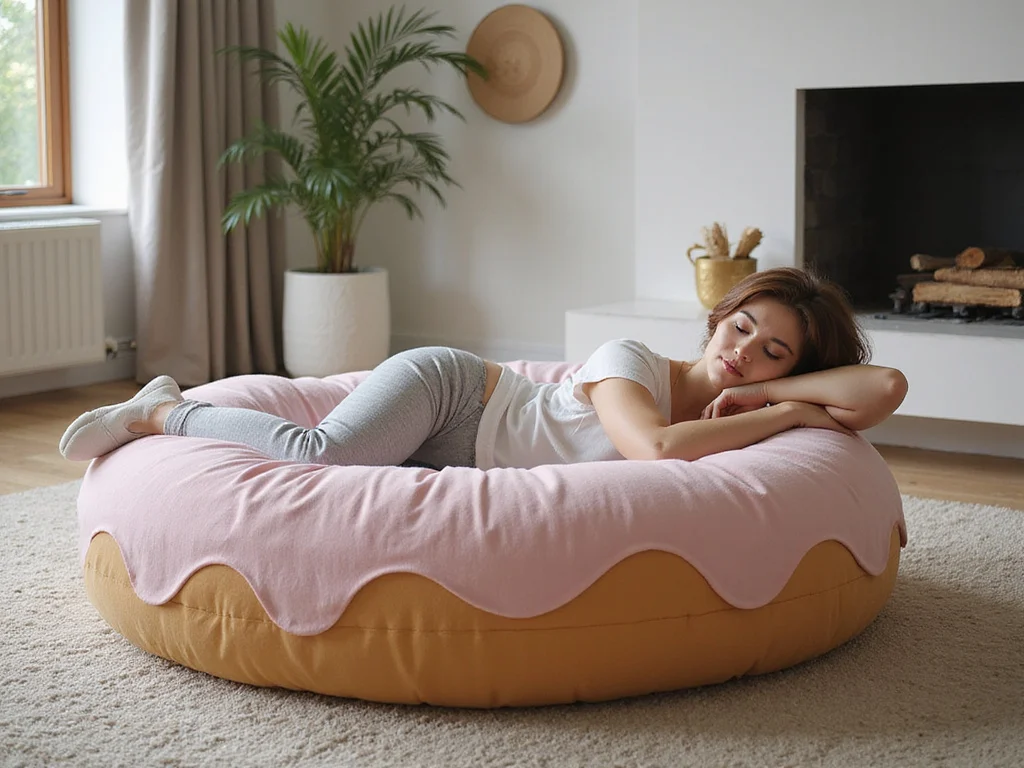
In the ever-evolving world of comfort innovations, an unexpected trend has emerged that’s capturing the attention of comfort enthusiasts everywhere: donut beds for humans. Yes, you read that correctly. The plush, circular beds that have long been favorites among our canine companions are now being redesigned and reimagined for human use, offering a unique and enveloping comfort experience that traditional mattresses simply can’t match.
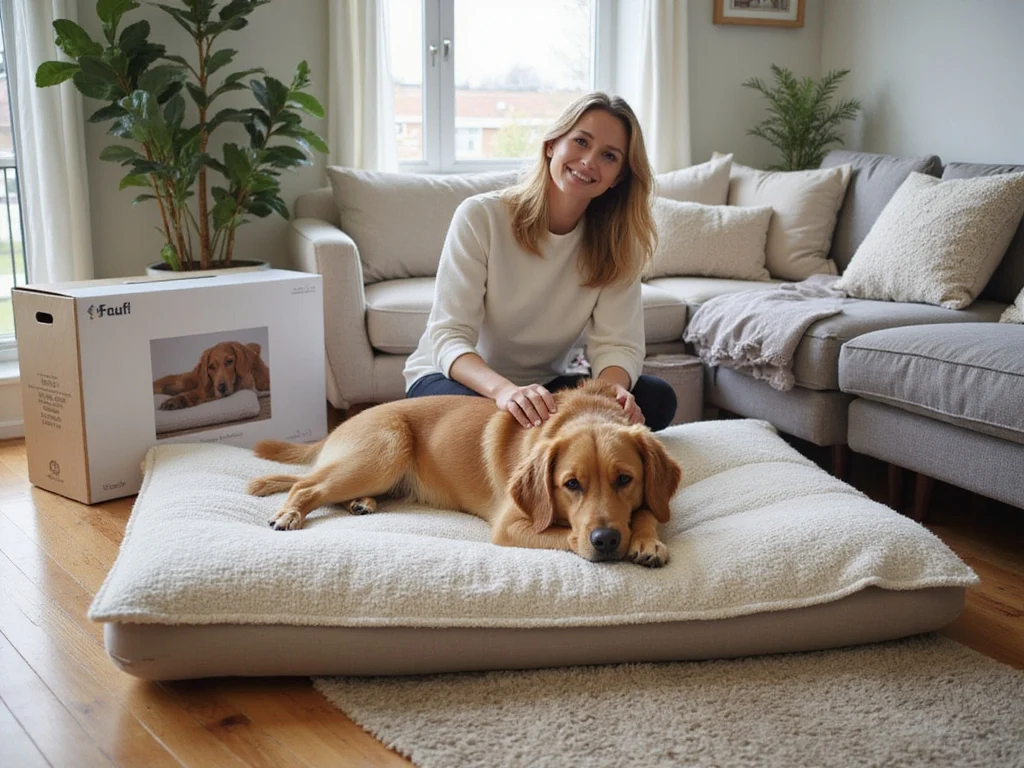
Donut beds for humans feature the same circular design with raised, cushioned edges that create a nest-like environment, cradling the body in a way that many users describe as “being hugged.” These oversized, cushiony havens first gained popularity after appearing on platforms like Shark Tank, where products like the Plufl (pronounced “ploof-ul”) captured the imagination of investors and viewers alike. Since then, the human donut bed market has expanded, with various companies offering their own take on this cozy concept.
What makes these beds so appealing? For starters, they offer an unparalleled sense of security. The raised edges create a boundary that many find comforting, especially for those who deal with anxiety or sleep issues. Additionally, the plush, enveloping nature of these beds makes them ideal for relaxation, meditation, reading, or simply enjoying a superior napping experience. In a world where comfort and wellbeing are increasingly prioritized, donut beds represent a novel approach to creating personal sanctuaries within our homes.
The Evolution From Pet Comfort to Human Luxury
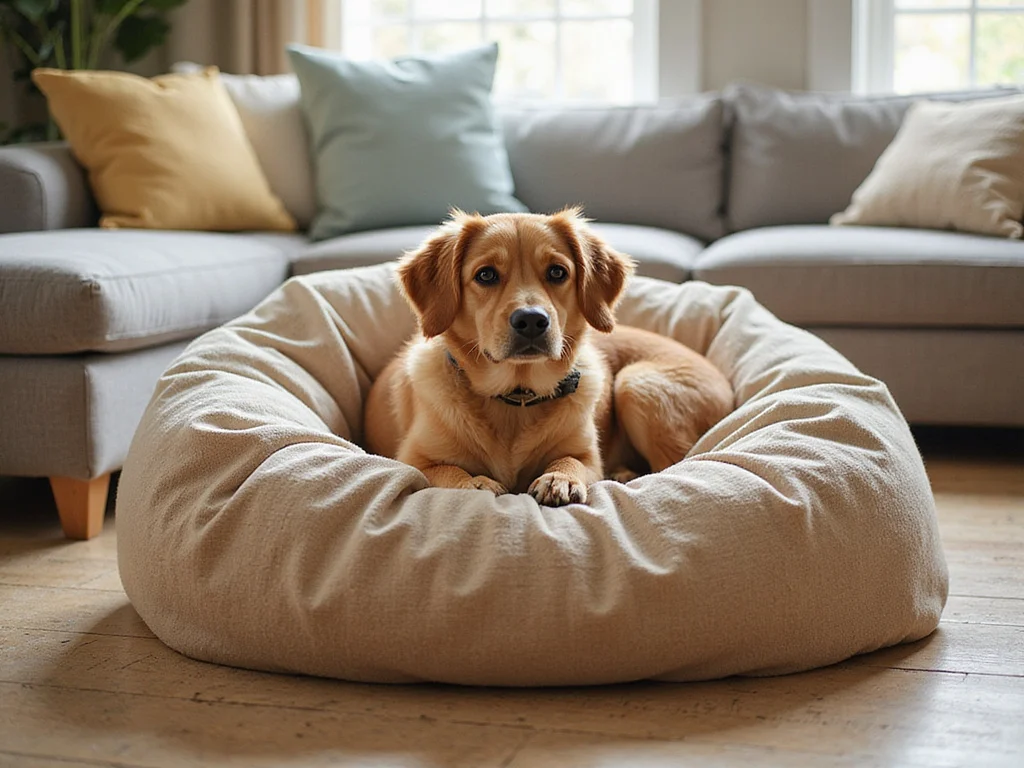
The journey of the donut bed from pet accessory to human comfort solution is a fascinating study in cross-species inspiration. Noah Silverman, one of the co-creators of the popular Plufl human donut bed, has shared that the idea struck him while observing a Great Dane contentedly sleeping in her oversized dog bed. This moment of inspiration led to a simple question: why don’t humans have something equally comfortable?
Traditional dog donut beds are designed with canine comfort in mind – they feature high bolstered edges that support a dog’s head and provide a sense of security, while the center cushion offers just the right amount of support for their bodies. The brilliance of the human adaptation lies in preserving these fundamentally comforting elements while scaling everything up and tailoring the firmness, materials, and dimensions to suit human anatomy.
What makes this evolution particularly interesting is how it challenges our preconceptions about comfort. For decades, the mattress industry has focused on flatness, firmness ratings, and technological innovations like memory foam and cooling gels. The donut bed approach throws much of this conventional wisdom out the window, suggesting that perhaps what humans really crave is the same sense of security and envelopment that our pets enjoy. It’s a humbling reminder that sometimes the best innovations come not from complex technology, but from observing the simple comforts that work across species.
Key Features That Make Donut Beds Irresistible for Humans
The appeal of donut beds for humans goes beyond their novelty – these innovative comfort solutions offer several distinct features that set them apart from traditional bedding options. Understanding these key elements helps explain why more people are making space in their homes for these oversized comfort pods:
- 360-Degree Support: Unlike traditional mattresses that primarily support from below, donut beds provide gentle pressure and support from all sides, creating a more complete sense of physical security.
- Premium Materials: The best human donut beds utilize high-density memory foam for the base and orthopedic foam for the bolstered edges, covered with ultra-soft, washable covers that often feature faux fur or other plush fabrics.
- Versatility: These beds serve multiple purposes beyond sleeping – they’re ideal for meditation, reading, working on laptops, watching TV, or simply relaxing in a more enveloping environment than a couch or regular bed can provide.
- Anxiety Relief: Many users report that the nest-like design helps reduce anxiety and provides a sense of safety, similar to the principles behind weighted blankets but in a more comprehensive form.
- Portability: Despite their substantial size, many human donut beds feature handles and can be moved from room to room more easily than mattresses, allowing for flexible use throughout the home.
The sensory experience of a donut bed is perhaps its most distinctive quality. Users frequently describe feeling “hugged” or “cradled” – sensations that tap into deep psychological comfort mechanisms. This kind of tactile experience triggers the release of oxytocin and serotonin, hormones associated with feelings of well-being and relaxation, potentially explaining why many users report improved sleep quality and reduced stress when using these beds.
Top Donut Beds for Humans on the Market Today
The market for human donut beds has expanded considerably as their popularity has grown. Here’s a comprehensive look at some of the leading options available today, with their distinctive features and benefits:
1. The Plufl (The Original Human Dog Bed)
As seen on Shark Tank, the Plufl has established itself as the pioneer in the human donut bed market. Created by university students Noah Silverman and Yuki Kinoshita, this premium option features:
- Orthopedic and memory foam construction for optimal support
- Ultra-soft, pill-resistant faux fur cover
- Handles for easy transportation
- Machine-washable outer cover
- Dimensions that accommodate most adults comfortably
The Plufl has gained a devoted following, with users particularly praising its quality construction and the comforting feeling of being “hugged” by the raised edges. While it represents a premium price point, many reviewers consider it an investment in their wellbeing and daily comfort.
2. Paw.com Human-Sized PupRug
Paw.com has expanded their popular dog bed line to include human-sized options with their signature attention to both comfort and style:
- Memory foam base with Faux Fur orthopedic bolsters
- Water-resistant, machine-washable covering
- Available in multiple colors to match home décor
- Slightly lower profile than some competitors
- Pet-friendly materials that resist odors and bacteria
The PupRug human beds stand out for their aesthetic appeal, with options that can complement a variety of interior design styles while providing the distinctive comfort of a donut bed.
3. The Cuddle Cloud
Taking a slightly different approach to the human donut bed concept, The Cuddle Cloud emphasizes maximalist plushness:
- Extra-deep filling for a more cloud-like experience
- Oversized dimensions for stretching out or sharing
- Removable, machine-washable microfiber cover
- High-walled design for greater sense of enclosure
- Compressed shipping for easier delivery
The Cuddle Cloud caters to those seeking an even more enveloping experience, with some users describing it as “like floating on a cloud with walls.”
When shopping for a human donut bed, consider factors like size (both overall dimensions and the inner sleeping area), materials (particularly the type of foam used and the cover fabric), and practical considerations like whether the cover is removable and washable. Since these beds represent a significant investment, reading user reviews about durability and long-term comfort is especially valuable.
Health and Wellness Benefits of Using a Donut Bed
Beyond the immediate comfort appeal, donut beds for humans offer several potential health and wellness advantages that have contributed to their growing popularity among diverse groups of users. These benefits tap into both physical and psychological aspects of wellbeing:
Stress and Anxiety Reduction
The nest-like design of donut beds creates what psychologists call a “containing environment” – a space that physically and psychologically signals safety to our brains. The gentle, consistent pressure from all sides simulates the comforting sensation of being held or embraced, which triggers the parasympathetic nervous system (our “rest and digest” mode). Users with anxiety, PTSD, or high-stress lifestyles often report significant calm when using these beds, with some describing it as “like a full-body weighted blanket experience.”
Improved Sleep Quality
While research specifically on donut beds is still emerging, the principles behind their design align with established sleep science. The raised edges can help reduce tossing and turning, while the cocoon-like environment minimizes distraction and promotes the security that’s conducive to deeper sleep. Many users report falling asleep faster and experiencing fewer nighttime awakenings when using a donut bed, whether for full nights of sleep or strategic napping.
Pain Relief and Proper Alignment
The orthopedic foam used in quality donut beds provides substantial support while conforming to the body’s contours. The design naturally encourages side-sleeping and fetal positions, which can be beneficial for those with certain types of back pain. The bolstered edges also provide excellent support for the neck, shoulders, and knees, potentially reducing pressure points that cause discomfort on flat mattresses.
Sensory Benefits
The plush materials and enveloping design of donut beds offer significant sensory input that many find calming. This makes them particularly valuable for individuals with sensory processing sensitivities or those who benefit from deeper proprioceptive feedback. Some occupational therapists have even begun recommending human donut beds for clients with specific sensory needs.
It’s worth noting that while many users experience these benefits, individual responses vary. Some people may find the enclosed feeling claustrophobic rather than comforting, while others may need time to adjust to the different sleep surface compared to traditional mattresses. As with any wellness product, personal preference plays a significant role in the experienced benefits.
How to Choose the Perfect Donut Bed for Your Needs
Investing in a donut bed for human use is a significant decision, both financially and in terms of the space it will occupy in your home. To ensure you select the optimal option for your specific needs, consider these comprehensive factors:
Size Considerations
Human donut beds come in various dimensions, and finding the right fit is crucial:
- Outer Dimensions: Measure your available space carefully, ensuring the bed will fit comfortably in your intended location with room to access it from at least one side.
- Inner Sleeping Area: Check the diameter of the center cushion. Taller individuals or those who prefer to stretch out may need models with larger inner dimensions.
- Bolster Height: The height of the raised edges affects both the sense of enclosure and the practical aspects of getting in and out of the bed. Higher bolsters provide more of a “nesting” feeling but may be more challenging to exit for some users.
- Weight Capacity: Verify that your chosen model can adequately support your weight (and potentially a partner or pet’s weight if sharing is anticipated).
Material Quality and Construction
The materials used determine both comfort and longevity:
- Base Foam: Look for high-density memory foam or orthopedic foam that will maintain its shape and support over time. Lower-quality foams may flatten quickly with regular use.
- Bolster Fill: The edges should provide firm support while remaining comfortable. Some models use the same foam as the base, while others use fiberfill for a softer feel.
- Outer Cover: Prioritize removable, machine-washable covers made from durable fabrics. Common options include faux fur, microfiber, and plush velvet-like materials.
- Inner Lining: A waterproof inner lining can protect the foam from accidents, spills, or sweat, significantly extending the bed’s lifespan.
- Construction Methods: Check reviews for information about seam quality, zipper durability, and overall craftsmanship.
Practical Features to Consider
Beyond the basics, these features can enhance usability:
- Portability: Handles make moving the bed between rooms much easier. Some models also offer compression for storage.
- Non-slip Bottom: This prevents shifting on hard floors, which is especially important for active sleepers.
- Temperature Regulation: Some premium models incorporate cooling gels or breathable materials to prevent overheating.
- Cleaning Options: Beyond washable covers, check if the manufacturer offers replacement covers or cleaning services for the internal components.
- Assembly Requirements: Most beds arrive compressed and need time to expand. Check how complex the assembly process is and whether tools are required.
Budget Considerations
Human donut beds range from approximately $200 for basic models to over $500 for premium options. When evaluating price points, consider:
- Warranty length and coverage
- Expected lifespan based on materials and construction
- Return policies and trial periods
- Shipping costs (these can be substantial for such large items)
- Potential for discounts during sales events
Many users find that allocating a higher budget for a quality donut bed pays dividends in terms of comfort and durability, making it a worthwhile investment in daily wellbeing.
Creative Ways to Incorporate a Donut Bed into Your Home
Once you’ve selected your perfect human donut bed, the next consideration is where and how to integrate it into your living space. These versatile comfort pieces can serve multiple functions beyond just sleeping, and with some creative thinking, can become a beloved centerpiece in various areas of your home:
Dedicated Relaxation Zones
Creating a specific relaxation area with your donut bed as the focal point can transform an ordinary room into a personal retreat:
- Reading Nooks: Position your donut bed near a window with natural light, add a small side table for books and beverages, and perhaps a reading lamp. This creates the perfect environment for literary escapes.
- Meditation Spaces: Place the bed in a quiet corner with minimal distractions, perhaps adding plants, a small fountain, or soft lighting to enhance the calming atmosphere. The supportive structure of the donut bed is ideal for maintaining comfortable meditation postures.
- Home Theater Companion: Some users position their donut bed in front of entertainment centers for an ultra-comfortable movie-watching experience that beats traditional seating.
Multi-functional Room Integration
For those with limited space, donut beds can serve double-duty:
- Office Retreat: Position the bed in a corner of a home office for rejuvenating breaks between work sessions. This creates a clear mental boundary between work and rest within the same room.
- Guest Room Alternative: In homes without dedicated guest rooms, a high-quality donut bed can serve as comfortable temporary sleeping arrangements for visitors.
- Family Room Flexible Seating: Place the donut bed in family rooms as an alternative seating option that’s particularly popular with children and teens.
Aesthetic Considerations
To ensure your donut bed enhances rather than detracts from your home’s aesthetic:
- Color Coordination: Choose a cover color that complements your existing décor or serves as an intentional accent piece.
- Accessorizing: Add coordinating throw pillows, blankets, or cushions that can be changed seasonally to refresh the look.
- Concealment Options: For those concerned about the visual impact, consider room dividers, decorative screens, or placement behind furniture when not in use.
- Dual-Use Furniture: Some users place their donut beds atop low platforms that include storage underneath, maximizing functionality.
The versatility of donut beds makes them particularly valuable in smaller living spaces where furniture needs to serve multiple purposes. Many users report that what began as an occasional comfort piece quickly becomes one of the most used spots in their homes, with family members and guests naturally gravitating toward these inviting comfort islands.
DIY Donut Beds: Creating Your Custom Comfort Zone
While purchasing a ready-made human donut bed offers convenience and guaranteed quality, crafting your own DIY version presents an opportunity for customization and potential cost savings. For those with sewing skills and a creative spirit, building a custom donut bed can be a rewarding project:
Materials and Supplies Needed
Gathering quality materials is essential for a successful DIY donut bed:
- Foam Options: For the base, consider high-density upholstery foam (4-6 inches thick) or memory foam mattress toppers. For the bolsters, medium-firm foam rolls or pool noodles wrapped in batting can create the structure.
- Fabric Choices: Select durable, washable fabrics like microsuede, minky fabric, faux fur, or heavy cotton. You’ll need approximately 5-8 yards depending on your bed size.
- Inner Waterproof Layer: Consider waterproof fabric, PUL (polyurethane laminate), or repurposed waterproof mattress protectors to protect the foam.
- Closures: Heavy-duty zippers allow for cover removal and washing.
- Tools: You’ll need a sewing machine capable of handling thick fabrics, sharp scissors, measuring tape, pins, and potentially a walking foot attachment.
Basic Construction Method
While detailed instructions would vary based on your specific design, here’s a simplified approach to creating a human-sized donut bed:
- Design and Measure: Determine your desired dimensions, typically a circular base of 40-60 inches in diameter with bolsters 8-12 inches high and 6-8 inches thick.
- Create Templates: Make paper patterns for the circular base and the tubular bolster sections.
- Cut Foam: Cut your base foam to size and shape your bolster materials into a continuous ring or connected sections.
- Create the Cover: Sew the waterproof inner lining first, then create an outer decorative cover with a zipper closure for easy removal and washing.
- Attach Handles: Add sturdy fabric handles to the sides for easy moving.
- Final Assembly: Insert the foam components into their respective covers and secure any connections needed to maintain the structure.
Customization Opportunities
The DIY approach allows for personalized touches that commercial options might not offer:
- Custom Sizing: Create dimensions specifically tailored to your height, preferred sleeping position, and available space.
- Firmness Control: Select foam densities that perfectly match your comfort preferences.
- Multiple Covers: Craft seasonal covers in different fabrics and colors to refresh the look throughout the year.
- Built-in Features: Incorporate pockets for books or devices, headrest areas, or even integrated LED lighting for reading.
- Personalized Details: Add embroidered names, custom piping, or decorative elements that make the bed uniquely yours.
Practical Considerations
Before embarking on this project, be realistic about:
- Cost Factors: While DIY can save money, quality materials still represent a significant investment. Expect to spend $150-300 depending on your materials.
- Skill Requirements: This project involves working with bulky materials and potentially complex curves. Some sewing experience is recommended.
- Time Investment: A human donut bed is not a quick weekend project for most people. Allow ample time for measuring, cutting, and assembly.
- Space Needs: You’ll need substantial floor space during construction for laying out and cutting materials.
For those interested in a more guided approach, several online resources offer tutorials specifically for scaling up dog donut bed patterns to human proportions. Websites like MyGoldenThimble provide valuable insights into choosing appropriate materials and construction techniques for durable, comfortable results.
Maintenance and Care: Keeping Your Donut Bed Fresh
Investing in a donut bed for human use means committing to proper maintenance to ensure longevity and hygiene. With the right care routine, your comfort haven can remain pristine and supportive for years to come. Here’s a comprehensive guide to maintaining your human donut bed:
Regular Cleaning Schedule
Establishing a consistent cleaning routine preserves both appearance and functionality:
- Weekly Maintenance: Vacuum the surface using an upholstery attachment to remove hair, dust, and debris that can work its way into the fabric.
- Bi-weekly Freshening: Sprinkle baking soda over the surface, let it sit for 15-30 minutes to absorb odors, then vacuum thoroughly.
- Monthly Deep Clean: Remove the outer cover for washing according to manufacturer instructions. Most covers can be machine washed on gentle cycles with mild detergent.
- Quarterly Rejuvenation: On a sunny, low-humidity day, take the entire bed outside (if possible) to air out. Sunlight naturally disinfects and helps eliminate lingering odors.
Stain Management
Accidents happen, but prompt attention minimizes damage:
- Liquid Spills: Blot immediately with absorbent towels, working from the outside in to prevent spreading. Avoid rubbing, which can push the stain deeper into fibers.
- Food Stains: Gently scrape off any solid material, then treat with an appropriate fabric cleaner matched to your cover material.
- Stubborn Stains: For persistent marks, consider enzyme-based cleaners designed for furniture, following the specific instructions for your fabric type.
- Professional Options: For valuable beds with significant staining, professional upholstery cleaning services may be worth the investment.
Structural Maintenance
Preserving the supportive qualities of your donut bed requires attention to its structure:
- Foam Fluffing: Regularly reshape and fluff the bolsters to prevent permanent flattening, especially in areas that receive the most use.
- Rotation Schedule: If your bed design allows, rotate it periodically so wear is distributed evenly across all sections.
- Seam Inspection: Check seams monthly for any signs of splitting or zipper damage. Address small issues promptly before they expand.
- Repair Tactics: Keep matching thread on hand for minor repairs. For foam issues, specialty adhesives designed for upholstery foam can extend the life of internal components.
Storage Solutions
For those who don’t use their donut bed year-round or need to relocate it:
- Short-term Coverage: When not in use for days or weeks, cover with a breathable fabric to prevent dust accumulation.
- Compression Techniques: Some beds can be compressed for temporary storage. Follow manufacturer guidelines to avoid damaging the foam structure.
- Environmental Factors: Store in climate-controlled environments to prevent mold, mildew, or foam degradation. Avoid damp basements or overheated attics.
- Pest Prevention: Ensure the bed is completely clean before storage and consider cedar blocks or other natural pest deterrents in storage areas.
With proper care, a quality human donut bed can provide exceptional comfort for 3-5 years or more. Many manufacturers also offer replacement covers that can extend the aesthetic life of your bed even when the internal components remain in excellent condition. Consider creating a simple care calendar reminder system to ensure maintenance tasks don’t get overlooked in busy households.
The Social Phenomenon: Why Donut Beds Are Taking Over Social Media
The human donut bed phenomenon extends beyond practical comfort to become a genuine cultural trend, especially visible across social media platforms. This unique fusion of functionality, comfort innovation, and visual appeal has created the perfect formula for viral content and community building. Understanding the social aspects of the donut bed trend provides insight into why these oversized comfort pieces have captured the collective imagination:
The Instagram Effect
Visual platforms like Instagram have been instrumental in popularizing human donut beds, with several factors contributing to their photogenic appeal:
- Visual Contrast: The image of an adult nestled in what appears to be a giant pet bed creates an immediately engaging visual that stops scrollers in their tracks.
- Aspirational Comfort: Photos of luxuriously plush beds in carefully styled settings trigger immediate desire and comfort associations.
- Celebrity Endorsements: When influencers and celebrities share their donut bed experiences, it legitimizes what might otherwise be seen as an unusual purchase.
- Before/After Well-being: Content creators sharing their improved sleep or relaxation results creates compelling narrative content.
Popular hashtags like #HumanDonutBed, #GiantDogBed, and #Plufl have collected thousands of posts showcasing these beds in various home settings, often accompanied by testimonials about improved relaxation and sleep quality.
The Community Building Aspect
Beyond mere visibility, donut beds have fostered distinct online communities:
- Shared Experience Groups: Facebook groups and subreddits dedicated to human donut beds allow owners to exchange tips, customization ideas, and care advice.
- Cross-Demographic Appeal: These comfort innovations bridge unexpected demographic gaps, appealing to young adults in small apartments, families creating cozy spaces for children, and older adults seeking comfortable relaxation options.
- DIY Community: Craftspeople sharing their homemade versions has created a vibrant subculture of pattern-sharing and tutorial exchanges.
- Pet-Human Bonding: A particularly popular content niche features humans sharing their oversized donut beds with their pets, creating heartwarming content that resonates widely.
The Psychological Appeal of the Trend
The widespread fascination with these beds reflects deeper psychological and cultural currents:
- Comfort Prioritization: The rising popularity of donut beds coincides with broader cultural shifts toward prioritizing comfort, self-care, and home-centered wellness.
- Playful Regression: There’s something inherently playful about adults using scaled-up versions of pet furniture, tapping into a desire for comfort that transcends conventional adult-oriented products.
- Pandemic Influence: The increased focus on home comfort during global lockdowns created fertile ground for innovative comfort solutions that continue to resonate post-pandemic.
- Rejection of Discomfort Culture: The embrace of these unabashedly comfort-focused items represents a shift away from “no pain, no gain” mindsets toward honoring comfort as a valid need.
The viral nature of donut beds also demonstrates how quickly unconventional products can become mainstream when they genuinely address unmet needs. What began as a niche product featured on Shark Tank has evolved into a recognized comfort category, with numerous manufacturers now offering variations on the original concept. This pattern of rapid adoption suggests that sometimes the most successful innovations are those that reimagine comfort from entirely new perspectives, even when that means looking to our pets for inspiration.
FAQs About Donut Beds for Humans
What exactly is a donut bed for humans?
A donut bed for humans is an oversized, circular cushioned bed with raised bolstered edges (similar to dog donut beds) that has been scaled up and redesigned for human use. These beds typically feature memory foam or orthopedic foam bases with plush, washable covers, creating a nest-like environment that cradles the body on all sides. Products like the Plufl (featured on Shark Tank) popularized this concept, which aims to provide an enveloping, secure feeling that many find more comforting than traditional flat mattresses.
How much do human donut beds typically cost?
Human donut beds range in price from approximately $200 for basic models to over $500 for premium options like the original Plufl. The price typically reflects factors such as size, materials quality (particularly the type and density of foam used), cover fabric luxury, additional features like cooling technology, and brand reputation. While this represents a significant investment, many users find the comfort benefits justify the cost, especially when compared to high-end mattresses. Budget-conscious shoppers might consider DIY options (with materials costing $150-300) or watch for sales events from manufacturers.
Can human donut beds help with anxiety or sleep problems?
Many users report significant benefits for anxiety and sleep issues when using human donut beds. The design provides gentle, consistent pressure from all sides (similar to weighted blankets but more comprehensive), which can trigger the parasympathetic nervous system and reduce feelings of anxiety. The contained, nest-like environment creates psychological security that may help those with insomnia fall asleep faster. The supportive bolsters can also reduce tossing and turning for some sleepers. While individual experiences vary and formal studies on human donut beds specifically are limited, the principles behind their design align with established research on pressure therapy and sleep environments.
How do you maintain and clean a human donut bed?
Proper maintenance of a human donut bed typically involves: 1) Regular vacuuming of the surface to remove hair and debris; 2) Removing and machine-washing the outer cover according to manufacturer instructions (usually monthly); 3) Spot-cleaning stains promptly using appropriate cleaners for your specific fabric type; 4) Periodically reshaping and fluffing the bolsters to maintain their supportive structure; 5) Airing out the entire bed occasionally to eliminate odors; and 6) Rotating the bed if possible to distribute wear evenly. Most quality human donut beds feature removable, machine-washable covers specifically designed for easy cleaning, though care should be taken with the foam inner components to avoid water damage.
Who would benefit most from using a donut bed for humans?
Human donut beds can be particularly beneficial for: 1) People with anxiety disorders who find pressure and containment calming; 2) Individuals with certain types of back, neck or joint pain who need specialized support; 3) Those with sensory processing sensitivities who benefit from the deep pressure and tactile input; 4) Nappers looking for a dedicated, comfortable space; 5) Meditation practitioners who appreciate the supportive structure for longer sessions; 6) Those with insomnia or sleep disturbances who find traditional mattresses insufficient; 7) Students or apartment dwellers seeking versatile furniture; and 8) Anyone who simply enjoys the unique, enveloping comfort these beds provide. People who dislike confined spaces or who need very firm sleeping surfaces might find donut beds less suitable.
Can I make my own human-sized donut bed at home?
Yes, creating a DIY human donut bed is definitely possible with moderate sewing skills. The basic approach involves: 1) Creating a circular foam base (typically 40-60 inches in diameter); 2) Forming bolsters using foam rolls, pool noodles wrapped in batting, or similar materials; 3) Sewing a waterproof inner lining to protect the foam; 4) Crafting an outer decorative cover with a zipper for removal and washing; and 5) Adding handles for portability. Materials typically cost $150-300 depending on quality. Several online resources offer modified dog bed patterns scaled up for human dimensions, and sites like MyGoldenThimble provide helpful guidance on material selection and construction techniques. The DIY approach allows for complete customization of size, firmness, and appearance.
References: