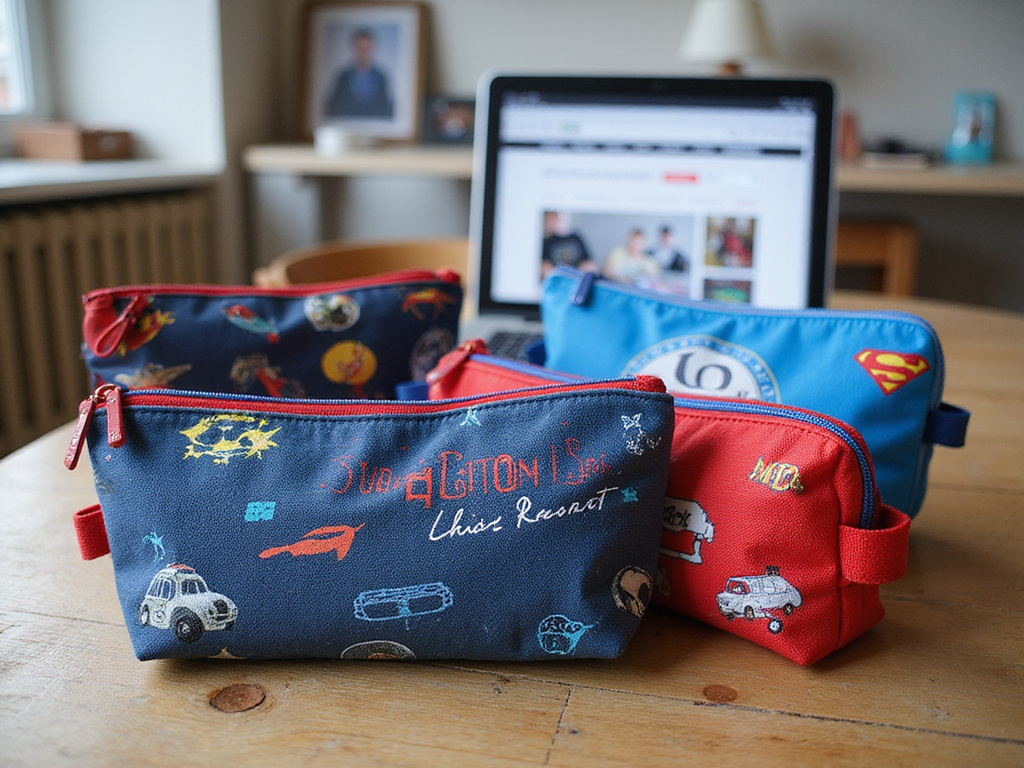
The Ultimate Guide to Pencil Case Pouches for Boys: Everything You Need to Know Before Purchasing
Every school year brings the excitement of new supplies, and at the center of those supplies is the humble yet essential pencil case. For boys heading back to class, having the right pencil case pouch isn’t just about storage—it’s about organization, self-expression, and practicality. With countless options available in stores and online, finding the perfect pencil case that balances durability, functionality, and style can be overwhelming for parents and students alike. This comprehensive guide will walk you through everything you need to know about selecting, organizing, and maximizing the use of pencil case pouches specifically designed for boys, ensuring that your purchase decision is well-informed and tailored to your needs.
Why the Right Pencil Case Pouch Matters for Boys
Pencil cases might seem like a simple school supply, but they serve multiple crucial functions in a student’s daily life. For boys, who often have different preferences and usage patterns than girls, selecting the right pencil case pouch can significantly impact their school experience. A well-chosen pencil case doesn’t just keep supplies organized—it prevents damage to both the supplies themselves and other items in a backpack, saves valuable time during class transitions, and can even boost confidence and self-expression through personal style choices.
Studies have shown that organizational tools like pencil cases can help students develop better organizational habits overall. For boys who may be more prone to losing or damaging school supplies, a sturdy, well-designed pencil case becomes even more important. Furthermore, having the right pencil case means boys are less likely to be caught without essential tools during tests or important assignments, reducing school-related stress and improving academic performance.
Beyond the practical advantages, pencil cases also serve as an opportunity for self-expression. For many boys, their pencil case is one of the few school supplies they can personalize to reflect their interests, whether that’s sports, superheroes, gaming, or more subtle designs that showcase their emerging personal style. This aspect of identity expression shouldn’t be overlooked when making a purchase decision.
Key Features to Look for in Boys’ Pencil Case Pouches
Durability and Material Considerations
When it comes to pencil cases for boys, durability should be at the top of your priority list. Various materials offer different advantages, and understanding these differences can help you make a better choice based on your child’s specific needs and habits.
Hard Plastic Cases: These provide superior protection against crushing and are ideal for boys who tend to toss their backpacks around or have heavy textbooks that might squash softer cases. Hard cases also prevent damage from friction rubbing inside backpacks and protect fragile items like mechanical pencils or specialty pens. The rigid structure helps maintain organization as supplies stay in their designated spots even when jostled. However, they can be bulkier and less flexible in terms of storage space.
Canvas and Fabric Pouches: These cases offer flexibility and can often accommodate more items or oddly shaped supplies. Many boys prefer these for their comfort and customizable appearance. Quality fabric cases with reinforced stitching can be surprisingly durable while remaining lightweight. Look for water-resistant fabrics if spills are a concern. Some premium fabric cases even feature protective padding to safeguard contents without the rigidity of hard cases.
Silicone and Rubber Cases: These modern options combine durability with flexibility and are often highly resistant to water, making them ideal for art supplies or science classes where spills might occur. They’re also typically easy to clean—a definite plus for many parents dealing with ink stains or pencil shavings. Many silicone cases come in bright colors and unique designs that appeal to boys.
Organizational Features and Compartments
The internal organization of a pencil case can significantly impact its functionality. For boys especially, who may not naturally prioritize neatness, having designated spaces for different supplies can make a huge difference.
Multi-compartment designs help keep supplies separated and easy to find. This feature is particularly valuable for boys who take multiple subjects requiring different tools or who participate in activities like art or drafting that use specialized supplies. Look for cases with elastic holders for pencils and pens to prevent them from rattling around and potentially breaking. Some premium cases include removable dividers for customizable organization.
External pockets can be useful for items that need quick access, like erasers or pencil sharpeners. These separate compartments also help keep messy items (like sharpeners with shavings) away from clean supplies.
Mesh windows on some compartments allow for visibility of contents without opening the case, which can be a time-saver during busy class transitions. Consider whether your child would benefit from being able to see what’s inside without having to open multiple compartments.
When evaluating organizational features, consider your son’s specific needs. Does he need to carry a lot of colored pencils for art class? Does he use specialty items like a compass or protractor for math? Is he prone to losing small items like erasers? The answers to these questions can guide you toward the most suitable organizational structure.
Size and Capacity Considerations
Finding the right balance between capacity and portability is essential when selecting a pencil case pouch for boys. A case that’s too small will limit what can be carried, potentially leaving your child without necessary supplies. Conversely, a case that’s too large may become cumbersome and take up unnecessary space in an already packed backpack.
For elementary school boys, a medium-sized case that can hold the basics—pencils, erasers, a small ruler, and perhaps a few colored pencils—is usually sufficient. As boys move into middle and high school, their supply needs typically expand to include more pens, highlighters, specialized writing tools, and potentially calculators or small geometry tools. At this stage, a larger case with better organization becomes more valuable.
Consider the physical dimensions carefully in relation to your child’s backpack and desk space. Some classrooms have limited desk area, making enormous pencil cases impractical. Similarly, if the backpack has built-in pencil holders or small pockets, you might opt for a supplementary case rather than a comprehensive one.
It’s also worth considering whether the pencil case needs to accommodate items beyond traditional writing implements. Some boys use their cases to store small tech accessories like USB drives, earbuds, or calculator batteries. For these expanded needs, look for cases with slightly larger dimensions or flexible materials that can expand when needed.
Popular Styles and Designs for Boys
Age-Appropriate Design Choices
The visual appeal of a pencil case matters to most boys, but preferences change dramatically with age. Understanding these shifts can help you select a case your son will actually want to use rather than leaving in his locker or at home.
For younger elementary school boys (ages 5-8), themed pencil cases featuring characters from popular shows, movies, or games are typically big hits. Superheroes, action figures, and animated characters tend to dominate this age group’s preferences. Bright colors and playful designs with visual elements like race cars, dinosaurs, or space themes also perform well. At this age, boys are usually eager to show off their pencil cases and often view them as extensions of their play interests.
As boys enter upper elementary and early middle school (ages 9-12), many begin transitioning away from character-based designs toward more “cool” aesthetics. Sports team logos, gaming references, or cases with tech-inspired designs often become preferred choices. Bold graphic prints, camouflage patterns, and designs that incorporate their favorite hobbies like skateboarding or BMX can be popular options that feel more mature while still reflecting personal interests.
For teens and high school boys (ages 13+), the pendulum often swings toward either minimalist designs or highly personalized options. Many teenage boys prefer sleek, understated cases in neutral colors like black, navy, or gray that don’t call attention to themselves. Alternatively, some express their individuality through unique designs, artistic patterns, or cases that showcase specific interests in more sophisticated ways. Brands also begin to matter more, with some teens preferring cases from popular lifestyle or sportswear brands.
Regardless of age, involving your son in the selection process increases the likelihood that he’ll actually use and take care of the pencil case. If shopping online, narrow down options to those meeting your criteria for durability and functionality, then let him choose from those appropriate selections.
Trending Themes and Characters
Keeping up with current trends can be challenging for parents, but understanding what’s popular can help guide your pencil case purchase decision. While individual preferences vary, certain themes consistently appeal to boys across different age groups.
Gaming-inspired designs remain extremely popular across all age groups. Cases featuring imagery from games like Minecraft, Fortnite, Roblox, or Among Us often resonate strongly with boys. For older teens, more subtle gaming references or cases that resemble gaming equipment (with LED accents or tech-inspired designs) might be preferred over obvious character representations.
Sports themes never go out of style for many boys. Cases featuring professional team logos, sports equipment graphics, or designs that mimic the textures of basketballs, footballs, or soccer balls appeal to athletically-inclined boys. Some premium cases even incorporate actual sports materials, like cases made from authentic baseball glove leather or basketball rubber.
Science and technology themes have gained significant traction in recent years. Space exploration, robotics, coding symbols, and futuristic tech designs appeal to STEM-oriented boys. These designs often feature elements like circuit board patterns, astronomical imagery, or scientific diagrams integrated into the case design.
Vehicle and transportation themes remain consistently popular, particularly among elementary and middle school boys. Beyond just cars, designs featuring planes, rockets, submarines, or construction equipment appeal to boys fascinated by how things work and move. Some novelty cases are even shaped like vehicles, though these should be evaluated carefully for practicality.
When considering themed designs, think about your son’s long-term interest in the subject matter. While a case featuring a currently trending game or character might be exciting initially, consider whether that interest might fade before the school year ends. For boys with established, consistent interests, themed cases can be great choices. For those whose preferences change frequently, more versatile designs might be better investments.
Balancing Style with Practicality
The perfect pencil case strikes a balance between visual appeal and functional design. A case that looks fantastic but fails to perform its basic function ultimately becomes a source of frustration rather than enjoyment. When evaluating stylish pencil case options for boys, consider these practical factors alongside aesthetic preferences:
Ease of cleaning is particularly important for boys’ pencil cases, which tend to accumulate pencil shavings, eraser residue, and ink marks. Dark colors and patterns can hide stains better than light colors, but some materials are inherently easier to clean regardless of color. Plastic, vinyl, and certain treated fabrics can be wiped clean, while standard canvas or cotton cases might require washing, which can be inconvenient during the school year.
Zipper quality dramatically affects a case’s lifespan and usability. Examine zipper construction carefully—look for metal zippers with sturdy teeth and smooth action for cases that will see heavy use. For younger boys who might struggle with complicated closures, consider cases with wide-track zippers or alternative closures like magnetic snaps or velcro, which can be easier to manage.
Weight becomes increasingly important as school backpacks grow heavier with textbooks and technology. While sturdy protection is important, unnecessarily heavy pencil cases add to the burden boys carry daily. For students already managing heavy course loads, lightweight cases with thoughtful protection rather than overall bulk may be preferable.
Visibility in dark backpacks can save time and frustration. Cases in bright colors or with reflective elements are easier to locate inside crowded, often dark backpack interiors. Some boys might prefer subtle exterior designs but appreciate bright interior fabric that makes it easier to find small items within the case itself.
Remember that a pencil case that perfectly balances style and practicality is more likely to be used consistently rather than abandoned mid-year. Involving your son in evaluating these practical aspects alongside style choices creates a valuable opportunity to teach decision-making skills that balance desires with practical needs—a lesson that extends well beyond school supplies.
Budget-Friendly vs. Premium Options
Understanding Price Points and Value
Pencil case pouches for boys are available across a wide price spectrum, from basic dollar store options to premium brands costing $30 or more. Understanding what drives these price differences and identifying where value truly lies can help you make a purchase that balances quality with reasonable cost.
At the budget end ($1-$5), cases typically feature simple designs, basic materials like thin polyester or PVC, and minimal organizational features. These cases can certainly be functional for boys who are careful with their belongings or for situations where loss is likely (such as younger elementary students who frequently misplace items). Budget cases might be perfectly adequate for storing a few pencils and an eraser but may not stand up to rough handling or accommodate specialized supplies.
In the mid-range ($6-$15), you’ll find significantly better quality materials, more thoughtful organizational features, and stronger closures. These cases typically represent the best value for most boys, offering a combination of durability and functionality that should last through the school year with proper care. At this price point, you can expect reinforced stitching on fabric cases, reliable zippers, and at least some internal organization.
Premium options ($15+) offer enhanced durability, sophisticated organization systems, and often come with warranties or guarantees. These cases frequently use water-resistant materials, have padded protection for delicate items, and feature thoughtfully designed compartments for specific supplies. For older students with expensive supplies (like drafting tools or specialized art pens) or for those who are particularly hard on their belongings, the investment in a premium case can actually save money over time by better protecting the contents and lasting multiple school years.
When evaluating value, consider the cost per use rather than just the upfront price. A $20 case that lasts two full school years may ultimately be less expensive than replacing multiple $5 cases that wear out quickly. Similarly, if a slightly more expensive case prevents damage to the supplies inside—particularly if those supplies are costly—the higher initial investment may represent better overall value.
When to Splurge and When to Save
Making wise decisions about when to invest more in a pencil case pouch and when a budget option will suffice depends largely on your child’s specific situation. Consider these factors when deciding whether to splurge or save:
Splurge considerations:
- Age and responsibility level: As boys get older and become more responsible with their belongings, investing in higher-quality cases makes more sense. Middle and high school students who understand the value of taking care of their possessions are more likely to benefit from premium features.
- Special needs or supplies: If your son requires specialized tools for courses like art, drafting, or advanced mathematics, a case with dedicated protection and organization for these items justifies additional cost.
- Physical activity level: For very active boys whose backpacks take a daily beating—athletes who transport supplies between practice and class, for instance—enhanced durability from premium cases provides meaningful protection.
- Environmental considerations: For environmentally conscious families, investing in one high-quality, long-lasting case may align better with values than repeatedly purchasing disposable options.
Save opportunities:
- Rapidly changing interests: For younger boys whose favorite characters or themes change frequently, budget-friendly options allow for seasonal or annual updates without significant investment.
- History of loss: If your child has a strong pattern of losing school supplies, starting with more affordable options makes sense until responsible habits develop.
- Simple supply needs: Boys who only need to carry basic writing implements may not benefit from the advanced organizational features of premium cases.
- Multiple specific-use cases: Sometimes having several inexpensive, dedicated cases (one for art supplies, one for daily writing tools, etc.) works better than a single expensive all-purpose case.
A balanced approach often works best for many families. Consider investing in moderate quality for the primary, everyday pencil case while using budget options for specialized or seasonal needs. Keep in mind that sales, particularly during back-to-school seasons, can make premium options more affordable, potentially offering the best of both worlds.
Where to Find the Best Deals
Finding quality pencil cases at reasonable prices requires knowing when and where to shop. With a strategic approach, you can secure excellent value without compromising on the features that matter most for your son’s needs.
Timing your purchase can significantly impact the price you’ll pay. Back-to-school sales typically begin in late July and run through early September, offering some of the best prices of the year. However, if you can wait until mid-September, many retailers deeply discount remaining school supplies to clear inventory. January is another excellent time to find deals, as many stores offer “back-to-school refresher” sales for second-semester supplies. For premium brands, end-of-season clearances when retailers introduce new designs can yield significant savings on high-quality cases.
Physical retail locations offer the advantage of hands-on evaluation but vary widely in value. Target and Walmart typically offer good middle-ground options with reasonable quality at accessible prices, particularly their house brands. Office supply stores like Staples and Office Depot frequently run promotions on pencil cases but generally have higher regular prices. Discount stores like Five Below, Dollar Tree, and Dollar General offer budget-friendly options that may work well for younger children or as backup cases. For unique, high-quality options, check craft stores like Michael’s or Joann Fabrics, which often carry specialized art supply cases that work well for school.
Online shopping expands your options significantly and often provides the best overall value. Amazon offers perhaps the widest selection across all price points, with the added benefit of detailed customer reviews to evaluate durability and functionality. For budget-conscious shoppers, sites like AliExpress and Wish offer extremely affordable options, though shipping times can be lengthy and quality may be inconsistent. For unique designs, Etsy showcases handcrafted pencil cases made by independent creators—these may cost more but often feature superior craftsmanship and completely unique designs that stand out.
Warehouse clubs like Costco and Sam’s Club typically offer high-quality pencil cases in bulk packages during back-to-school season. While you may get multiple cases rather than just one, the per-unit cost is often excellent, and these can be shared with siblings or kept as replacements.
Don’t overlook secondhand options for premium brands. Local parent swap groups, Facebook Marketplace, and thrift stores occasionally feature high-end pencil cases in great condition at significant discounts. This approach works particularly well for classic designs from quality brands that maintain their functionality over time.
Before making any purchase, compare prices across multiple retailers and check for available coupons or cashback opportunities through apps like Rakuten or Ibotta. Many stores also price-match competitors, allowing you to get the best price while shopping at your preferred retailer.
Organization Tips and Essentials for Boys’ Pencil Cases
Must-Have Supplies for Different Age Groups
The contents of a well-stocked pencil case should evolve as boys progress through school. Understanding the essential supplies for each age group helps ensure your son has exactly what he needs without unnecessary bulk or missing items.
For elementary school boys (Grades K-5), focus on the basics with some consideration for developing fine motor skills:
- 3-5 #2 pencils (larger triangular pencils for K-2 to support proper grip)
- A large eraser plus 2-3 pencil-top erasers
- Age-appropriate scissors (blunt for younger, pointed for older)
- Glue stick
- Crayons or colored pencils (12-24 count, depending on grade level)
- Small pencil sharpener with case for shavings
- 6-inch ruler
- Highlighter (upper elementary only)
For middle school boys (Grades 6-8), expand to include more specialized writing tools:
- 3-5 mechanical pencils with extra lead
- 2-3 ballpoint pens (blue or black)
- 1-2 red pens for corrections
- Set of highlighters (at least yellow, pink, and blue)
- Quality eraser
- Small pencil sharpener (if using traditional pencils)
- Small ruler or measuring tool
- Correction tape (preferred over fluid for neatness)
- Thin colored markers or fineliner pens for projects
- Small sticky notes
For high school boys (Grades 9-12), focus on efficiency and specialized needs:
- 2-3 quality mechanical pencils with lead appropriate for subject (0.5mm for detailed work, 0.7mm for general use)
- Set of reliable pens (including black, blue, and red)
- Multiple highlighters in different colors for advanced color-coding
- Correction materials (tape or pen-style corrector)
- Mini stapler or paper clips
- USB drive (if devices are used for schoolwork)
- Subject-specific tools as needed (compass, protractor for geometry, special pens for art)
- Specialized erasers (kneaded erasers for art, precision erasers for detailed work)
- Small post-it flags for marking textbook pages
Regardless of age, consider including a personal item that might be useful during the school day—a small pack of tissues, hand sanitizer (if school-approved), or a reusable cleaning cloth for glasses or device screens. These thoughtful additions can make a pencil case more than just a supply holder but a practical support throughout the school day.
When selecting specific items, consider quality over quantity, especially for older students. One reliable mechanical pencil will serve better than several that jam or break easily. Similarly, pens that flow smoothly without skipping or bleeding support better note-taking and reduce frustration.
Effective Organization Strategies
Even with the perfect pencil case and appropriate supplies, maintaining organization remains a challenge for many boys. Implementing effective organizational strategies from the start can help establish habits that keep supplies accessible and in good condition throughout the school year.
Initial setup matters significantly. Before the school year begins, help your son organize his new pencil case with intentional placement rather than simply stuffing everything inside. Demonstrate how items should be arranged for maximum efficiency—frequently used items should be most accessible, while those needed only occasionally can go in secondary compartments. For cases with elastic holders, show how to properly secure items to prevent damage and loss.
Color-coding systems can dramatically improve organization for boys, particularly those who are visual learners or have attention challenges. Consider implementing a simple color system where supplies for different subjects share a color theme—blue pens and highlighters for English, green for science, etc. This makes grabbing the right tools for each class quicker and helps items return to their proper places afterward. Some parents find that applying small colored dots or markers to items helps maintain the system even when the original packaging is gone.
Regular maintenance routines prevent the common mid-year descent into chaos. Establish a weekly pencil case check—perhaps Sunday evenings before the school week begins—when your son reviews his supplies, sharpens pencils, replaces used-up items, and reorganizes as needed. As he demonstrates responsibility with this routine, gradually transition from doing it with him to simply reminding him, and eventually to full independence with the process.
Storage solutions within the case can maximize organization even in basic pouches. Small binder clips can keep cords tidy, miniature binder pouches can contain tiny loose items like erasers, and repurposed mint tins make excellent containers for paper clips or thumbtacks. For cases without built-in organization, consider adding elastic bands secured with strong adhesive to create improvised pen and pencil holders.
For boys who struggle with keeping their supplies organized, simplified systems often work better than complex ones. Rather than attempting perfect organization of numerous supplies, focus first on the most critical distinction—keeping writing implements separate from things that could damage them (like scissors or sharpeners). As organizational skills develop, more sophisticated arrangements can be introduced gradually.
Remember that organization systems need to make sense to your son, not just to you. Involve him in designing the organizational approach so he understands the logic and feels ownership of the system, increasing the likelihood he’ll maintain it when you’re not there to remind him.
Creative Uses Beyond School Supplies
Pencil case pouches can serve many functions beyond simply holding traditional school supplies. Understanding these versatile applications can help boys get more value from their cases and potentially solve other organizational challenges in their daily lives.
Tech accessory management is a popular alternative use for pencil cases, particularly among older boys. A well-designed pencil case can perfectly store and protect earbuds, charging cables, adapters, and portable devices like USB drives or small power banks. The padded protection and organization of quality pencil cases often works better for these items than generic tech pouches, especially for boys who need both school supplies and tech accessories throughout their day.
Gaming supply organization presents another practical application. Boys who enjoy gaming can use pencil cases to store gaming accessories like controller cables, extra buttons, small tools for repairs, or collectible gaming items. For portable gaming systems, a sturdy pencil case can provide better protection than basic sleeves while offering space for game cartridges and accessories.
Outdoor and sports applications extend the utility of pencil cases beyond the classroom. Water-resistant pencil cases make excellent containers for small first aid supplies during outdoor activities. They can also store sports-specific items like golf tees, tennis overgrips, or swimming ear plugs and nose clips. The compact size fits easily in sports bags while keeping small items from disappearing in larger compartments.
Travel solutions represent yet another valuable use. During family trips, pencil cases can serve as compact activity kits containing travel games, small notepads, and entertainment supplies to prevent boredom during transit. They’re also excellent for organizing travel documents, foreign currency, or medications that need to be easily accessible but secure while traveling.
Creative hobby support is perhaps the most natural alternative application. Boys interested in art can transform a pencil case into a portable sketching kit with specialized drawing pencils, blending stumps, and erasers. Those enjoying model building can use compartmentalized cases to organize tiny parts and specialized tools. For young collectors, pencil cases provide perfect storage for items like special coins, trading cards, or small specimens like rocks or shells.
The versatility of pencil cases means that investing in a quality option may serve your son well beyond just school applications. When selecting a case, consider these potential alternative uses to ensure the design accommodates both current needs and possible future applications.
Maintenance and Longevity Tips
Cleaning and Care Instructions
Proper maintenance significantly extends the lifespan of a pencil case while keeping contents clean and usable. Different materials require specific care approaches to maintain appearance and functionality throughout the school year and beyond.
For fabric and canvas cases: Regular cleaning prevents buildup of pencil dust, eraser residue, and ink that can permanently stain these materials. Most fabric cases can be hand-washed with mild soap and cool water, but always check manufacturer instructions first. For spot cleaning, a soft toothbrush with gentle soap works well for targeted stain removal without soaking the entire case. Always ensure fabric cases are completely dry before returning supplies to prevent mold or mildew development—stuff with paper towels and allow 24-48 hours of air drying for best results.
For plastic and vinyl cases: These materials typically require simpler maintenance but can crack or discolor without proper care. Wipe down regularly with antibacterial wipes or a damp cloth with mild soap to remove grime and disinfect surfaces. Avoid harsh chemicals like bleach or ammonia which can degrade plastic and cause yellowing or brittleness over time. For transparent plastic cases that have become cloudy, a gentle polish with a paste made from baking soda and water can restore clarity.
For specialty materials like silicone or metal components: Silicone can attract dust due to static, so regular wiping with a slightly damp microfiber cloth helps maintain appearance. For metal zippers or embellishments that show tarnish or corrosion, a cotton swab dipped in white vinegar can remove buildup—just be careful not to get vinegar on fabric parts as it may discolor some materials.
Managing pencil dust and debris: This universal challenge affects all pencil case types. Establish a weekly routine of emptying the case completely and either gently shaking debris into a trash can or, for more thorough cleaning, using a small vacuum attachment to remove embedded dust. For cases with many small compartments, compressed air (the kind used for electronics) can blast debris from hard-to-reach corners.
Preventing common damage: Encourage habits that prevent damage in the first place. Remind your son to cap pens and markers tightly to prevent drying and leaking, keep pencils sharpened to reduce breakage risk, and never force the case closed when too full. For cases with zippers, demonstrate proper zipper usage—pulling straight rather than at angles—to prevent teeth separation.
Consider keeping a small “maintenance kit” with the supplies needed to address common issues: a stain remover pen for fabric cases, a small tube of zipper lubricant (wax or specialized product) for sticky zippers, and appropriate adhesive for repairing minor tears or loose components before they become major problems.
Extending the Life of School Supplies Inside
Beyond maintaining the pencil case itself, proper storage and handling of supplies inside the case significantly affects both the longevity of those items and their effectiveness for schoolwork. Implementing smart storage strategies can reduce waste, save money, and ensure your son always has functional supplies available.
Writing implement protection should be a priority, as these are typically the most frequently used and easily damaged supplies. For wooden pencils, consider using pencil caps that protect both the sharpened tips and prevent the wood from splintering in the case. Store mechanical pencils with the lead retracted to prevent breakage and mechanism jamming. For pens, always store with caps secured or tips retracted, and position them so pressure from other items won’t damage the tips or cause leakage.
Marker and highlighter longevity depends largely on proper storage. Always store these items horizontally rather than vertically, which keeps ink distributed evenly within the reservoir rather than pooling at one end. This simple positioning change can double the useful life of many markers. For long-term storage (like over summer break), consider placing markers and highlighters in sealable plastic bags to prevent evaporation of volatile components.
Eraser care often gets overlooked, but proper storage prevents hardening and crumbling. Keep erasers away from direct sunlight, which can cause deterioration, and store them separately from pencil shavings, which can embed in the eraser surface and actually cause more smudging than erasing. For specialized erasers like kneaded types used in art, small plastic containers within the pencil case prevent them from picking up debris or drying out.
Small tool maintenance ensures consistent performance. Items like scissors and compasses benefit from occasional oiling at the hinge points with a tiny drop of mineral oil. For precision instruments, consider creating small protective sleeves from index cards or thin cardboard to prevent points from being damaged or damaging other items. Small sharpeners should be emptied regularly to prevent buildup that can dull the blade or cause jamming.
Digital accessory protection becomes increasingly important as more students include tech items in their pencil cases. USB drives should ideally have their connectors protected by caps or retractable designs. Earbuds should be properly coiled without sharp bends that can damage internal wires. Consider adding a small silica gel packet (saved from product packaging) to absorb moisture that could damage electronic components, particularly if the pencil case moves between different temperature environments frequently.
Teaching boys these maintenance habits does more than just extend the life of supplies—it cultivates responsibility, attention to detail, and resource conservation that serves them well beyond school years.
Dealing with Common Pencil Case Problems
Even the best pencil cases eventually encounter issues, but knowing how to address common problems can prevent minor inconveniences from becoming reasons to replace the entire case. Equipping your son with troubleshooting knowledge empowers him to maintain his supplies independently.
Stuck or broken zippers rank among the most frequent pencil case failures. For zippers that stick but aren’t damaged, rubbing the teeth gently with a pencil (graphite acts as a lubricant) often restores smooth operation. For zippers that have separated (where the two sides no longer mesh properly), slowly guiding the zipper back and forth over the separated section while holding the fabric taut often realigns the teeth. If a zipper pull breaks off but the slider remains functional, a paperclip or small keyring can serve as a temporary replacement until a permanent repair is possible.
Torn fabric or splitting seams doesn’t necessarily mean replacement is needed. For minor tears in fabric cases, clear nail polish can prevent further fraying until a proper repair is possible. For more substantial damage, fabric glue works well for most materials and dries flexible unlike standard craft glues. Parents can help with simple stitch repairs for split seams—even basic hand sewing can significantly extend a case’s useful life when applied promptly before damage worsens.
Ink stains and leakage create both aesthetic and practical problems. For fresh ink on fabric cases, blotting (not rubbing) with alcohol-based hand sanitizer often removes or reduces staining before it sets. For plastic case interiors, Mr. Clean Magic Erasers work surprisingly well on ink without damaging most plastic surfaces. To prevent recurring issues after a leak, create small absorbent pads from folded paper towels to place in compartments where pens and markers are stored—these catch minor leaks before they spread and can be replaced easily.
Structural failures like cracked plastic or broken hinges require more substantial intervention. For plastic cases with clean breaks (not shattered sections), plastic cement or epoxy designed for the specific type of plastic can create durable repairs. For hinge problems on hard cases, reinforcement with strong fabric tape (like duct tape or Gorilla tape) on the inside of the case can provide continued functionality even when the original hinge is compromised.
Odor development becomes problematic particularly in cases used for art supplies or those that have experienced food spills. Beyond basic cleaning, activated charcoal pouches or baking soda packets can absorb persistent odors—just place them in the empty case for 24-48 hours. For fabric cases with persistent smells, adding a few drops of essential oil (many boys prefer citrus or mint scents) to a cotton ball and storing it in the case overnight can replace unpleasant odors with more appealing scents.
Encourage a problem-solving approach to pencil case issues rather than immediate replacement. This develops resourcefulness and reduces waste, while teaching valuable skills that apply to maintaining other possessions.
Personalizing and Customizing Options
DIY Customization Ideas
Personalizing a pencil case transforms it from a basic supply holder into a unique expression of personality and interests. For boys who enjoy hands-on projects, customizing their pencil cases can be both a creative outlet and a way to create a one-of-a-kind item that stands out from mass-produced options.
Surface decorations offer the simplest customization approach. Fabric markers work well on canvas or cloth cases, allowing for detailed drawings or text without special equipment. For plastic or vinyl cases, permanent markers designed for non-porous surfaces provide long-lasting customization. Stickers and decals remain perennially popular—consider purchasing sheets of small stickers rather than large single designs to give more flexibility in creating unique arrangements.
Patch and badge applications create texture and dimension. Iron-on patches featuring sports logos, gaming references, or hobby themes can transform basic cases into personalized accessories. For boys who participate in scouting or earn achievement badges in other activities, showcasing these accomplishments on their pencil case creates a meaningful connection between academic tools and personal achievements.
Hardware modifications can add both style and functionality. Replacing standard zipper pulls with unique charms, paracord pulls, or miniature carabiners adds personality while potentially making zippers easier to operate. Adding small external D-rings or clips allows for attaching the case to backpacks or belt loops for quick access. Some boys enjoy adding practical upgrades like small LED lights (attachable book lights repurposed for pencil cases) to help find items in dark backpacks.
Internal customization improves functionality while reflecting personal organizational preferences. Creating custom dividers from cardstock reinforced with duct tape allows for perfectly sized compartments. Adding elastic bands with a few simple stitches creates secure holders for specific tools. For tech-oriented boys, incorporating cable organizers or small padded sections protects electronic accessories.
Complete transformations appeal to boys who enjoy more ambitious projects. Plain pencil cases can be covered with new fabric using basic hand-sewing skills or strong fabric adhesive. Hard plastic cases can be wrapped with carbon fiber vinyl or other specialty materials for a high-tech appearance. Some creative boys even repurpose small toolboxes, ammunition cases, or other unexpected containers into unique supply carriers with distinct advantages over conventional pencil cases.
When planning customization projects, focus on modifications that won’t interfere with the case’s primary function. Decorations should avoid zipper tracks or closing mechanisms, and added features shouldn’t create internal protrusions that could damage supplies. Supervise younger boys during customization to ensure that permanent modifications like marker designs or adhesive applications meet both their current aesthetic preferences and school-appropriate standards.
Name Labels and Identification Solutions
Proper identification is essential for preventing pencil case loss and facilitating recovery when cases are misplaced. For boys, who statistically experience higher rates of lost school supplies than girls, effective labeling solutions can save both money and frustration throughout the school year.
Basic identification approaches include writing the owner’s name in permanent marker on interior surfaces or attached labels. For maximum effectiveness, include both name and additional contact information like a parent’s phone number or email address (for older students). Place this information in multiple locations—both visible externally and hidden internally—to increase recovery chances if external identification is removed or wears off.
School-appropriate identification balances safety concerns with effective recovery options. For younger children, many schools recommend using only first names and teacher names/room numbers rather than full identification, which aligns with safety protocols while still enabling return of lost items. For middle and high school students, consider using only last initial with first name to maintain some privacy while ensuring the case can be identified among similarly named students.
Durable labeling options withstand the wear and handling typical of school environments. Fabric cases benefit from sewn-in name tapes (similar to those used for camp clothing) that resist washing and rough handling. For plastic cases, engraving tools create permanent identification that can’t be removed without visible damage. Specialized labeling products like ID bands designed for luggage can be attached securely to zipper pulls or handles and withstand significant abuse.
Technology-enhanced identification offers advanced recovery options for older boys with valuable supplies. QR code tags that link to contact information (through services specifically designed for lost item recovery) provide an easy way for finders to return items without displaying personal information publicly. Some families utilize Bluetooth tracking devices (like Tile or Apple AirTag) discretely attached to expensive pencil cases containing valuable art supplies or specialized tools, though school policies regarding such devices should be verified before implementation.
Distinctive visual identification helps boys quickly recognize their own cases in classroom settings where similar products are common. Adding unique zipper pulls, distinctive patches, or personal color coding with electrical tape or duct tape strips creates visual identification that works even from a distance. This can prevent accidental case swapping during busy class transitions and helps teachers quickly identify ownership during clean-up times.
When implementing identification solutions, involve your son in both the decision-making and application process. This investment in personalization increases the likelihood he’ll notice if the case is missing and take action to recover it rather than simply adapting to its absence.
Interactive and Multi-functional Features
Innovative pencil case designs now incorporate interactive and multi-functional elements that particularly appeal to boys who appreciate technology integration and versatile tools. These advanced features transform pencil cases from passive storage containers into active tools that enhance the learning experience.
Solar charging capabilities represent one of the most practical technological integrations. Some premium pencil cases now incorporate flexible solar panels that generate power to charge small devices like phones or calculators. These cases typically include built-in battery storage and USB ports, allowing energy collection during outdoor activities or classroom time near windows for later device charging. For tech-oriented boys, these cases provide both practical power solutions and opportunities to understand renewable energy applications.
Built-in calculator functionality eliminates the need to carry a separate device for mathematical calculations. Some innovative cases integrate calculator displays and controls directly into the case exterior, while others include removable calculator units that dock securely with the case when not in use. This integration reduces the number of separate items to track and ensures calculation tools are always available with writing supplies.
Whiteboard and planning surfaces transform cases into interactive study tools. Cases with exterior whiteboard panels allow for quick note-taking, formula review, or schedule tracking without consuming paper. Some designs include dedicated sections with printed planning templates for tracking assignments or project deadlines. The combination of writing implements and surfaces in one package creates opportunities for spontaneous brainstorming or concept visualization.
Integrated measurement tools serve both practical needs and educational applications. Cases with built-in rulers along edges eliminate the need for separate measuring devices. More advanced designs might include protractors, compass functionality, or even flexible measuring tapes that extend from and retract into the case body. These features are particularly valuable for math and science courses where measurement tasks occur frequently.
Modular and reconfigurable designs adapt to changing needs throughout the academic year. Some innovative cases feature detachable sections that can be used independently or combined in different configurations. This allows boys to carry only what’s needed for specific classes rather than their entire supply collection. Magnetic or interlocking components create secure connections while maintaining flexibility for different arrangements.
Integrated lighting systems serve practical purposes beyond just locating items in dark backpacks. Strategic LED placement can illuminate workspaces in poorly lit classrooms or during power outages. Some designs incorporate reading lights that can be detached from the case and attached to books or notebooks, creating portable illumination for studying in various environments.
When considering these advanced features, evaluate whether they align with your son’s specific needs and learning habits rather than being merely novelties. The most valuable interactive features are those that address actual challenges he encounters in his educational journey and complement his learning style.
Environmental and Sustainable Options
Eco-Friendly Materials and Manufacturing
As environmental awareness grows, many families prioritize sustainable options when purchasing school supplies, including pencil cases. Understanding the environmental impact of different materials and manufacturing approaches empowers more eco-conscious purchasing decisions for boys’ pencil cases.
Plant-based and biodegradable materials represent the leading edge of sustainable pencil case construction. Cases made from cork provide natural water resistance and durability while being both renewable and biodegradable. Hemp canvas offers exceptional strength with minimal environmental impact during cultivation. Some manufacturers now produce cases using cactus leather or pineapple leaf fiber (Piñatex), which provide leather-like durability and appearance without animal products or the chemical processing traditional leather requires.
Recycled and upcycled options prevent waste while creating functional products. Cases made from recycled PET (from plastic bottles) give new purpose to materials that might otherwise enter waterways or landfills. Particularly appealing to many boys are cases made from recycled wetsuits, bike inner tubes, or climbing ropes, which combine environmental benefits with connections to active outdoor pursuits. Some companies even create pencil cases from reclaimed fire hoses or upcycled airbags, providing exceptional durability with industrial aesthetics many boys appreciate.
Manufacturing ethics impact environmental footprint beyond just materials. Companies committed to sustainable practices typically employ water conservation techniques, renewable energy in production facilities, and minimal packaging using recycled or biodegradable materials. Some manufacturers provide transparency through environmental impact reports or certifications from independent organizations verifying sustainable practices.
Local production reduces transportation emissions while often ensuring better labor practices. Pencil cases produced closer to where they’re sold typically have smaller carbon footprints than identical products shipped internationally. Many regionally produced cases also feature designs celebrating local culture or environments, creating meaningful connections between educational tools and community identity.
Longevity as sustainability recognizes that the most environmentally friendly product is often one that doesn’t need frequent replacement. High-quality cases designed for repair rather than disposal represent sustainable choices even when made from conventional materials. Features like replaceable components, serviceable zippers, and construction that facilitates maintenance significantly reduce lifetime environmental impact compared to disposable alternatives.
When evaluating environmental claims, look beyond marketing terminology to understand specific practices and materials. Terms like “eco-friendly” and “green” lack standardized definitions, while specific details about recycled content percentages, biodegradability certifications, or manufacturing process improvements provide more meaningful information about actual environmental benefits.
Brands Committed to Sustainability
Several manufacturers have made significant commitments to sustainability while creating pencil cases that appeal specifically to boys’ preferences for durability, functionality, and age-appropriate design. These brands offer options that align environmental values with practical school supply needs.
Fjällräven, known primarily for their iconic backpacks, produces pencil cases using their G-1000 fabric—a blend of recycled polyester and organic cotton with impressive durability. Their Kånken Pen Case appeals to boys with its minimalist Scandinavian design and comes in colors ranging from subtle earth tones to vibrant options. The company maintains transparent supply chains and implements environmental responsibility through their Arctic Fox Initiative, which funds projects protecting environment and inspiring outdoor activity.
Parkland creates pencil cases made from 100% recycled water bottles, preventing plastic waste while producing durable school supplies. Their designs typically feature bold patterns and colors that appeal to boys across age groups, from elementary school through high school. The company’s commitment extends to their manufacturing facilities, which implement water conservation and ethical labor practices.
Cotopaxi produces their distinctive Del Día pencil pouches using fabric scraps from other manufacturing processes that would otherwise become waste. Each case features a one-of-a-kind color combination, as factory workers are given creative control over color selection. This approach particularly appeals to middle and high school boys seeking unique items that stand out from mass-produced options. The company operates as a certified B Corporation, meeting rigorous standards of social and environmental performance.
Northface offers pencil cases and accessory pouches made with recycled materials as part of their Renewed program. These items often incorporate technical fabrics with performance features like water resistance and durability that appeal to active boys. Their production emphasizes repurposing materials from returned or damaged products, creating circular systems that reduce overall resource consumption.
SKOG Å KUST produces waterproof pencil cases and organizational pouches using TPU materials with environmental certifications ensuring they’re free from harmful chemicals found in some conventional waterproof products. Their transparent cases are particularly popular with boys who participate in outdoor education programs or attend schools with significant outdoor components where weather protection matters. The company emphasizes minimal packaging and products designed for extremely long service lives.
When purchasing from these or other sustainability-focused brands, consider both environmental benefits and practical aspects like warranty coverage and repair services, which often reflect a company’s authentic commitment to reducing environmental impact through product longevity.
Teaching Sustainability Through School Supplies
School supply choices create valuable opportunities to engage boys in meaningful conversations about environmental responsibility. By involving them in the selection process and highlighting the reasoning behind sustainable choices, parents can develop environmental awareness through everyday decisions.
Creating conscious consumers starts with involving boys in evaluating product options rather than simply providing supplies. When shopping for pencil cases, discuss different materials and their environmental impacts in age-appropriate ways. For younger boys, simple comparisons between natural and synthetic materials might be sufficient. With older boys, more complex concepts like lifecycle assessment or carbon footprint can frame purchasing decisions as environmental choices with meaningful impacts.
Connecting choices to values helps boys understand that purchasing decisions reflect priorities. Discussions about whether to prioritize maximum durability, minimal environmental impact, ethical manufacturing, or other factors teach critical thinking about consumption. These conversations develop discernment rather than creating rigid rules—acknowledging that sometimes the most sustainable option might be maintaining and repairing an existing case rather than purchasing a new “eco-friendly” replacement.
Researching brands together develops media literacy and critical evaluation skills. Challenge older boys to investigate companies’ environmental claims by finding independent verification rather than accepting marketing statements. This research process teaches them to look beyond surface-level “greenwashing” to understand actual environmental practices and impacts.
Exploring creative alternatives introduces the concept that sustainability often involves thinking outside conventional options. Some boys might be interested in making their own pencil cases from repurposed materials like old jeans, technical gear with minor damage, or other fabric that would otherwise be discarded. These DIY projects connect environmental concepts with tangible creative activities while potentially producing unique, personalized results.
Establishing care and maintenance habits reinforces the connection between product longevity and environmental impact. Help boys understand that properly maintaining their pencil case—regardless of what it’s made from—represents an environmental choice by reducing replacement frequency and associated resource consumption. These maintenance habits often transfer to other possessions, creating broader patterns of responsible ownership.
Creating end-of-life plans completes the product lifecycle understanding. Discuss what happens to pencil cases and other supplies when they’re no longer usable. Explore recycling options for different materials, potential upcycling projects for cases too worn for their original purpose, or proper disposal methods for items that can’t be recycled. These conversations help boys understand closed-loop systems and circular economy concepts through familiar objects.
By approaching pencil case selection and use through an environmental lens, parents can transform a routine school supply purchase into an opportunity for developing values and awareness that extend far beyond the classroom.
FAQs About Pencil Case Pouch for Boys
What should I look for when choosing a pencil case pouch for my son?
When selecting a pencil case pouch for boys, prioritize durability appropriate for your son’s age and handling habits. Hard plastic cases offer superior protection against crushing and friction damage, while quality fabric cases provide flexibility. Look for cases with multiple compartments to organize different supplies, and consider size based on what specific items he needs to carry. For younger boys, simpler designs with fewer compartments may work better, while older students often benefit from more sophisticated organizational features. Always consider your son’s preferences regarding design and style, as he’ll be more likely to use and care for a case he actually likes.
How can I help my son keep his pencil case organized?
Establish an initial organization system that makes sense to your son, demonstrating how items should be arranged for maximum efficiency. Implement a weekly maintenance routine—perhaps Sunday evenings before the school week begins—when he reviews his supplies, sharpens pencils, replaces used items, and reorganizes as needed. Color-coding systems can help visual learners keep track of supplies for different subjects. For boys who struggle with organization, start with simpler systems that focus on basic distinctions, like keeping writing implements separate from items that could damage them. Gradually transition from doing maintenance with him to simply reminding him, and eventually to full independence with the process.
What essential supplies should be in my son’s pencil case for school?
Essential supplies vary by age group. For elementary school boys (K-5), include 3-5 pencils, erasers, age-appropriate scissors, a glue stick, crayons or colored pencils, a small pencil sharpener with a case for shavings, and a 6-inch ruler. Middle school boys (6-8) should have 3-5 mechanical pencils with extra lead, blue/black and red pens, highlighters, a quality eraser, sharpener, small ruler, correction tape, and possibly thin colored markers or sticky notes. High school boys (9-12) need quality mechanical pencils with appropriate lead sizes, reliable pens in multiple colors, highlighters for advanced color-coding, correction materials, and subject-specific tools as needed for their courses. Across all ages, consider including a personal item like tissues or hand sanitizer to support daily needs.
How can I prevent my son’s pencil case from getting lost at school?
Implement multiple identification methods to prevent loss and facilitate recovery. Write your son’s name and contact information (appropriate for his age level) in permanent marker on both visible and hidden locations within the case. For younger children, use only first names and teacher names/room numbers per school safety guidelines. Consider durable labeling options like sewn-in name tapes for fabric cases or engraved identification for plastic cases. Create distinctive visual identification with unique zipper pulls, patches, or color coding to help your son quickly recognize his case from a distance. For valuable cases containing expensive supplies, you might consider QR code tags linking to contact information or small tracking devices, though you should verify school policies regarding such technology first.
What are the best pencil case options for boys with special interests or needs?
For boys interested in art, look for cases with elastic loops to secure drawing pencils individually and separate compartments for erasers and sharpeners to prevent damage to finished work. STEM-oriented boys might prefer cases with built-in measurement tools or transparent compartments for organizing small components. For active boys involved in sports, consider waterproof or water-resistant cases that protect supplies during transitions between activities. Boys with attention or organizational challenges benefit from cases with clear compartments and visual organization systems. For boys with sensory sensitivities, consider the texture of materials—some prefer the predictable smoothness of plastic cases while others find soft fabric cases more comfortable to handle. Ultimately, involve your son in the selection process to ensure the case accommodates his specific interests and needs.
Are there environmentally friendly pencil case options that boys actually like?
Yes, numerous brands create eco-friendly pencil cases specifically designed to appeal to boys’ preferences. Fjällräven produces durable cases using recycled polyester and organic cotton with minimalist designs that appeal to boys preferring subtle sophistication. Parkland offers cases made from 100% recycled water bottles in bold patterns and colors popular across age groups. Cotopaxi’s Del Día pouches use fabric scraps to create one-of-a-kind color combinations that appeal to boys seeking unique items. For active boys, SKOG Å KUST makes waterproof cases using environmentally certified materials, while Northface incorporates recycled technical fabrics into performance-oriented cases. Beyond commercial options, DIY cases made from repurposed materials like old jeans or technical gear can create unique, personalized options while teaching environmental values through creative reuse.
Looking for the perfect pencil case pouch for your son doesn’t have to be overwhelming. By understanding the key features that contribute to organization, durability, and personal expression, you can make a choice that supports both your child’s educational needs and their developing sense of responsibility. Whether you opt for a high-tech case with multiple compartments or a simple design focused on durability, the most important factor is finding a solution that your son will actually use consistently throughout the school year.
Remember that the best pencil case is one that balances practical considerations with personal preferences—creating a tool that not only protects and organizes supplies but also gives boys a small sense of ownership and expression in their educational journey. With proper care and maintenance, a quality pencil case can serve faithfully for many school years, making it a worthwhile investment in your son’s educational toolkit.