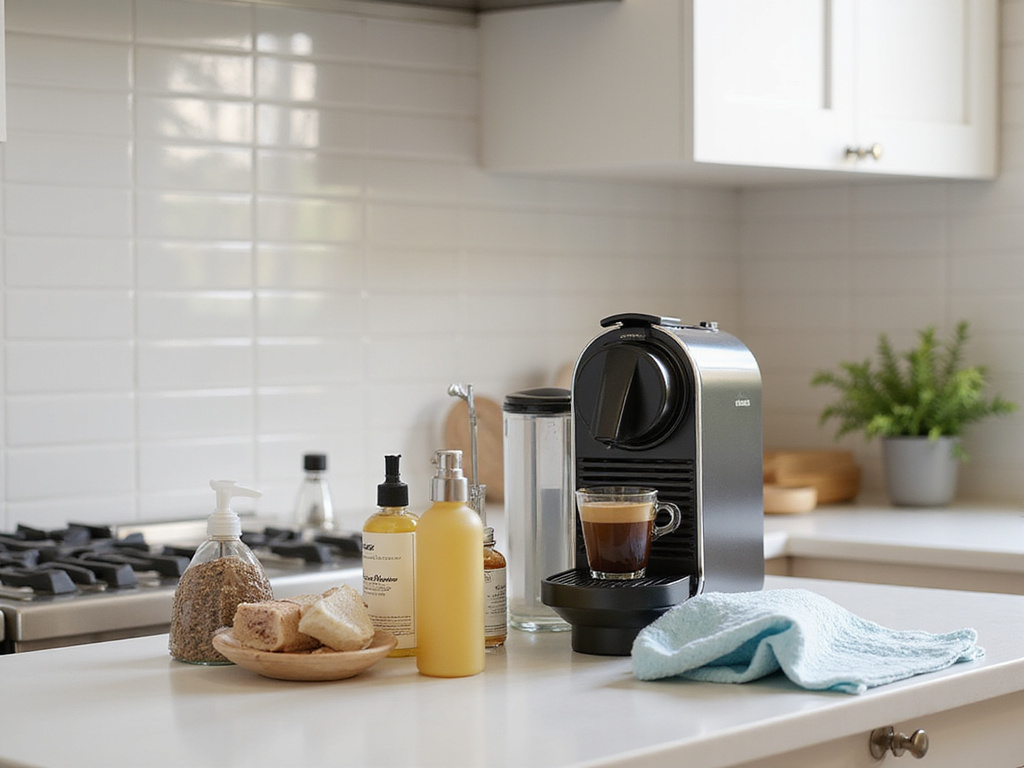
The Ultimate Guide to Nespresso Coffee Machine Cleaners: Keep Your Coffee Tasting Perfect
Coffee lovers everywhere know that a clean machine means better-tasting coffee. If you’ve invested in a Nespresso coffee machine, you want to ensure it continues to deliver that perfect cup day after day. Regular cleaning and maintenance are essential parts of Nespresso ownership that many users overlook. In this comprehensive guide, we’ll explore everything you need to know about cleaning your Nespresso machine, from daily maintenance to deep cleaning solutions and descaling. Whether you’re using the original Nespresso line or the newer Vertuo models, proper cleaning ensures optimal performance, extends your machine’s lifespan, and maintains the quality of your coffee experience.
Why Cleaning Your Nespresso Machine Is Essential
Your Nespresso machine works hard to deliver delicious coffee daily. Over time, coffee oils, mineral deposits, and residue build up inside the brewing components, water tank, and other parts of your machine. This buildup doesn’t just affect the taste of your coffee; it can actually damage your machine’s internal components, potentially leading to expensive repairs or replacement.
Regular cleaning offers several significant benefits:
- Better tasting coffee – Clean machines produce coffee with purer flavor notes and no unpleasant residual tastes
- Extended machine lifespan – Removing mineral buildup prevents damage to heating elements and other components
- Improved performance – Clean machines heat water more efficiently and maintain proper water pressure
- Healthier brewing environment – Regular cleaning prevents mold and bacteria growth in moist components
Many Nespresso users don’t realize that their machine’s performance issues—such as slower brewing, incomplete cup filling, strange noises, or inconsistent temperature—often stem from inadequate cleaning rather than machine failure. Implementing a regular cleaning routine can solve many of these problems and keep your coffee tasting its best.
Daily Cleaning: Simple Habits for Nespresso Maintenance
Daily maintenance takes just a few minutes but makes a significant difference in your machine’s performance and longevity. Incorporating these simple habits into your coffee routine will help prevent buildup and keep your machine functioning optimally:
Empty and Rinse After Each Use
After enjoying your coffee, don’t forget to remove the used capsule. Nespresso machines store used capsules in a container that should be emptied regularly to prevent mold growth and unpleasant odors. Most Nespresso machines can hold between 10-20 used capsules, but it’s best to empty the container daily.
The drip tray catches coffee splashes and occasionally overflows, making it another area that needs daily attention. Remove and rinse the drip tray and cup support with warm water to remove coffee residue. This prevents sticky buildup and keeps your machine looking clean and fresh.
Wipe Down External Surfaces
Keep the exterior of your machine looking pristine by wiping it down with a soft, damp cloth. Pay special attention to the coffee outlet area, where coffee splashes are most likely to occur. For stubborn spots, use a mild dish soap, but be sure to wipe away all soap residue completely. Never use abrasive sponges or harsh cleaning products, as these can damage the machine’s finish.
Run a Water Cycle Without a Capsule
One of the simplest yet most effective cleaning habits is running a water cycle without a capsule inserted. This helps flush out coffee residue from the brewing chamber and keeps the interior water pathways clean. Simply press the brew button as if you were making coffee, but without inserting a capsule. This quick rinse helps maintain coffee quality and prevents buildup in critical brewing components.
Refresh the Water Tank
Empty, rinse, and refill your water tank daily with fresh, filtered water. Standing water can develop a stale taste and may even begin to harbor bacteria if left for too long. The water tank lid also needs regular cleaning as it can collect dust. A quick rinse with warm water is usually sufficient, but you can also wash it with mild dish soap about once a week, making sure to rinse thoroughly.
Weekly Cleaning Routine for Optimal Performance
While daily maintenance helps keep your machine in good condition, a more thorough weekly cleaning prevents buildup and addresses areas that might be missed in your daily routine. Setting aside about 15 minutes once a week for these tasks will significantly improve your machine’s performance and longevity:
Deep Clean Removable Components
Once a week, remove all detachable parts for a more thorough cleaning. This includes the water tank and lid, drip tray, cup support, and used capsule container. Wash these components with mild dish soap and warm water to remove coffee oils and residue. For the capsule container in particular, a thorough cleaning is important as old coffee grounds can lead to mold and unpleasant odors.
If your Nespresso model has a milk frother attachment, such as the Aeroccino, this needs special attention. Dairy residue can quickly build up and affect both performance and hygiene. Disassemble the milk frother according to the manufacturer’s instructions and clean all parts thoroughly, paying special attention to the whisk and any interior surfaces that come into contact with milk.
Clean the Coffee Outlet and Puncture Area
The coffee outlet area deserves special attention as coffee oils can accumulate here over time. Use a soft brush (an old toothbrush works well) or a damp cloth to clean around the coffee spout. For the capsule puncture area, be careful not to damage the piercing mechanism. A gentle wipe with a damp cloth is usually sufficient, but you can also use a cotton swab dipped in water to reach tight spaces.
Run a Cleaning Cycle with Hot Water
As part of your weekly maintenance, run several hot water cycles through the machine without a capsule. This more extensive flushing helps clear any residual coffee oils or residue from the internal brewing system. For even better results, move the water tank water temperature lever to the hottest setting if your model has this option. Run 3-4 cycles, allowing the machine to reheat between each one for maximum cleaning effectiveness.
Monthly Deep Cleaning Solutions for Nespresso Machines
Monthly deep cleaning addresses issues that daily and weekly maintenance might miss. These more intensive cleaning procedures help ensure your machine continues to perform at its best and produces the highest quality coffee possible:
Professional Cleaning Pods: The Convenient Solution
Specialized cleaning pods offer perhaps the most convenient way to deep clean your Nespresso machine. Products like Urnex Nespresso cleaning pods are designed specifically for use with Nespresso machines. These pods contain cleaning agents that dissolve coffee oils and residue throughout the brewing system.
To use cleaning pods, simply insert one into your machine as you would a regular coffee capsule and run a brewing cycle. The cleaning solution will flow through the machine, dissolving buildup along the way. After using a cleaning pod, run at least 3-5 water cycles without any capsule to thoroughly rinse the system and remove any remaining cleaning solution.
Many users find professional cleaning pods particularly effective because they’re formulated specifically for coffee machines and reach internal components that are otherwise difficult to clean. While they cost more than household solutions like vinegar, many users feel the convenience and effectiveness justify the expense.
Vinegar Solutions: The Budget-Friendly Alternative
White vinegar offers an effective and economical cleaning solution for your Nespresso machine. Despite Nespresso’s official recommendations to use their branded descaling products, many users report excellent results using vinegar at a fraction of the cost.
To clean with vinegar, mix equal parts white vinegar and water in the water tank. Run this solution through your machine in half-cup cycles until the tank is half empty. Let the machine sit for about 30 minutes to allow the vinegar to dissolve mineral deposits and coffee residue. Then, finish running the remaining solution through the machine. Finally, refill the tank with fresh water and run at least 3 full tanks of water through the system to rinse away any vinegar taste or smell.
The acetic acid in vinegar effectively dissolves mineral buildup and coffee oils. While some fear the smell might linger, thorough rinsing eliminates any vinegar traces. As one Reddit user mentioned, “I’ve been buying the descale kit till I finally realized they work just the same as white vinegar. Have wasted so much money for nothing.”
Citric Acid: The Natural Descaler
Citric acid provides another natural and effective alternative for cleaning your Nespresso machine. Available in powder form at most grocery or health food stores, citric acid is particularly effective at removing mineral deposits.
To use citric acid as a cleaner, dissolve 1-2 tablespoons of citric acid powder in a full tank of water. Run half of this solution through your machine, let it sit for 20 minutes, then run the remainder through. As with other cleaning methods, finish with several tanks of clean water to thoroughly rinse the system.
Citric acid offers a good middle ground between vinegar and commercial descaling products. It’s more effective than vinegar for heavy mineral buildup but doesn’t have the strong smell. It’s also significantly less expensive than Nespresso’s branded descaling solution while being gentle on internal components.
Descaling Your Nespresso Machine: The Essential Deep Clean
Descaling is perhaps the most important deep cleaning process for your Nespresso machine. This procedure removes mineral buildup (limescale) that accumulates from the water used in brewing. Regular descaling is crucial for maintaining your machine’s heating efficiency, water flow, and overall performance.
When to Descale Your Machine
Most Nespresso machines have a built-in descaling alert that will notify you when descaling is needed. This typically occurs after approximately 300 capsules have been used, though water hardness in your area can affect this frequency. If your machine doesn’t have an indicator, or you want to stay ahead of maintenance, descaling every 3 months is a good rule of thumb for regular users.
Signs that your machine needs descaling include:
- Coffee that’s not as hot as usual
- Decreased water flow or incomplete cup filling
- Unusual noises during brewing
- Coffee with less crema than normal
- Longer brewing time than usual
Using Nespresso’s Official Descaling Kit
Nespresso sells a descaling kit specifically designed for their machines. The process is straightforward but takes approximately 20-30 minutes to complete. Here’s how to use the official descaling solution:
- Empty the drip tray and used capsule container
- Fill the water tank with one unit of Nespresso descaling solution and add water up to the maximum level
- Place a large container (at least 1 liter capacity) under the coffee outlet
- Enter descaling mode according to your machine’s instructions (usually by holding specific buttons in combination)
- Follow the flashing light indicators on your machine, which will guide you through the process
- Once complete, rinse the water tank thoroughly and refill with fresh water
- Run at least one full tank of clean water through the machine to rinse any remaining solution
The official solution is formulated to be safe for all internal components and effective against limescale. As one user noted about the process: “The descaling process takes over 20 mins. When it’s done the light will stop flashing. Don’t add more water. Don’t press any buttons. Just let it figure out it’s done and the light will stop blinking.”
Alternative Descaling Solutions
While Nespresso recommends their proprietary solution, both white vinegar and citric acid (as mentioned in the previous section) can effectively descale your machine. The process is similar to using the official solution, but costs significantly less. Whether using vinegar, citric acid, or commercial alternatives like Dezcal or Durgol, the key is thorough rinsing afterward to remove any residual solution.
For vinegar descaling, use a 1:1 ratio of white vinegar to water. For citric acid, use 1-2 tablespoons dissolved in a full water tank. In both cases, run half the solution through the machine, let it sit for 20-30 minutes, run the remainder through, then flush with at least two full tanks of clean water.
Some users even report better results with these alternatives, particularly for machines with heavy mineral buildup. The acidic properties of these solutions can be especially effective at dissolving stubborn limescale deposits that may have accumulated over time.
Specialized Cleaning for Vertuo Machines
Nespresso’s Vertuo line uses different brewing technology compared to the original line, which means some cleaning procedures are slightly different. The Centrifusion™ brewing system spins the capsule up to 7,000 rotations per minute, creating a different pattern of residue and requiring specific cleaning approaches.
Cleaning the Centrifusion System
The Vertuo’s spinning brew head can accumulate coffee grounds and oils in unique places. After every few uses, it’s important to check the capsule holder area and gently wipe away any coffee grounds that may have escaped the capsule. The spinning mechanism means grounds can sometimes accumulate in the capsule holder’s seams.
For weekly maintenance, pay special attention to the movable parts of the brew head. With the machine off and unplugged, carefully wipe around the silicone seals and the area where the capsule is punctured. These areas can harbor coffee residue that affects both the seal’s efficiency and the taste of your coffee.
Vertuo Specific Descaling
Descaling a Vertuo machine follows a similar process to the original line, but with machine-specific button combinations to initiate and control the process. According to Nespresso’s official guidance for Vertuo machines:
- Empty the drip tray and used capsule container
- Turn off the machine and wait 10 seconds
- Hold the lever in the unlock position and push the button while turning the machine on
- Release the button when the light turns orange (steady)
- Close the lever and press the button to start descaling
- The orange light will blink throughout the process
- When the tank is empty, refill with fresh water and press the button to rinse
- When rinsing is complete, press the button for 3 seconds to exit descaling mode
As with all descaling procedures, it’s essential to let the process complete without interruption. As noted by one user: “When it’s done the light will stop flashing. Don’t add more water. Don’t press any buttons. Just let it figure out it’s done.”
Vertuo Head Cleaning Cycle
Vertuo machines offer a special cleaning cycle that helps flush the brewing system without descaling chemicals. This can be useful for weekly maintenance or when you notice slight changes in coffee flavor:
- Ensure no capsule is inserted in the machine
- Close and lock the lever
- Press the button 3 times within 2 seconds
- The cleaning cycle will run automatically, pushing hot water through the system
- The process takes about 5 minutes and uses a full tank of water
This cleaning cycle is particularly effective for Vertuo machines as it helps clear coffee oils and residue from the complex spinning brew head that might not be reached during normal brewing.
Troubleshooting Common Cleaning Issues
Even with regular cleaning, you might encounter issues that require special attention. Here are solutions to common problems that can affect your Nespresso machine’s performance:
Addressing Persistent Clogs
If your machine is brewing slowly, producing less coffee than usual, or making unusual noises, you may have a clog somewhere in the system. These clogs typically form from a combination of mineral deposits and coffee oils that regular cleaning hasn’t fully addressed.
For stubborn clogs, a more aggressive descaling approach may be necessary. Try using a slightly stronger vinegar solution (2:1 vinegar to water) and allow it to sit in the machine for up to an hour before flushing. Alternatively, commercial descaling products like Durgol or Dezcal can be more effective than Nespresso’s own solution for particularly stubborn buildup.
If clogs persist, you may need to inspect the water inlet. Unplug the machine, remove the water tank, and check the inlet valve for any visible blockages. Sometimes, small mineral particles can accumulate here and restrict water flow.
Resolving Milk System Problems
For Nespresso models with integrated milk frothers or separate Aeroccino units, dairy residue can create persistent problems if not thoroughly cleaned. If your milk frother isn’t performing correctly, try this deep cleaning method:
- Disassemble all removable parts of the milk system
- Soak in a solution of warm water and mild dish soap for 30 minutes
- Use a bottle brush to scrub interior surfaces, paying special attention to the whisk and any narrow tubes
- For stubborn milk residue, mix a solution of 1 tablespoon baking soda with 1 cup of warm water and soak components for 1 hour
- Rinse thoroughly with clean water and allow to dry completely before reassembling
For machines with steam wands, purging immediately after use is crucial. Additionally, remove the wand tip weekly and soak in a solution of hot water and milk frother cleaner or dish soap to prevent milk protein buildup.
Addressing Taste Issues
If your coffee tastes off despite regular cleaning, several issues might be at play. First, ensure you’re using fresh water for each brewing session—stale water in the tank can significantly impact flavor. Second, consider the age of your descaling solution if you’re using the commercial variety; these can lose effectiveness over time.
Sometimes, an unexpectedly bitter or metallic taste can occur after descaling if the machine wasn’t rinsed thoroughly. In this case, run at least two full tanks of fresh water through the system to remove any lingering cleaning solution.
For persistent unusual flavors, try this reset procedure: empty the machine completely, run a cleaning cycle with a specialized cleaning pod like Urnex, followed by a vinegar solution descaling, then finish with a thorough rinse of at least three full water tanks. This comprehensive approach addresses both coffee oils and mineral deposits that might be affecting flavor.
Creating a Maintenance Schedule for Longevity
Developing a consistent cleaning schedule is key to maintaining your Nespresso machine’s performance and extending its lifespan. Here’s a practical maintenance timeline that balances convenience with thorough care:
Daily Quick Maintenance (2-3 minutes)
- Empty and rinse the drip tray
- Remove used capsules from the container
- Wipe down machine exterior
- Run one water cycle without a capsule
- Rinse and refill the water tank
Weekly Deep Clean (10-15 minutes)
- Wash all removable parts with mild soap and warm water
- Clean the coffee outlet and capsule insertion area
- Run 3-4 hot water cycles through the system
- For Vertuo machines, run the special cleaning cycle
Monthly Maintenance (20-30 minutes)
- Use a cleaning pod or cleaning solution
- Deep clean any milk components
- Check for any signs of wear or damage
Quarterly Descaling (30-45 minutes)
- Full descaling procedure using official solution or alternatives
- Thorough inspection of all components
- Reset any maintenance indicators
This schedule can be adjusted based on your usage patterns. Heavy users (4+ coffees daily) should consider monthly descaling, while light users (a few coffees per week) might extend to bi-annual descaling. Water hardness in your area also impacts the frequency needed—harder water requires more frequent descaling.
Many Nespresso owners find it helpful to set calendar reminders for weekly, monthly, and quarterly maintenance. Some even keep a simple maintenance log to track when major cleaning tasks were last performed. This systematic approach ensures no aspect of machine care is overlooked and helps you identify patterns if problems develop.
Cost Comparison: Commercial vs. Household Cleaning Solutions
Keeping your Nespresso machine clean doesn’t have to break the bank. Here’s a cost comparison of various cleaning options to help you make an informed decision about what’s best for your machine and budget:
| Cleaning Solution | Average Cost | Cost Per Use | Effectiveness | Pros & Cons |
|---|---|---|---|---|
| Nespresso Descaling Kit | $9-15 for 2 uses | $4.50-7.50 | High | Pros: Specifically formulated, manufacturer approved Cons: Expensive, limited uses per package |
| Third-Party Cleaning Pods | $10-15 for 5-10 pods | $1.50-2.00 | High | Pros: Convenient, effective for internal cleaning Cons: Moderately expensive, additional rinsing needed |
| White Vinegar | $2-3 per quart | $0.25-0.50 | Medium-High | Pros: Very affordable, readily available, natural Cons: Strong odor, may need multiple applications for heavy buildup |
| Citric Acid | $5-7 per pound | $0.30-0.50 | Medium-High | Pros: Affordable, natural, no strong odor Cons: May need to order online, less effective for coffee oils |
| Commercial Descalers (Durgol, Dezcal) |
$10-15 for 4-6 uses | $2.00-3.00 | Very High | Pros: Highly effective, especially for stubborn buildup Cons: More expensive than household options, chemical ingredients |
As evident from the comparison, household solutions like white vinegar and citric acid offer significant cost savings over commercial products. A bottle of white vinegar costing around $2-3 can provide enough solution for 8-12 descaling sessions, compared to just 2 sessions from Nespresso’s kit at a similar price point.
Many long-term Nespresso users eventually transition to these more economical solutions after discovering their effectiveness. As one Reddit user commented, “I’ve been buying the descale kit till I finally realized they work just the same as white vinegar. Have wasted so much money for nothing.”
For those concerned about using alternative solutions, it’s worth noting that vinegar and citric acid are commonly recommended for descaling various coffee machines, including those from other major manufacturers. The key is thorough rinsing afterward to remove any residual solution or odor.
Preventing Buildup: Proactive Measures
While regular cleaning is essential, several proactive steps can minimize buildup and reduce the frequency of deep cleaning needed:
Water Quality Considerations
The quality of water you use in your Nespresso machine significantly impacts how quickly mineral deposits accumulate. Hard water contains higher levels of calcium and magnesium, which are the primary components of limescale buildup.
Consider using filtered or bottled water with low mineral content, especially if you live in an area with hard water. While distilled water is sometimes recommended for coffee machines, Nespresso actually advises against using completely demineralized water as some minerals are beneficial for proper extraction and flavor development.
Installing a water softener in your home or using a Brita filter (or similar) can significantly reduce mineral content in your water, extending the time between descaling sessions. Some users even keep a separate filtered water pitcher specifically for their coffee machines.
Regular System Flushing
Developing the habit of flushing your machine before and after use provides significant benefits. A pre-brew flush helps warm up internal components and clears any dust or residue that might have settled since the last use. A post-brew flush helps remove coffee oils and residue before they can dry and become more difficult to remove.
For Vertuo machines, consider running the specialized cleaning cycle weekly rather than monthly if you use your machine daily. This more frequent flushing helps prevent buildup in the complex Centrifusion brewing system without requiring chemical cleaners.
Empty and Dry When Not in Use
If you’re going to be away for more than a few days, emptying and drying your machine can prevent mold growth and stagnant water issues. Empty the water tank, run the machine until no more water comes out, and leave the tank and lid separate to air dry.
For longer absences (more than two weeks), consider running a cleaning cycle before you leave and again when you return. This ensures you’re not brewing with stale water or through a system that’s developed buildup during the idle period.
Some users even descale their machines before extended absences to ensure they’re completely clean while sitting unused. This can be particularly beneficial before a vacation of several weeks or more.
Frequently Asked Questions About Nespresso Coffee Machine Cleaner
How often should I descale my Nespresso machine?
You should descale your Nespresso machine every 3 months or after approximately 300 capsules, whichever comes first. If you live in an area with hard water, you might need to descale more frequently. Most Nespresso machines have a descaling alert that will indicate when it’s time. Signs that your machine needs descaling include slower brewing, incomplete cup filling, less hot coffee than usual, or decreased crema.
Can I use white vinegar instead of Nespresso’s descaling solution?
Yes, white vinegar is an effective and economical alternative to Nespresso’s descaling solution. Use a 1:1 ratio of white vinegar and water, run half through the machine, let it sit for 20-30 minutes, then run the remainder. Follow with at least two full tanks of clean water to rinse thoroughly. While Nespresso officially recommends their branded solution, many long-term users report excellent results with vinegar at a fraction of the cost.
What’s the best way to clean a Nespresso machine that hasn’t been used for months?
For a machine that’s been sitting unused for months, start with a thorough inspection for mold or unusual residue. Clean all removable parts with warm, soapy water. Then perform a full descaling procedure using either Nespresso’s solution or an alternative like vinegar or citric acid. After descaling, run at least three full tanks of clean water through the system. For extremely neglected machines, specialty cleaning pods like Urnex can help remove stubborn buildup before descaling.
How do I clean the milk frother on my Nespresso machine?
For Aeroccino or integrated milk frothers, disassemble all removable parts and wash with warm, soapy water after each use. For weekly deep cleaning, soak parts in a solution of warm water and milk frother cleaner or mild dish soap for 30 minutes. Use a bottle brush to scrub interior surfaces, paying special attention to the whisk and any narrow tubes. For stubborn milk residue, a solution of 1 tablespoon baking soda with 1 cup warm water can be effective. Always rinse thoroughly and dry completely before reassembling.
What’s the difference between cleaning and descaling a Nespresso machine?
Cleaning focuses on removing coffee oils and residue from the brewing components, while descaling specifically addresses mineral deposits (limescale) that build up from water. Regular cleaning involves flushing with water and occasionally using cleaning pods, while descaling requires an acidic solution to dissolve minerals. Both processes are essential: cleaning maintains flavor quality and prevents clogs, while descaling preserves heating efficiency and internal components. A complete maintenance routine includes both regular cleaning and periodic descaling.
How do I know if my Nespresso machine is clean enough?
A properly cleaned Nespresso machine produces coffee with full flavor, proper temperature, and rich crema. After cleaning, the water should flow smoothly without sputtering, and the machine should operate quietly without unusual noises. Run a water cycle without a capsule—the water should be clear without any coffee tint or particles. There should be no coffee smell from the brewing head when the machine is idle, and no residue should be visible on removable parts. If these conditions are met, your machine is likely clean enough for optimal performance.
Maintaining your Nespresso machine doesn’t have to be complicated or expensive. With regular attention and the right cleaning approach, your machine will continue to deliver exceptional coffee for years to come. Whether you choose commercial solutions or household alternatives, the key is consistency and thoroughness in your cleaning routine.
For more information on maintaining your specific Nespresso model, you can visit the official Nespresso maintenance guide or join the active community of Nespresso owners on Reddit’s Nespresso forum, where users frequently share their experiences and tips for machine care.