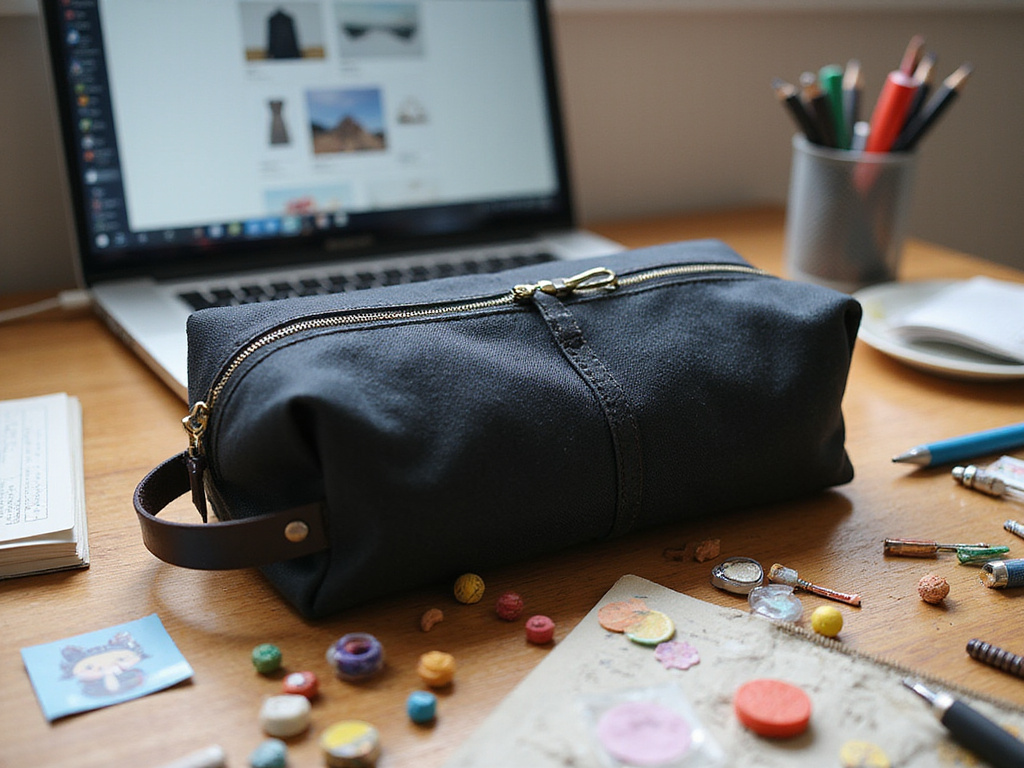
Ultimate Guide to Large Pencil Case Pouches for Boys: Organization, Style & Value
When it comes to school supplies, a reliable large pencil case pouch for boys isn’t just an accessory—it’s an essential organizational tool that can make or break your child’s daily academic experience. Today’s pencil cases have evolved far beyond simple containers for writing instruments; they’re now multifunctional storage solutions designed to keep everything from colored pencils and markers to calculators, USB drives, and even small electronics organized and accessible. In this comprehensive guide, we’ll explore everything you need to know about selecting, organizing, and maximizing the potential of large pencil case pouches specifically designed for boys.
Why a Quality Large Pencil Case Pouch Matters for Boys
Boys, particularly in elementary and middle school, often have specific needs when it comes to school supplies organization. A high-quality large pencil case pouch serves multiple crucial functions in a student’s daily life. First and foremost, it helps develop organizational skills from an early age. By having a dedicated place for their pens, pencils, erasers, sharpeners, and other essentials, boys learn to take responsibility for their belongings and develop habits that will serve them throughout their academic careers.
Additionally, the right pencil case can save valuable time during class transitions. Rather than digging through a backpack for a specific pen or calculator, a well-organized pencil pouch allows for quick access to needed supplies. This efficiency means less classroom disruption and more time focused on learning. Studies have shown that students who maintain organized supplies typically experience less stress and perform better academically than their less-organized peers.
Beyond the practical benefits, a pencil case that resonates with a boy’s personal style can also boost confidence and enjoyment of the school day. Whether featuring favorite superheroes, sports teams, gaming references, or subtle, mature designs for older students, a pencil case that reflects personality provides a small but meaningful form of self-expression within school environments where personal choices may be limited.
Key Features to Look for in Boys’ Large Pencil Case Pouches
When shopping for a large pencil case pouch for boys, several important features can make the difference between a case that lasts a few weeks and one that survives the entire school year (or longer). Here’s what to consider before making your purchase:
Size and Capacity
For most students beyond early elementary school, a large-capacity pencil case is essential. Look for cases that can comfortably hold:
- 8-12 colored pencils
- 3-5 standard pencils
- 2-3 pens of different colors
- 1 highlighter
- 1 eraser
- 1 pencil sharpener
- 1 small ruler
- 1 calculator (for older students)
- Small additional items like paper clips or sticky notes
The ideal dimensions for a “large” pencil case typically fall around 7-8 inches long, 4-5 inches wide, and 2-3 inches deep. This provides ample room without becoming too bulky to fit in a backpack or desk. For boys in art classes or those who enjoy drawing, you might want to consider an even larger case with special slots for art supplies.
Durability and Construction
Let’s be honest—boys can be tough on their school supplies. A pencil case that can’t withstand being tossed in a backpack, dropped on the playground, or occasionally sat on won’t last long. Look for cases constructed from these durable materials:
- Canvas or nylon: Provides excellent durability with lightweight performance
- Polyester: Resists tears and abrasions while remaining affordable
- Reinforced seams: Double-stitched seams prevent splitting at stress points
- Quality zippers: Metal zippers typically outlast plastic ones
- Water-resistant coatings: Protects contents from spills or rain
Pay particular attention to zipper quality, as this is typically the first component to fail. YKK zippers are widely recognized as the industry standard for reliability. A case with a zipper that extends three-quarters of the way around the perimeter offers the best accessibility to all contents.
Compartmentalization
One of the most valuable features in a large pencil case is effective compartmentalization. Multiple pockets, dividers, or elastic bands help maintain order and prevent items from damaging each other. Look for:
- A main compartment for larger items
- Elastic loops to secure individual writing implements
- Mesh pockets for visibility of smaller items
- A separate small zippered pocket for tiny items like erasers or paper clips
- External quick-access pockets for frequently used items
For boys who take multiple subjects, a case with color-coded sections can help them quickly grab the right supplies for each class. Some premium cases even include removable dividers that allow for customization as needs change throughout the school year.
Popular Styles and Designs Boys Prefer
When it comes to design preferences, boys typically fall into several distinct categories. Understanding these preferences can help you select a pencil case your child will actually want to use:
Sports and Activity Themes
Many boys gravitate toward pencil cases that showcase their favorite sports or activities. Popular options include:
- Soccer/football-themed cases with team logos
- Basketball texture and imagery
- Baseball-inspired designs with stitching patterns
- Skateboarding or extreme sports graphics
- Racing or motorsports themes
These cases often incorporate realistic textures, team colors, or action scenes that resonate with boys who are enthusiastic about these activities. Many sports-themed cases also feature extra padding, making them particularly durable for active students.
Gaming and Tech-Inspired Designs
For digitally-focused boys, pencil cases that reference gaming culture or technology are extremely popular:
- Cases featuring characters from popular video games
- Pixel art and retro gaming aesthetics
- Tech-inspired circuit board patterns
- Cases designed to look like gaming controllers or devices
- Science and robotics themes
These designs often incorporate LED lights, special textures, or interactive elements that appeal to tech-savvy students. Some even include special compartments designed specifically for storing USB drives, small electronics, or calculator batteries.
Minimalist and Mature Options
For older boys or those with more subdued tastes, minimalist designs offer functionality without appearing too childish:
- Solid colors in navy, black, gray, or army green
- Simple geometric patterns
- Canvas or leather-look materials
- Subtle brand logos
- Monochromatic color schemes
These designs work particularly well for middle and high school students who may be more conscious of peer perceptions and prefer accessories that look more grown-up. Many feature professional-looking exteriors while maintaining playful or colorful interiors—offering the best of both worlds.
How to Effectively Pack and Organize a Boys’ Pencil Case
Even the best pencil case is only as effective as how it’s organized. Teaching your son to properly pack and maintain his pencil case can develop valuable organizational skills while ensuring he always has the supplies he needs. Here’s a systematic approach to pencil case organization:
Essential Packing Strategy
Start with a strategic layering approach to maximize space and accessibility:
- Bottom layer: Place rarely-used but important items like spare erasers, extra lead, or backup supplies at the bottom
- Middle layer: Position regularly used staples like standard pencils, basic pens, and highlighters
- Top layer: Keep daily essentials like the primary writing pencil or pen for quick access
If the case has elastic loops, use them for frequently-needed items so they stay in place and are easy to grab. Reserve any mesh pockets for items that benefit from visibility, such as colored pencils or markers where color identification is important.
Customizing for Subject-Specific Needs
For students taking specialized courses, consider tailoring the pencil case contents to support specific subjects:
- Math: Include mechanical pencils with fine lead (0.5mm or 0.7mm), a quality eraser, a compact ruler, and a scientific calculator for older students
- Art: Dedicate space for drawing pencils of varying hardness (2B, 4B, etc.), blending stumps, and a kneaded eraser
- Science: Include colored pens for diagram labeling and a small ruler with both metric and imperial measurements
- Language Arts: Stock with highlighters in multiple colors for text annotation and editing
For middle and high school boys juggling multiple subjects, consider implementing a color-coding system where supplies for each subject have a designated color, making transitions between classes more efficient.
Regular Maintenance Routine
Establish a weekly maintenance routine to keep the pencil case functional and extend its lifespan:
- Empty the entire case once per week
- Remove pencil shavings, eraser debris, and paper scraps
- Wipe down the interior with a slightly damp cloth
- Check supply levels and sharpen pencils
- Reorganize according to current needs
- Replace any broken or lost items
This routine not only keeps supplies accessible but also prevents the accumulation of debris that can damage zippers and seams over time. It’s also an excellent opportunity to assess what supplies need replenishing before they run out completely.
Beyond the Basics: Creative Uses for Large Pencil Pouches
While the primary function of a large pencil case pouch is organizing school supplies, these versatile containers can serve numerous additional purposes for creative boys:
Tech Accessories Organization
Modern students increasingly rely on digital tools alongside traditional supplies. A large pencil case can double as an electronics organizer for:
- Earbuds or headphones
- USB drives and SD cards
- Charging cables
- Portable battery packs
- Stylus pens for tablets
For tech-focused boys, dedicate a second pencil case specifically for these items to prevent tangled cables and keep electronic accessories protected from damage. Some boys even use their pencil cases as impromptu smartphone stands during lunch breaks for watching videos or gaming sessions.
Hobby and Collection Storage
Large pencil pouches make excellent containers for various collections and hobby items boys commonly enjoy:
- Trading card game collections (Pokémon, Magic: The Gathering, sports cards)
- Small action figures or miniatures
- Gaming dice sets for tabletop role-playing games
- Rock, mineral, or fossil specimens
- Model building tools and small parts
The compartmentalized design of many pencil cases makes them particularly well-suited for organizing collections with multiple small pieces. The portability factor allows boys to bring their hobbies to friends’ houses or club meetings without losing pieces.
Travel and Activity Companions
On family trips or outings, a large pencil case can serve as a compact activity kit containing:
- Travel games and playing cards
- Drawing supplies for restaurant waits
- Puzzle books and brain teasers
- Small modeling clay or putty
- Fidget toys for sensory needs
Creating a dedicated “boredom buster” pencil case can be a lifesaver during travel delays, medical waiting rooms, or other situations where boys need quiet entertainment. The contained nature means less mess and easier cleanup in various environments.
DIY and Customization: Making a Pencil Case Truly Unique
For crafty families or boys who enjoy personalization, customizing a large pencil case can be a rewarding project that creates a truly one-of-a-kind school accessory:
Simple Personalization Techniques
Even without advanced crafting skills, several easy methods can make a standard pencil case more personal:
- Iron-on patches: Add patches representing favorite interests, characters, or achievements
- Fabric markers: Draw custom designs or write names/quotes on canvas cases
- Keychains or zipper pulls: Attach meaningful charms to zippers for added personality
- Reflective tape: Add strips for both style and improved visibility in dark backpacks
- Button pins: Collect and display pins that express changing interests throughout the year
These simple additions not only make the case more visually appealing but also make it instantly recognizable, reducing the chance of mix-ups with classmates’ similar cases.
Creating Custom Compartments
For more advanced customization, consider modifying the interior organization:
- Use craft foam to create custom dividers for specific tools
- Sew small fabric pockets inside for specialized items
- Add elastic bands with hot glue for holding individual items
- Install self-adhesive Velcro strips to secure valuable items
- Create cardboard inserts covered in fabric for removable compartments
These modifications can transform a standard pencil case into a customized organizer perfectly tailored to your son’s specific supplies and preferences. For boys with special interests like art, robotics, or model building, these adjustments can accommodate specialized tools that standard cases might not effectively organize.
Making a Pencil Case from Scratch
For the ultimate customization, consider making a pencil case from scratch with your son as a bonding project:
- Upcycle durable materials like old jeans, canvas bags, or neoprene laptop sleeves
- Follow beginner-friendly sewing tutorials specifically for pencil pouches
- Use no-sew techniques with fabric glue and hemming tape for younger crafters
- Incorporate meaningful fabrics like old sports jerseys or favorite outgrown clothes
- Add personalized embroidery or fabric painting before assembly
DIY pencil cases often become treasured possessions with stories and memories attached. They also provide an excellent opportunity to teach basic sewing and crafting skills while creating something practical. Several online tutorials specifically guide parents through creating zippered pouches with multiple compartments, perfect for school supplies. The WikiHow guide on pencil case packing offers additional insights on organizing these custom creations.
Budget-Friendly Options That Don’t Sacrifice Quality
Quality large pencil case pouches don’t necessarily require a significant investment. With strategic shopping and an understanding of what features truly matter, you can find excellent options at various price points:
Best Times to Shop for Deals
Timing your purchase strategically can result in significant savings:
- Back-to-school sales (July-September): The obvious choice with discounts of 25-50% on most school supplies
- Post-holiday clearance (January): Retailers often discount remaining stock from holiday gift selections
- End of semester sales (December/May): When stores clear inventory before ordering for the next school season
- Outlet and warehouse sales: Brand-name options at reduced prices year-round
- Online flash sales: Subscribe to newsletters from school supply retailers for alerts on limited-time discounts
Buying slightly out of season can yield the best bargains, especially if you’re willing to store the pencil case for a few months before use. Many parents report finding high-quality cases at 70-80% discounts during January clearance events.
Alternative Retail Sources
Looking beyond traditional school supply stores can uncover affordable yet durable options:
- Craft stores: Often carry high-quality storage pouches in their organization sections
- Outdoor retailers: Camping organizers and toiletry bags can make excellent rugged pencil cases
- Dollar stores: Occasionally stock surprisingly durable options, especially for basic designs
- Thrift stores: Source for gently-used high-end cases at fraction of retail prices
- Online marketplaces: Direct-from-manufacturer options without retail markup
Many parents find that repurposing items not marketed specifically as “pencil cases” can provide superior quality at lower costs. For instance, travel toiletry organizers often feature water-resistant materials, multiple compartments, and heavy-duty zippers—all ideal characteristics for school supply storage.
Value Assessment: When to Invest More
While budget-friendly options abound, certain situations may warrant spending a bit more:
| Worth the Extra Investment | Save Your Money On |
|---|---|
| Higher-quality zippers (specifically YKK brand) | Licensed character designs (often poor quality with premium pricing) |
| Water-resistant or waterproof materials | Excessive built-in supplies (often low quality and overpriced) |
| Reinforced bottom panels | Novelty features like sound effects or lights (typically break quickly) |
| Warranty-backed products | Delicate decorative elements that could detach easily |
| Cases with expandable features for growth | Cases with fixed, limited compartments that can’t be reconfigured |
Consider your son’s specific needs—a boy who walks to school in rainy conditions might benefit more from waterproof materials, while a younger student might need reinforced construction to withstand rough handling. Investing strategically in features that address your specific situation will provide better value than paying for unnecessary embellishments.
Case Study: Real Boys and Their Pencil Case Solutions
To provide practical insight into how large pencil cases work in real-world scenarios, let’s examine how different boys have found solutions to their specific organizational challenges:
Elementary School: Jake’s Art-Friendly Organization
Ten-year-old Jake is passionate about art and needs to carry both standard school supplies and art materials. His parents found a large double-decker pencil case with two completely separate zippered compartments. The top section holds daily essentials like pencils, pens, erasers, and scissors, while the bottom compartment stores his colored pencils, fine-tip markers, and blending tools. The separation prevents his art supplies from being crushed by heavier items and keeps graphite from his drawing pencils from smudging his schoolwork.
Jake’s case features elastic loops color-coded to help him remember where everything belongs—yellow loops for standard school items and blue loops for art supplies. His parents report that this system has dramatically reduced lost supplies and has even helped him transition between regular classwork and art periods more efficiently.
Middle School: Tyler’s Subject-Specific System
Twelve-year-old Tyler struggled with staying organized when changing classes in middle school. His solution was an expandable accordion-style pencil case with six distinct compartments, each color-coded for different subjects. Using a combination of removable silicone dividers and labeled tabs, he organized each section with the specific tools needed for individual classes:
- Math (Red): Mechanical pencils, precision erasers, graph paper sticky notes, protractor
- Language Arts (Blue): Colored highlighters, editing pens, bookmark tabs
- Science (Green): Multi-color pens for diagrams, small metric ruler, lab note sticky tabs
- Social Studies (Yellow): Index cards, fact-checking highlighter, map pencils
- Electives (Purple): Subject-specific tools that change by semester
- Tech (Gray): USB drive, stylus, screen cleaning cloth, earbuds
This highly specialized organization system allows Tyler to quickly flip to the exact supplies needed for each class without digging through unrelated items. While the initial setup took some time, the efficiency gained throughout the school year has been well worth the effort, according to his parents.
High School: Max’s Minimalist Approach
Sixteen-year-old Max needed a mature-looking solution that could transition between school, after-school activities, and weekend events. He opted for a canvas pencil pouch with a leather bottom and trim that resembles a small dopp kit. The military-inspired olive color and subtle design allow him to use it in multiple contexts without appearing juvenile.
Instead of elaborate internal organization, Max relies on small color-coded silicone bands to group related items together within the case. This modular approach allows him to quickly add or remove bundles of supplies based on daily needs. He keeps essentials permanently in the case while swapping specialized items as his schedule demands.
Max’s parents note that this approach has taught him to be intentional about what he carries, evaluating what he truly needs rather than hauling unnecessary supplies. This minimalist strategy has translated to better organization in other areas of his life as well.
Maintenance and Longevity: Making a Pencil Case Last
A quality pencil case should last far longer than a single school year with proper care and maintenance. Implementing these practices will help extend the usable life of your son’s pencil case while teaching valuable lessons about caring for possessions:
Regular Cleaning Practices
Establish a consistent cleaning routine to prevent build-up of debris that can damage both the case and its contents:
- Weekly shake-out: Empty the case completely and shake out loose debris over a trash can
- Monthly deep clean: For fabric cases, spot-clean with mild soap and water; for plastic-lined cases, wipe down with disinfectant wipes
- Quarterly wash (if fabric): Check manufacturer instructions—many canvas and polyester cases can be machine-washed in a delicate cycle within a mesh laundry bag
- Zipper maintenance: Clean tracks with a small brush and apply zipper lubricant (like a graphite pencil rubbed along the teeth) if zippers begin sticking
- Air dry thoroughly: Always ensure the case is completely dry before returning supplies to prevent mold or mildew
For cases with significant pencil graphite buildup, a soft eraser can often remove marks more effectively than soap and water. For stubborn stains, a paste made from baking soda and water applied with a soft toothbrush can work wonders without damaging fabrics.
Preventative Measures
Several preventative techniques can substantially extend a pencil case’s lifespan:
- Apply fabric protector spray to cloth cases at the beginning of the school year
- Reinforce stress points with a few stitches at the first sign of seam weakening
- Use a pencil cap or separate small case for sharpeners to contain shavings
- Cap all pens and markers completely to prevent ink leaks
- Store wet items (like recently-washed paint brushes) in separate plastic bags until dry
Consider applying a small piece of clear tape over any printed or embroidered name labels to prevent them from fraying or becoming illegible over time—particularly important if the case needs to be identified in a lost-and-found situation.
Seasonal Storage
During extended breaks from school, proper storage will keep the pencil case in good condition:
- Clean thoroughly before storing
- Remove all batteries from electronic items like calculators
- Leave zippers partially open to prevent stress on the closure
- Store in a cool, dry location away from direct sunlight (which can fade colors)
- Avoid compressing under heavy items which could permanently deform the case
For valuable or sentimental pencil cases, consider storing with a silica gel packet (like those found in shoeboxes) to absorb any moisture and prevent mold during humid summer months. This small precaution can significantly extend the aesthetic and functional life of special cases.
FAQs about Large Pencil Case Pouches for Boys
What size pencil case is best for elementary vs. middle school boys?
For elementary school boys (grades K-5), a medium-sized pencil case approximately 7-8 inches long and 3-4 inches wide generally provides sufficient space for basic supplies without becoming too heavy or bulky. As boys enter middle school (grades 6-8), their supply needs typically expand to include more specialized items like geometry tools, multiple types of writing implements, and possibly a scientific calculator. At this stage, a larger case measuring 8-10 inches long and 4-5 inches wide with multiple compartments becomes more appropriate. High school students may prefer an even larger option or a system of multiple coordinated pouches to accommodate subject-specific materials.
How can I prevent my son from losing his pencil case?
Several effective strategies can help minimize pencil case loss: First, choose a brightly colored or distinctive case that stands out visually. Clearly label both the inside and outside with your son’s name, class, and contact information using permanent markers or sewn-in name tags. Consider attaching a carabiner clip or strap that allows the case to be secured to backpack loops or binder rings. Establish a consistent storage routine—the pencil case should have a “home” location when at school (desk, backpack, or specific binder pocket) and a designated spot at home. For particularly forgetful boys, some parents find success with tracking devices like Tile or Apple AirTag that can be discreetly attached to larger pencil cases.
What creative items can boys keep in their pencil cases besides traditional school supplies?
Large pencil cases can accommodate numerous useful non-traditional items: Small fidget tools can help with focus during long lectures (silent options like worry stones or textured tangles are best). A compact first aid kit with band-aids, alcohol wipes, and an antibiotic ointment packet provides independence in handling minor injuries. Tech accessories like a short charging cable, earbuds, or memory cards fit well in larger pouches. For creative boys, items like polymer clay, origami paper, or a small sketchbook provide artistic outlets during free periods. Other practical additions include a folding hairbrush, pocket tissues, dental floss, spare change for emergencies, a small sewing kit for uniform repairs, or even a collapsible water bottle. The key is selecting items that genuinely support your son’s specific needs and interests without overloading the case.
How often should a boy’s pencil case be replaced?
With proper care, a quality large pencil case should last 2-3 school years before requiring replacement. However, several factors might necessitate earlier replacement: Significant growth in academic needs (transitioning from elementary to middle school often requires more storage capacity), visible structural damage that affects functionality (broken zippers, torn compartments, or compromised water resistance), hygiene concerns (persistent stains or odors that don’t respond to cleaning), or simply a maturing aesthetic as boys grow older and their style preferences evolve. Rather than automatically replacing a pencil case each year with school supplies, assess its condition and functionality. Many parents find that investing in a slightly more expensive, higher-quality case initially results in less frequent replacements and better long-term value.
What are the best materials for pencil cases that need to withstand rough handling by boys?
For boys who are particularly tough on school supplies, several highly durable materials stand out: Ripstop nylon (originally developed for military parachutes) offers exceptional tear resistance and lightweight performance. Ballistic nylon, developed for flak jackets, provides superior abrasion resistance and durability. Heavy-duty canvas with reinforced stitching at stress points can withstand years of use. Neoprene (wetsuit material) offers excellent shock absorption for protecting fragile items and naturally resists water. Silicone or rubber-coated cases provide grip to prevent drops while being easy to clean. For maximum durability, look for cases with reinforced edges, metal YKK zippers instead of plastic, double-stitched seams, and waterproof or water-resistant coatings. Cases marketed for outdoor activities often use these more rugged materials and construction techniques, making them excellent options for boys who are hard on their supplies.
How can I make a DIY large pencil case for my son?
Creating a custom DIY pencil case can be both economical and provide a perfect fit for your son’s specific needs. For a simple zippered pouch, you’ll need: durable fabric (canvas, denim from old jeans, or outdoor upholstery fabric work well), a quality zipper 1-2 inches longer than your desired case width, coordinating thread, basic sewing supplies, and optional interfacing for structure. For beginners, a basic rectangular design with a single zipper across the top provides the easiest starting point. Hundreds of free tutorials are available online with step-by-step instructions, including this video tutorial which demonstrates creating a pencil pouch from scratch. For those wanting more advanced features, tutorials specifically for multi-compartment organizers can be found that incorporate dividers, elastic loops for holding individual items, and specialized pockets. No-sew options using fabric glue and iron-on hemming tape are also available for those without sewing machines.