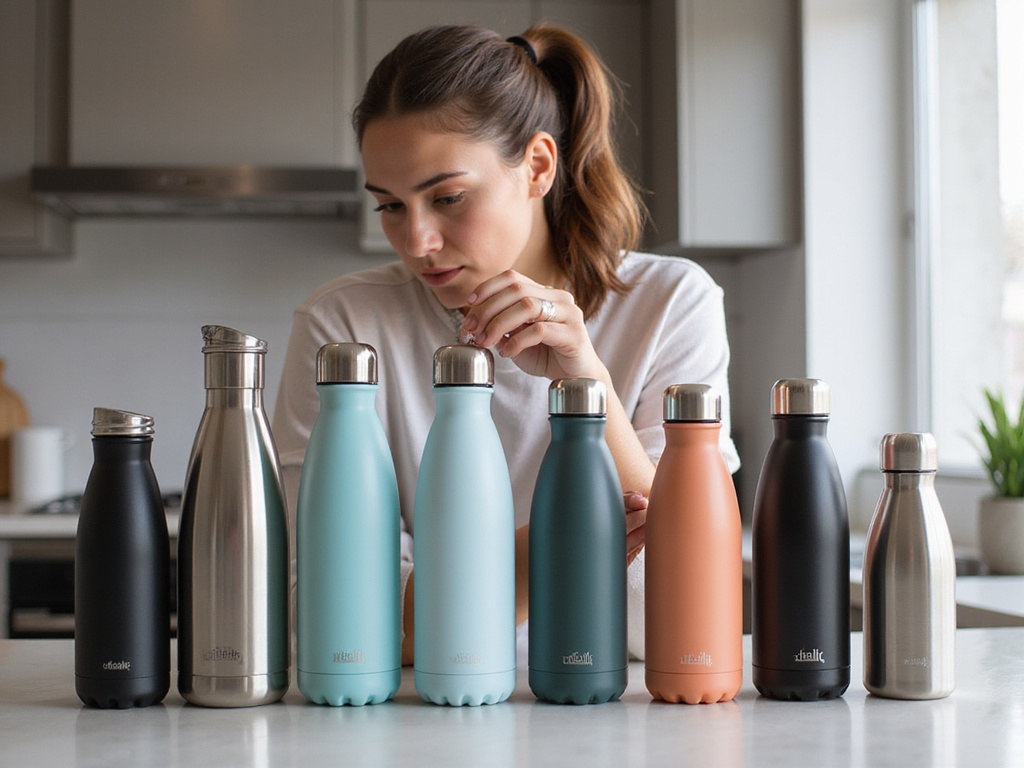
Ultimate Guide to Insulated Stainless Steel Water Bottles: Reviews, Care Tips, and Best Buys
Staying hydrated has never been more stylish or sustainable than with an insulated stainless steel water bottle. These modern hydration companions have revolutionized the way we carry and consume water, offering remarkable temperature retention capabilities that keep your beverages cold for up to 24 hours or hot for up to 12 hours. Beyond just being functional, these eco-friendly alternatives to single-use plastic bottles have become something of a fashion statement and lifestyle choice for environmentally conscious consumers worldwide.
In this comprehensive guide, we’ll explore everything you need to know about insulated stainless steel water bottles – from choosing the perfect model for your needs to proper maintenance techniques that ensure longevity. We’ll compare leading brands, share insider cleaning tips, highlight where to find the best deals, and help you make an informed decision before purchasing your next hydration companion.
Why Choose an Insulated Stainless Steel Water Bottle?
The popularity of insulated stainless steel water bottles isn’t just a passing trend – these durable hydration vessels offer numerous advantages over their plastic, glass, or aluminum counterparts. Here’s why they’ve become the preferred choice for many:
- Superior Temperature Retention: Double-wall vacuum insulation creates a barrier that prevents external temperatures from affecting your beverage, maintaining cold drinks for 24+ hours and hot beverages for 12+ hours.
- Exceptional Durability: High-quality stainless steel resists dents, cracks, and breakage, making these bottles ideal for active lifestyles, travel, and outdoor adventures.
- Health-Conscious Design: Unlike some plastic alternatives, quality stainless steel bottles don’t leach chemicals into your beverages, especially when exposed to heat or sunlight.
- Eco-Friendly Solution: A single reusable bottle can eliminate hundreds or even thousands of single-use plastic bottles from entering landfills and oceans annually.
- Cost-Effective Long-Term: Though the initial investment may be higher than plastic bottles, the longevity and durability make them more economical over time.
- Sweat-Free Exterior: The insulation prevents condensation on the bottle’s exterior, keeping your hands dry and bag contents protected.
- Versatility: Perfect for water, coffee, tea, smoothies, and virtually any beverage you want to maintain at its ideal temperature.
With environmental concerns mounting and consumers becoming increasingly health-conscious, insulated stainless steel bottles represent a perfect intersection of functionality, sustainability, and style that appeals to a wide demographic.
Top Brands in the Insulated Water Bottle Market
The insulated stainless steel water bottle market has exploded in recent years, with numerous brands vying for consumer attention. While each has its unique selling points, several manufacturers have risen to the top due to their consistent quality, innovation, and performance. Let’s examine some of the market leaders:
Hydro Flask
Hydro Flask revolutionized the market with their vibrant colors and excellent temperature retention. Their proprietary TempShield™ technology keeps beverages cold for up to 24 hours and hot for up to 12 hours. The brand is known for their wide-mouth designs, interchangeable lids, and powder-coated exterior that provides a secure grip. Hydro Flask bottles typically range from $30-$50 depending on size and model.
YETI
Originally known for high-performance coolers, YETI entered the water bottle market with their virtually indestructible Rambler series. These bottles feature their proprietary DuraCoat™ color that resists fading, peeling, and cracking. YETI bottles are slightly heavier than some competitors but are renowned for their durability and robust construction. Their premium positioning is reflected in prices typically ranging from $35-$70.
Klean Kanteen
As one of the pioneers in stainless steel bottles, Klean Kanteen offers Climate Lock™ vacuum insulation and an impressive commitment to sustainability. Their bottles are certified Climate Neutral and the company is a B-Corp that donates 1% of sales to environmental causes. Their products tend to be slightly more affordable than other premium brands, with prices ranging from $25-$45.
S’well
S’well bottles stand out for their fashion-forward designs and distinctive tapered shape. Their triple-layer insulation claims to keep beverages cold for 36 hours and hot for 18 hours. The company focuses heavily on artistic collaborations and limited-edition designs that appeal to style-conscious consumers. S’well bottles typically cost between $25-$45.
Stanley
With over 100 years of history, Stanley brings heritage credibility to the insulated bottle market. Their Classic Vacuum Bottle has been a staple for outdoor enthusiasts for generations, while newer designs like their Adventure Quencher Travel Tumbler have achieved viral popularity. Stanley products are known for their robust build quality and lifetime warranty, with prices ranging from $25-$65.
CamelBak
CamelBak has successfully transitioned from hydration pack specialists to water bottle manufacturers. Their Chute Mag and Eddy+ insulated bottles feature innovative cap designs that prioritize ease of drinking and leak prevention. Their bottles typically range from $20-$40, making them slightly more accessible than some premium competitors.
When comparing these brands, consider your specific priorities – whether that’s maximum temperature retention, durability for outdoor adventures, ease of cleaning, design options, or price point. Each brand has devoted followers who swear by their performance, so personal preferences often play a significant role in selection.
Key Features to Consider Before Purchase
Selecting the perfect insulated stainless steel water bottle requires thoughtful consideration of several key features. Your specific needs and usage patterns should guide your decision-making process. Here’s what to evaluate:
Capacity and Size
Bottles typically range from 12oz (355ml) to 64oz (1.9L) or larger. Consider your daily hydration needs, where you’ll use the bottle, and how you’ll carry it. A 20-24oz bottle offers a good balance for daily use, while larger capacities are ideal for extended outings or sharing. Remember that larger bottles will be heavier and may not fit in standard cup holders or backpack pockets.
Insulation Performance
Double-wall vacuum insulation is the gold standard, but performance varies between brands. Premium bottles maintain cold temperatures for 24-48 hours and hot for 12-24 hours. If temperature retention is your priority, look for bottles with more substantial construction and potentially triple-layer insulation. Some manufacturers provide specific time claims which can guide your expectations.
Cap and Lid Design
The lid is crucial for both user experience and preventing leaks. Common options include:
- Screw Caps: Simple and reliable, but require two hands to open
- Flip Lids: Convenient one-handed operation, but may have more parts to clean
- Straw Lids: Excellent for on-the-go sipping but have more components to maintain
- Sport Caps: Allow controlled flow without removing the lid
- Wide-Mouth Openings: Easier to fill, clean, and add ice but may splash while drinking
Many brands offer interchangeable lids, allowing you to customize your bottle for different scenarios.
Durability Factors
Look for bottles made from 18/8 (304) food-grade stainless steel, which offers the best balance of durability and safety. The exterior finish is also important – powder-coated finishes provide grip and resist chipping, while electropolished interiors prevent flavors from transferring. Some premium bottles feature reinforced bottom caps or silicone bumpers to prevent denting.
Weight and Portability
Insulated bottles are heavier than single-walled alternatives. A typical 24oz insulated bottle weighs around 12-16 ounces empty. If portability is crucial, look for designs with carrying handles, attachment points for carabiners, or slimmer profiles that fit in backpack side pockets. Some manufacturers offer “lightweight” versions that reduce weight by a few ounces.
Ease of Cleaning
Wide-mouth designs are significantly easier to clean thoroughly. Consider whether the bottle is dishwasher safe (many insulated bottles are hand-wash only) and whether the lid components can be fully disassembled for cleaning. Bottles with fewer crevices, threads, and removable gaskets will be easier to maintain over time.
Additional Features
Some bottles offer distinctive features that might align with your needs:
- Built-in infusers for fruit or tea
- Measurement markings to track intake
- Integrated filters
- Compatibility with purification systems
- Special coatings for improved grip
- Collapsible designs for storage
These additional features can enhance functionality but may also add complexity and affect cleaning and maintenance.
Aesthetic Considerations
While performance should be paramount, the reality is that many consumers are drawn to bottles that reflect their personal style. Consider color options, limited editions, customization possibilities, and whether the design aesthetic aligns with your preferences. A bottle you love visually is one you’re more likely to use consistently.
Comprehensive Care Guide: Maintaining Your Insulated Bottle
Proper maintenance is essential for maximizing the lifespan and performance of your insulated stainless steel water bottle. With the right care routine, these durable containers can serve you reliably for many years. Let’s explore the best practices for daily cleaning, deep maintenance, and addressing common issues.
Daily Cleaning Essentials
Establishing a consistent daily cleaning routine prevents bacteria buildup, eliminates odors, and maintains beverage taste integrity. Follow these guidelines for optimal daily maintenance:
- Empty and rinse immediately after use, particularly after containing beverages other than water
- Use warm, soapy water with mild dish soap for regular cleaning
- Utilize a bottle brush designed to reach the bottom and sides of the container
- Clean lids thoroughly, paying special attention to drinking spouts, threads, and gaskets where moisture and bacteria can accumulate
- For straw lids, use a dedicated straw brush to clean inside the straw
- Allow all components to air dry completely before reassembling and storing
- Store with the lid off to prevent moisture accumulation and potential odors
Consistency is key – even a day or two of neglect can lead to unpleasant odors or tastes that require more intensive cleaning methods to resolve. Remember that most insulated bottles are not dishwasher safe, as the high heat can potentially damage the vacuum seal or exterior finish.
Monthly Deep Cleaning Methods
Even with diligent daily care, insulated bottles benefit from periodic deep cleaning to address mineral buildup, persistent odors, or stubborn residues. Here are effective deep cleaning approaches:
Vinegar Method
- Fill your bottle about 1/5 full with white vinegar
- Add water until the bottle is half full
- Secure the lid and shake vigorously
- Let the solution sit for 15-20 minutes
- Scrub with a bottle brush
- Rinse thoroughly several times to remove any vinegar taste
Baking Soda Method
- Add 2-3 tablespoons of baking soda to your bottle
- Fill with warm water and secure the lid
- Shake thoroughly to create a cleaning solution
- Let it sit for 30-60 minutes
- Scrub with a bottle brush
- Rinse completely until water runs clear
Denture Tablet Method
- Fill your bottle with warm water
- Drop in 1-2 denture cleaning tablets
- Allow to fizz and work for 30 minutes
- Rinse thoroughly multiple times
For particularly stubborn situations, cleaning tablets specifically designed for water bottles are available from many outdoor retailers. Brands like Bottle Bright and CamelBak Cleaning Tablets are formulated to clean without harsh chemicals or leaving residual tastes.
Addressing Common Issues
Removing Coffee or Tea Stains
Tannins from coffee and tea can create stubborn brown stains on stainless steel. Create a paste with baking soda and water, apply to stained areas, and scrub gently with a non-abrasive sponge. For persistent stains, fill the bottle with hot water and drop in a denture cleaning tablet overnight.
Eliminating Odors
For persistent smells, fill the bottle with hot water and add 1-2 tablespoons of baking soda. Seal and let it sit overnight before rinsing thoroughly. Alternatively, a solution of vinegar and water (1:5 ratio) can neutralize many odors when allowed to soak for several hours.
Removing Mold or Mildew
If you discover mold growth, create a solution of 1 teaspoon of bleach per quart of water. Fill the bottle, secure the lid, and let it sit for 30 minutes. Rinse extremely thoroughly multiple times to ensure all bleach is removed. Always air dry completely afterward to prevent recurrence.
Dealing with Mineral Deposits
Hard water can leave white mineral deposits on the interior. A solution of equal parts water and white vinegar left to soak overnight will dissolve most mineral buildup. For stubborn deposits, warming the vinegar solution (not in the bottle) before adding it can improve effectiveness.
Preventative Maintenance Tips
Preventing issues is always easier than addressing them after they develop. Consider these preventative practices:
- Avoid leaving beverages in your bottle overnight or during extended periods of non-use
- Consider dedicating specific bottles for water versus flavored drinks, coffee, or tea
- Periodically inspect gaskets and seals for wear and replace as needed
- Store bottles completely dry with lids removed to permit air circulation
- Keep bottles away from extreme heat sources that could potentially damage vacuum seals
- Consider using bottle protectors or sleeves to prevent exterior damage and dents
- Check manufacturer guidelines for specific care recommendations for your particular brand
Finding the Best Deals: When and Where to Shop
Quality insulated stainless steel water bottles represent an investment in sustainable hydration, but smart shopping can significantly reduce costs. Various retailers offer these products at different price points throughout the year, and knowing when and where to shop can lead to substantial savings. Here’s how to find the best deals on premium insulated bottles.
Optimal Seasonal Timing
Insulated water bottle prices fluctuate seasonally, with several periods offering particularly advantageous pricing:
- Back-to-School Sales (August): Retailers frequently include water bottles in back-to-school promotions, with discounts ranging from 15-30% at stores like Target, Walmart, and office supply chains.
- Black Friday/Cyber Monday: Many premium brands offer their deepest discounts of the year during this period, with savings often reaching 30-40% directly from manufacturer websites.
- January Fitness Promotions: As retailers capitalize on New Year’s resolutions, hydration products often see significant markdowns to complement fitness equipment sales.
- Earth Month (April): Many sustainable brands offer special promotions around Earth Day to encourage eco-friendly purchases.
- End-of-Season Clearance: Look for color and design clearances as brands make room for new collections, typically in late winter and late summer.
Retailer Comparison
Different retailers offer varying advantages when purchasing insulated bottles:
Outdoor Recreation Retailers
Stores like REI, Eastern Mountain Sports, and Bass Pro Shops typically offer comprehensive selections of premium brands. While regular pricing may be at MSRP, these retailers often provide member benefits (like REI’s annual dividend) and knowledgeable staff who can help with selection. Their seasonal sales (particularly REI’s Anniversary Sale in May) offer excellent values on high-performance bottles.
Department Stores
Retailers like Nordstrom, Macy’s, and Kohl’s carry select premium brands, often focusing on more fashion-forward options like S’well and limited-edition collaborations. Department store seasonal sales and coupon promotions can yield excellent values, particularly during semi-annual or friends and family events.
Mass Merchandisers
Target, Walmart, and similar retailers offer both mainstream brands and their own private-label alternatives at competitive price points. Target’s Threshold and Walmart’s Ozark Trail lines provide budget-friendly options with similar features to premium bottles. These retailers also frequently feature temporary price cuts in seasonal promotions.
Online Marketplaces
Amazon, eBay, and other online marketplaces offer vast selections and competitive pricing, particularly through third-party sellers. While these platforms can offer excellent values, be vigilant about authenticity – counterfeit versions of premium bottles are unfortunately common. Look for “sold by” information and verify seller ratings.
Direct from Manufacturer
Purchasing directly from brand websites often provides access to the complete product line, exclusive colors, customization options, and the best warranty support. Many brands offer email signup discounts (typically 10-15% off first purchase) and loyalty programs that reward repeat customers.
Money-Saving Strategies
Beyond timing and retailer selection, consider these additional approaches to maximize value:
- Bundle Purchases: Many brands offer discounted sets that include multiple bottles or accessories
- Factory Seconds or “Cosmetic Blemish” Items: These products have minor aesthetic imperfections but full functionality and warranties, often at 20-40% discounts
- Refurbished Programs: Some premium brands like YETI offer certified refurbished products at reduced prices
- Cashback and Rewards Apps: Services like Rakuten, Ibotta, or retailer-specific rewards programs can provide additional savings
- Student, Military, or Professional Discounts: Many outdoor brands offer verification-based discounts for these groups, typically 10-20% off regular pricing
- Newsletter Subscriptions: Follow your preferred brands on social media or join their email lists for exclusive promotions and early access to sales
When evaluating deals, remember to consider the total value rather than just the purchase price. A slightly more expensive bottle with superior warranty coverage, included accessories, or better performance characteristics may represent better long-term value than the lowest-priced option.
Sustainability Impact: The Environmental Case for Stainless Steel
The environmental benefits of insulated stainless steel water bottles extend far beyond simply reducing plastic waste. Understanding the full sustainability profile of these products helps consumers make informed choices that align with environmental values. Let’s examine the comprehensive ecological impact of choosing stainless steel for your hydration needs.
Plastic Reduction Metrics
The mathematical case for reusable bottles is compelling. Consider these statistics:
- The average American uses 156 plastic water bottles annually
- A single reusable bottle can eliminate approximately 1,460 single-use plastic bottles from landfills over a 10-year period
- Only about 9% of plastic is successfully recycled globally, with the remainder accumulating in landfills or natural environments
- Plastic bottles require up to 700 years to begin decomposing
- The production of plastic water bottles consumes 17 million barrels of oil annually – enough to fuel 1.3 million cars for a year
The break-even point for the environmental impact of a stainless steel bottle compared to single-use plastic typically occurs within 20-50 uses, depending on specific manufacturing processes and transportation factors. After this threshold, every use represents a net positive environmental choice.
Production Considerations
When evaluating the sustainability of stainless steel bottles, it’s important to acknowledge that their production does require significant resources:
- Stainless steel production is energy-intensive, requiring mining of iron, chromium, nickel, and other elements
- Manufacturing processes involve high temperatures for melting and forming
- Transportation of materials and finished products contributes to carbon footprint
- Double-wall vacuum insulation requires additional manufacturing complexity
However, these initial environmental costs are offset by several factors:
- Exceptional durability means a single bottle can last decades with proper care
- Stainless steel is 100% recyclable without quality degradation
- Many leading manufacturers increasingly use recycled stainless steel in production
- Stainless steel production generates fewer toxic byproducts than plastic manufacturing
Brand Sustainability Initiatives
Leading insulated bottle manufacturers have implemented various sustainability programs that enhance the environmental benefits of their products:
Klean Kanteen
This B-Corporation certified company uses Climate Neutral certified manufacturing processes, offsets 100% of carbon emissions, and donates 1% of annual sales to environmental nonprofits. Their bottles contain up to x% recycled stainless steel content.
Hydro Flask
Through their Parks For All program, Hydro Flask has donated over $1.9 million to nonprofits focused on building, maintaining, and providing inclusive access to parks. They’ve implemented sustainable packaging initiatives and offer a lifetime warranty to maximize product lifespan.
S’well
S’well partners with UNICEF to help provide clean water to vulnerable communities, having contributed over $1.4 million since 2017. Their Million Bottle Project aims to displace 100 million single-use plastic bottles by 2025.
End-of-Life Considerations
The sustainability story continues when a stainless steel bottle reaches the end of its useful life:
- Stainless steel is infinitely recyclable without quality loss, unlike plastic which degrades with each recycling cycle
- The material retains approximately 60% of its economic value in recycling streams
- Many municipalities accept stainless steel in curbside recycling programs
- Some manufacturers offer take-back programs for recycling their products
For maximum environmental benefit, consumers should research local recycling guidelines or contact manufacturers about take-back programs when eventually disposing of stainless steel bottles.
Maximizing Sustainability Benefits
To optimize the environmental advantages of your insulated stainless steel bottle:
- Choose bottles from companies with transparent sustainability practices
- Maintain and repair your bottle to maximize its lifespan
- Consider bottles made with recycled content when possible
- Look for minimal, recyclable packaging
- Use your bottle consistently to maximize plastic displacement
- When replacement is necessary, ensure proper recycling of old bottles
By considering the full lifecycle environmental impact, consumers can make informed choices that align with sustainability goals while enjoying the practical benefits of insulated stainless steel bottles.
FAQs About Insulated Stainless Steel Water Bottles
How do I properly clean my insulated stainless steel water bottle?
For daily cleaning, wash your bottle with warm soapy water using a bottle brush to reach all areas. Thoroughly clean the cap, paying special attention to drinking spouts and gaskets. For deeper cleaning, use one of these methods: 1) Fill with equal parts white vinegar and water, let sit for 15 minutes, then rinse thoroughly; 2) Add 2-3 tablespoons of baking soda to warm water, shake well, let sit for 30-60 minutes, then rinse; 3) Drop a denture cleaning tablet into a water-filled bottle and let fizz for 30 minutes before rinsing. Most insulated bottles should be hand-washed rather than placed in dishwashers, as high heat can damage vacuum seals.
How long do insulated stainless steel water bottles keep drinks cold or hot?
Performance varies by brand and model, but quality insulated stainless steel bottles typically keep beverages cold for 24-48 hours and hot for 12-24 hours. Premium models with triple-wall insulation may extend these times further. Factors affecting performance include the ambient temperature, how full the bottle is, how often it’s opened, and the starting temperature of your beverage. Pre-chilling or pre-heating your bottle before filling (rinsing with very cold or hot water) can optimize temperature retention. Over time, if a bottle loses its insulating performance, it may indicate damage to the vacuum seal.
Which brands offer the best value in insulated stainless steel water bottles?
While premium brands like Hydro Flask, YETI, and S’well dominate the market, several brands offer excellent value for budget-conscious consumers. Klean Kanteen provides exceptional quality with strong environmental credentials at slightly lower price points than some competitors. ThermoFlask (available at Costco) offers multi-packs of bottles with features similar to premium brands at substantially lower per-bottle costs. CamelBak’s insulated line provides innovative cap designs with mid-range pricing. For maximum budget options, retailers like Target (Threshold brand) and Walmart (Ozark Trail) offer surprisingly capable insulated bottles at entry-level prices. Consider your priorities (temperature retention, durability, warranty, design options) when determining value rather than focusing solely on price.
How do I remove stubborn smells or tastes from my stainless steel bottle?
For persistent odors or flavors, try this escalating approach: First, fill the bottle with hot water and add 2 tablespoons of baking soda. Seal and let sit overnight before rinsing thoroughly. If this doesn’t resolve the issue, try the vinegar method: fill the bottle 1/5 with white vinegar, add water until half-full, let sit for several hours, then rinse repeatedly. For particularly stubborn situations, specialized cleaning tablets like Bottle Bright or CamelBak Cleaning Tablets are formulated specifically for water bottles. To prevent flavor transfer issues, consider dedicating specific bottles for water versus flavored beverages, coffee, or tea. The 18/8 stainless steel used in quality bottles is non-porous but can still retain strong flavors in lid components or gaskets.
Is it safe to put hot liquids in insulated stainless steel water bottles?
Yes, quality insulated stainless steel bottles are designed to safely hold both hot and cold beverages. The 18/8 (304) food-grade stainless steel used in reputable brands won’t leach chemicals or metallic tastes into hot liquids. However, there are some important safety considerations: Never fill with boiling liquids without allowing them to cool slightly first (aim for 185°F/85°C or below). Always secure the lid carefully, as pressure can build with hot liquids. Use caution when opening after the bottle has been sealed with hot contents, as steam may escape suddenly. Be aware that some specialized lids (like straw lids) may not be designed for hot beverages and could present scalding risks. Always check manufacturer guidelines for any temperature limitations specific to your bottle model.
What causes dents in insulated water bottles and how can they be prevented?
Dents typically occur when bottles are dropped or knocked against hard surfaces. The outer wall of double-walled bottles is thinner than single-walled designs, making them somewhat more susceptible to denting. While small dents are primarily cosmetic, significant denting can potentially compromise the vacuum seal and reduce insulation performance. To prevent denting: 1) Use silicone boots or protective sleeves that absorb impact (many brands offer these as accessories); 2) Invest in protective cases for transport; 3) Avoid attaching bottles to the outside of backpacks where they can swing and impact surfaces; 4) Choose models with reinforced bottom caps or bumpers; 5) Select bottles with powder-coated exteriors which provide some additional grip. If significant denting occurs, check insulation performance – if dramatically reduced, the vacuum seal may be compromised.
Investing in a quality insulated stainless steel water bottle combines practical benefits with environmental responsibility. By understanding how to select the right model, properly maintain it, and find the best value, you can enjoy convenient hydration at your preferred temperature for years to come. The initial investment quickly pays dividends through durability, performance, and reduced waste – making these bottles one of the most practical eco-friendly choices available to consumers today.
Remember that the perfect bottle is the one you’ll actually use consistently. Consider your personal preferences, daily routines, and specific needs when making your selection. With proper care, your insulated stainless steel companion will serve you reliably through countless adventures, workdays, and everyday moments for years to come.


