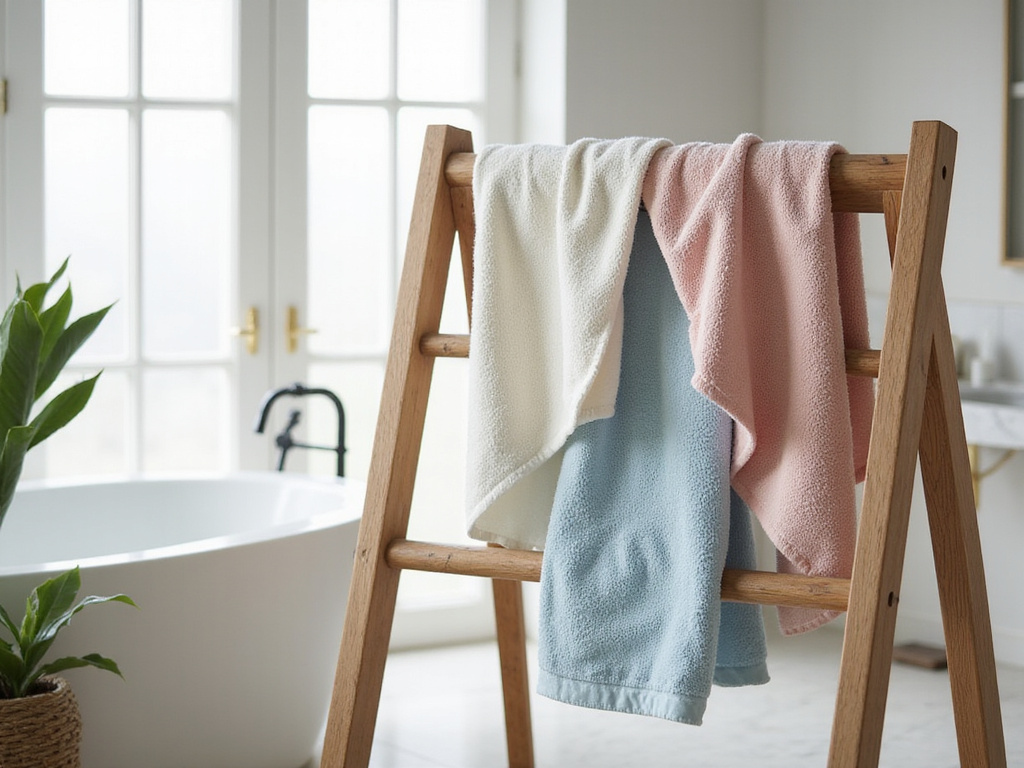
The Ultimate Guide to Cotton Bath Towels: Selecting, Maintaining, and Maximizing Your Bathroom Luxury
There’s something undeniably luxurious about wrapping yourself in a plush, soft cotton bath towel after a refreshing shower. Yet, not all cotton towels are created equal, and even the highest quality ones require proper care to maintain their softness and absorbency over time. Whether you’re in the market for new towels or looking to breathe new life into your existing collection, understanding the nuances of cotton bath towels can transform your daily routine into a spa-like experience.
Cotton bath towels are a household essential that often doesn’t receive the attention it deserves. The right towel not only dries you effectively but also adds a touch of comfort and luxury to your bathroom routine. In this comprehensive guide, we’ll explore everything you need to know about cotton bath towels—from selection criteria and breaking them in to maintenance practices and troubleshooting common issues. By the end, you’ll be equipped with expert knowledge to make informed purchasing decisions and extend the lifespan of your beloved bath linens.
Understanding Cotton Bath Towel Quality: What to Look For
When shopping for cotton bath towels, it’s easy to feel overwhelmed by the variety of options available. Understanding what makes a quality towel can help you invest wisely in linens that will stand the test of time and provide the comfort you desire.
Cotton Types: Exploring Your Options
The type of cotton used in your towels significantly impacts their performance and feel. Here are the primary varieties you’ll encounter:
- Egyptian Cotton: Considered the gold standard, Egyptian cotton features extra-long fibers that create exceptionally soft, durable, and absorbent towels. Authentic Egyptian cotton towels will specify that they’re made with cotton grown in Egypt.
- Pima/Supima Cotton: Similar to Egyptian cotton in quality, Pima cotton (with Supima being the trademarked version grown in the United States) offers long fibers that produce soft and durable towels at a somewhat more accessible price point.
- Turkish Cotton: Known for its long fibers and impressive absorbency, Turkish cotton towels become softer and fluffier with each wash while maintaining excellent durability.
- Organic Cotton: Grown without synthetic pesticides or fertilizers, organic cotton towels appeal to environmentally conscious consumers and those with sensitive skin. They may feel slightly less soft initially but often improve with washing.
- Standard Cotton: Conventional cotton towels are the most affordable option but may not offer the same level of softness, absorbency, and longevity as premium cotton varieties.
Weave and Construction: The Foundation of Towel Performance
Beyond cotton type, the weave and construction methods play crucial roles in determining how a towel feels and functions:
- Terry Cloth: The classic looped weave that creates small loops of thread on both sides, increasing the surface area and enhancing absorbency. More loops generally mean greater absorbency.
- Waffle/Honeycomb Weave: Features a distinctive grid pattern that increases surface area while allowing for faster drying. These towels are typically lighter and less plush but dry quickly.
- Zero Twist: Made with longer-staple cotton fibers that don’t need to be twisted for strength, resulting in exceptionally fluffy, soft towels with excellent absorbency.
- Low Twist: A compromise between durability and softness, with fibers twisted just enough to enhance strength while maintaining a plush feel.
GSM Rating: Decoding Towel Weight and Density
GSM (grams per square meter) indicates the density of a towel’s fabric. Understanding GSM ratings helps you select towels that match your preferences:
- 300-400 GSM: Lightweight towels ideal for gym bags, travel, or hot climates. They dry quickly but offer less absorbency and plushness.
- 400-600 GSM: Medium-weight towels that balance absorbency, softness, and drying time. Perfect for everyday use and hand towels.
- 600-900 GSM: Heavy, premium towels offering maximum absorbency and plushness. These luxury options provide a spa-like experience but take longer to dry.
When selecting your ideal cotton bath towel, consider your priorities—do you value quick-drying efficiency, ultimate plushness, or a balance between the two? Your personal preferences and practical needs should guide your decision.
Breaking In New Cotton Bath Towels: Patience Pays Off
If you’ve ever been disappointed by the performance of brand-new cotton bath towels, you’re not alone. Many high-quality cotton towels require a “break-in period” before reaching their peak softness and absorbency. Understanding this process can help manage expectations and ensure you take the right steps to help your towels reach their full potential.
Why New Towels Need Breaking In
Fresh from the factory, cotton towels often contain residual manufacturing chemicals, finishes, and coatings that can inhibit their natural absorbency. These treatments help towels look full and fluffy on store shelves but can temporarily diminish performance. Additionally, the cotton fibers themselves need time to open up and develop their absorbent properties fully.
Don’t be discouraged if your new premium towels don’t immediately impress you with their absorbency. Many of the finest cotton towels actually improve significantly with use and proper washing, developing enhanced softness and absorbency over the first few wash cycles.
The Optimal Break-In Process
To help your new cotton bath towels reach their maximum potential quickly:
- Initial Wash: Before first use, wash your new towels in warm water with a small amount of mild detergent and one cup of white vinegar (no fabric softener). The vinegar helps remove manufacturing residues while starting to soften the fibers.
- Follow Up: For the next 2-3 washes, use only half the recommended amount of detergent and skip fabric softeners entirely. This helps the natural cotton fibers develop their absorbency without coating them in absorbency-reducing chemicals.
- Proper Drying: During the break-in period, alternating between tumble drying on medium heat and line drying can help the fibers develop. If tumble drying, include clean tennis balls or dryer balls to fluff the fibers and help break down stiffness.
- Patience: Most quality cotton towels will significantly improve after 3-5 wash cycles, with continued enhancements over the first few months of use.
Many consumers mistakenly assume their new premium towels are defective when they don’t immediately match expectations for absorbency. Understanding the break-in process helps avoid this disappointment and allows you to properly develop your towels’ quality. With proper care, high-quality cotton towels actually improve with age up to a point, often reaching peak performance after several washes.
Daily Care and Maintenance: Preserving Towel Quality
The way you use, wash, and dry your cotton bath towels significantly impacts their lifespan, softness, and absorbency. Implementing proper care routines can extend your towels’ useful life while keeping them fresh, fluffy, and effective.
Post-Shower Towel Handling
How you treat your towels immediately after use makes a tremendous difference in preventing bacterial growth, musty odors, and maintaining towel quality:
- Proper Hanging: Always hang your towel fully stretched out on a towel bar rather than on a hook. Hooks don’t allow sufficient air circulation, creating damp spots where bacteria and mildew thrive. Spread the towel to maximize surface area exposure to air.
- Avoid Overlapping: When hanging multiple towels, ensure they don’t overlap excessively. Crowded towels dry slowly and can develop unpleasant odors.
- Bathroom Ventilation: Ensure your bathroom has adequate ventilation—run the exhaust fan for 20-30 minutes after showering or open a window if possible. Reducing humidity helps towels dry faster.
- Rotation System: Implement a towel rotation system rather than using the same towel consecutively for too long. Most experts recommend washing bath towels after three to four uses.
Washing Techniques for Optimal Towel Care
The washing machine is where towels can either be rejuvenated or damaged, depending on your approach:
- Sorting: Always sort towels before washing by both color and weight. Wash towels separately from clothing to prevent lint transfer and provide adequate space for thorough cleaning.
- Machine Loading: Avoid overloading your washing machine. Towels need room to move freely and be cleaned thoroughly. A too-full machine results in inadequate rinsing and residue buildup.
- Detergent Selection: Use a gentle, preferably liquid detergent without added bleach or fabric softeners. These additives coat cotton fibers, reducing their natural absorbency and softness over time.
- Detergent Amount: Use less detergent than recommended—about half to two-thirds of the suggested amount is usually sufficient. Excess detergent leaves residue that makes towels stiff and less absorbent.
- Temperature Considerations: For white and light-colored towels, warm or hot water (around 40-60°C/104-140°F) helps remove oils and bacteria effectively. For dark-colored towels, cool to warm water (about 30-40°C/86-104°F) preserves color while still cleaning adequately.
- Additives: Instead of fabric softener, add 1/2 cup of white vinegar to the rinse cycle once monthly to remove residue buildup and refresh towels. The vinegar smell dissipates during drying.
Drying Methods That Preserve Fluffiness
How you dry your towels significantly impacts their texture and longevity:
- Shake Before Drying: Give towels a good shake before placing them in the dryer to loosen fibers and encourage fluffiness.
- Drying Temperature: Tumble dry on medium heat rather than high heat, which can damage fibers and shrink towels. Higher heat isn’t necessary and can reduce towel lifespan.
- Dryer Balls: Use wool dryer balls or clean tennis balls to help separate towel fibers during drying, increasing fluffiness and reducing drying time.
- Drying Time: Don’t over-dry towels. Remove them when they’re just dry, as excessive heat exposure damages fibers over time.
- Line Drying Option: For maximum longevity, consider line-drying towels (outdoors or on an indoor rack) until almost dry, then tumbling briefly in the dryer to soften. This hybrid approach combines energy efficiency with softness.
- Folding Promptly: Fold towels promptly after drying to minimize wrinkles and maintain their shape. Proper folding also makes storage more efficient and towels more presentable.
By implementing these care practices, you’ll significantly extend the life of your cotton bath towels while maintaining their softness, absorbency, and appearance. Proper maintenance not only preserves your investment but also enhances your daily shower experience.
Revitalizing Old Towels: Restoration Techniques
Even with proper care, cotton bath towels eventually lose some of their original softness and absorbency. Before replacing them, consider these effective restoration methods that can breathe new life into tired towels.
Deep Cleaning with Towel Stripping
When towels remain stubbornly stiff, develop persistent odors, or lose absorbency despite regular washing, they likely have buildup from detergent, fabric softener, body oils, and minerals. Towel stripping—a deep cleaning process—can remove these accumulated residues:
- Fill your bathtub or a large basin with hot water (as hot as possible without damaging the towels).
- Add a cleaning mixture of:
- 1/4 cup borax
- 1/4 cup washing soda (not baking soda)
- 1/2 cup laundry detergent
- 1 cup white vinegar
- Stir until dissolved, then submerge your towels completely.
- Soak for 4-6 hours, occasionally stirring or agitating the water.
- Drain the tub and squeeze excess water from towels.
- Run towels through a regular wash cycle without adding detergent.
- Dry thoroughly on medium heat.
This intensive process removes years of buildup and can dramatically improve towel performance. For less severe cases, a simplified version with just hot water and vinegar can also be effective.
Vinegar and Baking Soda Refreshers
For routine towel refreshing between deep strippings, these simpler methods can maintain towel quality:
- Vinegar Refresh: Wash towels in hot water with 1 cup of white vinegar and no detergent. This removes detergent residue and odors while softening fibers naturally. Follow with a regular wash cycle if desired.
- Baking Soda Boost: Add 1/2 cup of baking soda along with your regular detergent (use half the normal amount). Baking soda helps balance pH, remove odors, and brighten towels.
- Double Rinse Technique: Sometimes the simplest solution is most effective—running towels through an extra rinse cycle ensures all detergent residue is removed, which can significantly improve absorbency.
Addressing Specific Towel Issues
Different towel problems require tailored approaches:
- For Scratchy, Stiff Towels: Soak in a solution of 1 cup white vinegar per gallon of warm water for 1 hour, then wash normally without detergent. This helps dissolve mineral deposits and soap residue causing stiffness.
- For Persistent Odors: Add 1/2 cup of baking soda to the wash cycle, followed by 1/2 cup vinegar during the rinse cycle. Ensure towels are completely dry before storing.
- For Declining Absorbency: Stop using fabric softener immediately and strip towels as described above. It may take several washes after stripping before natural absorbency fully returns.
- For Fading Colors: Add 1 cup of salt to the wash cycle to help set colors, and always wash dark towels in cold water with detergents formulated for dark fabrics.
Many towels considered past their prime can be successfully revitalized with these methods. However, if towels show significant fraying, thinning, or tears, it may be time to repurpose them as cleaning rags and invest in new bath towels.
Smart Shopping: Finding Quality Towels at Every Price Point
Investing in quality cotton bath towels doesn’t necessarily mean breaking the bank. With strategic shopping approaches and knowledge of what truly matters, you can find excellent towels across various price ranges.
Budget-Friendly Quality Options
When working with a limited budget, focus on these aspects to get the best value:
- 100% Cotton Construction: Even at lower price points, insist on 100% cotton towels rather than cotton-polyester blends, which typically offer inferior absorbency and feel.
- Mid-Range GSM: Look for towels in the 400-550 GSM range, which offer a good balance of absorbency, durability, and reasonable drying time without commanding premium prices.
- Standard Cotton with Proper Construction: Well-constructed standard cotton towels can outperform poorly made “premium” cotton varieties. Check for tight, even stitching and uniform loops.
- Strategic Timing: Shop major white sales (typically in January), holiday promotions, and end-of-season clearances when quality towels can be discounted by 30-50%.
- Consider Open Stock: Instead of sets, consider purchasing individual towels (open stock) focusing your budget on bath towels while choosing more economical washcloths and hand towels.
Reliable budget-friendly retailers often include Target’s Threshold brand, IKEA’s higher cotton lines, and homegoods discounters like TJ Maxx or HomeGoods where you can occasionally find premium brands at reduced prices.
Mid-Range Investment Towels
In the middle price range, your options expand considerably:
- Turkish or Pima Cotton: At this price point, look for towels made from long-staple cotton varieties like Turkish or Pima/Supima, which offer excellent durability and softness.
- Higher GSM Options: Mid-range budgets can access towels in the 550-700 GSM range, providing greater plushness and absorbency.
- Enhanced Construction Features: Look for double-turned edges with double stitching, reinforced dobby borders, and higher loop counts—all indicators of better durability.
- Reputable Mid-Range Brands: Companies like Lands’ End, L.L.Bean, and department store private labels often offer excellent quality-to-price ratios in this category.
- Direct-to-Consumer Brands: Online brands like Brooklinen, Parachute, and Italic offer premium-quality towels at mid-range prices by eliminating retail markups.
Luxury Towel Investments
If you’re prepared to invest in true luxury bath linens:
- Premium Long-Staple Cotton: Look for certified Egyptian cotton, Sea Island cotton, or premium Supima with extra-long fibers that create exceptional softness and longevity.
- Higher GSM Construction: Luxury towels typically feature GSM ratings of 700-900, creating substantial, plush towels with superior absorbency.
- Advanced Weaving Techniques: Zero-twist technology, specialized finishing processes, and proprietary weaving methods enhance performance and feel.
- Expectation of Longevity: Premium towels should maintain their quality for 5-10 years with proper care, making them cost-effective despite higher initial investment.
- Respected Luxury Brands: Companies with long-standing reputations for excellence include Frette, Abyss & Habidecor, Matouk, and Coyuchi, among others.
Evaluating Towels in Person
When possible, examining towels before purchase provides valuable insights:
- The Hand Test: Run your hand across the surface—quality towels should feel substantial without being overly heavy, with dense, even loops.
- The Compression Test: Squeeze a corner of the towel in your hand—better towels spring back quickly when released.
- The Loop Examination: Look at the loops closely—they should be uniform in height and density with minimal shedding when you rub the surface.
- The Edge Inspection: Check the edges and hems for tight, straight stitching with secure finishing that won’t unravel.
- The Absorption Test: If permitted, place a small corner of the towel on a wet surface—quality cotton should begin absorbing immediately.
Remember that even the most expensive towels require proper care to perform at their best. A mid-range towel with excellent care will outperform a neglected luxury towel over time.
Creating a Cohesive Towel Collection: Practical Considerations
Building a thoughtful towel collection involves more than just choosing quality individual pieces. Consider these practical aspects to create a well-rounded, functional towel assortment that meets your household’s needs.
Determining Your Towel Inventory Needs
The ideal number of towels depends on your household size, laundry frequency, and guest accommodation needs:
- Per Person Baseline: At minimum, allocate 2-3 bath towels, 2 hand towels, and 3-4 washcloths per household member. This allows for rotation while accommodating laundry schedules.
- Guest Provisions: Keep an additional 2-4 complete towel sets designated for guests, preferably in a neutral color that’s distinct from your daily towels.
- Backup Supply: Consider maintaining a small reserve of extra towels for emergencies, periods of illness, or unexpected guests.
- Special Purpose Towels: Depending on your lifestyle, you might need dedicated towels for specific purposes—beach towels, gym towels, hair towels, or makeup removal towels.
For a family of four with occasional guests, a well-stocked linen closet typically includes 12-16 bath towels, 8-12 hand towels, and 16-24 washcloths, plus specialty items as needed.
Color Selection Strategies
Beyond aesthetics, towel color choices have practical implications:
- White Towels: Offer the advantage of bleach-compatibility for deep cleaning and stain removal. They also provide a clean, spa-like appearance and make it easy to spot when towels need washing. However, they show all stains and may not be ideal for makeup removal or households with small children.
- Dark Colors: Hide stains better and can maintain their appearance longer, especially for makeup removal or children’s use. However, they may fade more noticeably over time and can transfer lint to light-colored clothing.
- Medium Tones: Offer a practical compromise, hiding moderate soiling while still maintaining a fresh appearance. Colors like medium gray, taupe, or sage provide versatility with reasonable stain-masking properties.
- Color Coding: Consider assigning different colors to different family members or purposes (guest towels, gym towels) to simplify organization and use.
A practical approach often involves a combination: perhaps white towels for master bathrooms, darker colors for children or high-use areas, and a distinctive color set aside for guests.
Storage Solutions for Towel Longevity
Proper storage significantly impacts towel lifespan and performance:
- Ensure Complete Dryness: Never store towels that retain even slight dampness, as this invites mildew and musty odors.
- Folding Techniques: Fold towels in thirds lengthwise, then in half or thirds again depending on shelf depth. This creates neat, stackable rectangles that minimize creasing.
- Stacking Strategy: Avoid overly tall stacks that can topple or compress bottom towels. Keep stacks under 6 inches high for best results.
- Rotation System: Place newly laundered towels at the bottom of stacks and take from the top, ensuring even usage across your collection.
- Storage Location: Store towels in well-ventilated, dry spaces away from direct sunlight, which can fade colors. Linen closets should ideally have some airflow rather than being completely sealed.
- Space Between Stacks: Allow small gaps between towel stacks rather than cramming them tightly together, promoting better air circulation.
For homes with limited storage space, consider decorative baskets, over-door hooks, or towel ladders that allow towels to stay visible yet organized.
Establishing a Towel Replacement Cycle
Even quality towels eventually reach the end of their useful life. Establishing guidelines for replacement helps maintain a fresh, functional collection:
- Regular Assessment: Evaluate your towel collection during seasonal cleaning. Look for thinning areas, fraying edges, persistent stains, or declining absorbency that doesn’t improve with stripping.
- Typical Replacement Timeline: With proper care, expect these approximate lifespans:
- Budget towels: 2-3 years
- Mid-range towels: 3-5 years
- Premium towels: 5-10 years
- Gradual Renewal Strategy: Instead of replacing all towels at once, implement a rolling replacement by adding a few new pieces annually and retiring the most worn items.
- Repurposing Plan: Establish a “towel lifecycle” where older bath towels become guest towels, then perhaps gym towels, and finally cleaning rags before disposal.
This systematic approach to building and maintaining your towel collection ensures you’ll always have fresh, effective towels while managing your budget responsibly.
Sustainable and Eco-Friendly Towel Choices
As environmental awareness grows, many consumers are seeking more sustainable options for household essentials, including bath towels. Understanding the environmental impact of different towel options helps you make choices aligned with your values.
Organic Cotton: Benefits and Considerations
Organic cotton towels offer several environmental advantages compared to conventional cotton:
- Cultivation Practices: Organic cotton is grown without synthetic pesticides, herbicides, or fertilizers, reducing chemical runoff into waterways and soil contamination.
- Worker Safety: Organic farming methods protect agricultural workers from exposure to harmful chemicals associated with conventional cotton production.
- Water Conservation: Many organic cotton farms implement more sustainable water management practices, though cotton remains a water-intensive crop.
- Certification Standards: Look for credible certifications like GOTS (Global Organic Textile Standard) or OEKO-TEX, which verify organic claims and ensure products meet rigorous environmental and social criteria.
When shopping for organic cotton towels, be prepared for potentially higher prices and understand that organic towels may initially feel less soft than conventionally produced alternatives. However, with proper breaking in and care, they develop excellent softness and absorbency while offering environmental benefits.
Alternative Sustainable Fibers
Beyond organic cotton, other sustainable fiber options are emerging in the bath towel market:
- Bamboo Blend Towels: Bamboo is a rapidly renewable resource requiring minimal pesticides and water. Bamboo-cotton blends offer exceptional softness and natural antimicrobial properties. However, the processing of bamboo into fabric often involves chemical treatments, so look for certifications regarding processing methods.
- Hemp Towels: Hemp requires minimal water and no pesticides to grow, making it one of the most environmentally friendly fibers. Hemp towels are exceptionally durable and become softer with use, though they may feel rougher initially compared to cotton.
- Linen Towels: Made from flax plants, linen requires minimal water and pesticides. Linen towels offer excellent absorbency and quick-drying properties, though they typically feel less plush than cotton.
- Recycled Cotton Towels: Made from recovered cotton waste from production processes or post-consumer sources, these towels give new life to existing materials, reducing waste and resource consumption.
Each alternative fiber offers unique performance characteristics while reducing environmental impact in different ways. Consider what sustainability aspects are most important to you when evaluating these options.
Environmentally Conscious Towel Care
How you maintain your towels can be as important as your initial purchase choice when considering environmental impact:
- Water Temperature: Wash towels in cold or warm water instead of hot whenever possible, reducing energy consumption. Modern detergents work effectively at lower temperatures.
- Eco-Friendly Detergents: Choose plant-based, biodegradable detergents free from phosphates, optical brighteners, and synthetic fragrances.
- Line Drying: Whenever weather and space permit, line-dry towels instead of using a dryer. This saves significant energy while exposing towels to the natural sanitizing effects of sunlight.
- Natural Refreshers: Use white vinegar and baking soda instead of chemical fabric softeners and commercial boosters to maintain towel quality.
- Optimal Loading: Wash full (but not overstuffed) loads to maximize water and energy efficiency.
- Extended Lifespan Focus: Implementing proper care techniques to maximize towel longevity is perhaps the most environmentally friendly approach of all, reducing consumption and waste.
By combining sustainable towel choices with environmentally conscious care practices, you can significantly reduce the ecological footprint of your bathroom linens while still enjoying quality and performance.
Towels Beyond the Bathroom: Expanding Your Collection
While bath towels form the foundation of your towel collection, expanding into specialized towel types can enhance comfort and functionality throughout your home. These purposeful additions serve specific needs that standard bath towels may not address optimally.
Specialized Towel Types Worth Considering
These specialized towel varieties serve distinct purposes that complement your basic bath towels:
- Hair Towels: Smaller, lighter towels specifically designed to wrap around wet hair. Often made from microfiber or a cotton-microfiber blend, they reduce frizz and damage compared to using regular bath towels. Their lightweight construction puts less strain on the neck.
- Makeup Removal Towels: Specially designed dark-colored towels (often black or navy) for removing makeup without showing stains. Some feature dual-sided construction with different textures for different purposes.
- Turkish Peshtemal Towels: Flat-woven, quick-drying towels traditionally used in Turkish baths. These versatile towels work well for travel, the beach, or as lightweight bath towels in warm climates. They become more absorbent with washing.
- Oversized Bath Sheets: Extra-large towels (approximately 35″ × 60″ or larger) that provide more coverage than standard bath towels. Ideal for larger individuals or those who prefer complete coverage after bathing.
- Gym/Sport Towels: Quick-drying, often antimicrobial towels sized for gym bags. These specialized towels prevent the damp, musty issues associated with stuffing wet towels into gym bags.
Each specialized towel type addresses specific needs that standard bath towels may fulfill adequately but not optimally. Evaluating your lifestyle and preferences can help determine which specialized additions would most benefit your household.
Seasonal Towel Rotation Strategies
Just as you might rotate your wardrobe seasonally, adjusting your towel selection throughout the year can enhance comfort and practicality:
- Summer Towel Selection: In warmer months, lighter GSM towels (300-500) dry faster in humid conditions and feel less heavy in hot weather. Consider rotating in quicker-drying options like Turkish peshtemals or waffle-weave towels.
- Winter Towel Choices: During colder seasons, higher GSM towels (600-900) provide extra warmth and comfort. Their longer drying time is less problematic in heated indoor environments with lower humidity.
- Seasonal Color Rotation: Some households enjoy incorporating seasonal color changes—perhaps lighter, brighter hues for spring/summer and deeper, richer tones for fall/winter.
- Holiday Guest Preparation: During periods when you expect more guests (holidays, summer visits), ensure your guest towel supply is refreshed and ample.
A thoughtful seasonal rotation not only provides practical benefits but also adds variety and freshness to your bathroom environment throughout the year.
Travel and Portable Towel Options
For those who travel frequently, specialized portable towel options offer significant advantages:
- Microfiber Travel Towels: Ultra-lightweight, compressible towels that absorb several times their weight in water and dry extremely quickly. While they lack the plush feel of cotton, their practicality makes them ideal for backpacking, camping, or frequent travelers.
- Turkish Peshtemals: These thin, flat-woven cotton towels fold compactly while providing good absorbency, making them excellent travel companions for those who dislike the feel of microfiber.
- Quick-Dry Hybrid Towels: Newer options combining cotton with technical fibers offer improved feel compared to pure microfiber while maintaining quick-drying properties.
- Compact Gym Towels: Smaller than standard bath towels but more substantial than typical hand towels, these provide adequate drying capability while fitting easily in gym bags or luggage.
When selecting travel towels, prioritize quick-drying properties and compressibility while balancing these practical concerns with your comfort preferences.
FAQs About Cotton Bath Towels
Why are my new cotton towels not absorbing water well?
New cotton towels often have manufacturing residues and finishes that temporarily reduce absorbency. They require a “break-in period” of 3-5 wash cycles to reach optimal performance. For faster results, wash new towels in warm water with a cup of white vinegar and no fabric softener before first use. This helps remove manufacturing chemicals and allows the natural cotton fibers to open up and develop their absorbent properties.
How often should cotton bath towels be washed?
Bath towels should ideally be washed after 3-4 uses. In humid climates or if the towel remains damp for extended periods between uses, washing after 2-3 uses may be preferable. Hand towels, which are used by multiple people and often remain damp, should be washed more frequently—approximately every 2-3 days. Washcloths used directly on the body should be washed after each use to prevent bacteria buildup.
What is causing my cotton towels to smell musty even after washing?
Musty-smelling towels typically result from bacteria growth facilitated by moisture, detergent buildup, and inadequate drying. To eliminate the odor: 1) Wash towels in hot water with 1 cup of white vinegar and no detergent; 2) Run a second cycle with 1/2 cup baking soda and no detergent; 3) Ensure towels dry completely, preferably in direct sunlight if possible; 4) Prevent future odors by hanging towels spread out (not on hooks), ensuring bathroom ventilation, and avoiding fabric softener which traps moisture.
What does GSM mean for cotton towels and which is best?
GSM (grams per square meter) measures the density and weight of towel fabric. Lightweight towels (300-400 GSM) dry quickly but offer less absorbency and plushness. Medium-weight towels (400-600 GSM) balance absorbency and drying time, making them ideal for everyday use. Luxury, heavyweight towels (600-900 GSM) provide maximum absorbency and plushness but take longer to dry. The “best” GSM depends on your priorities: choose higher GSM for luxury and absorbency, lower GSM for quick drying and warmer climates, or mid-range for versatility.
How can I make my cotton towels softer and fluffier?
To maximize towel softness and fluffiness: 1) Wash in warm (not hot) water with half the recommended detergent amount; 2) Add 1/2 cup white vinegar to the rinse cycle monthly to remove residue; 3) Skip fabric softener, which reduces absorbency and leaves coating; 4) Shake towels vigorously before placing in dryer; 5) Dry on medium heat with wool dryer balls or clean tennis balls to fluff fibers; 6) Remove promptly when just dry, avoiding over-drying; 7) For extremely stiff towels, try the stripping method with borax, washing soda, and vinegar to remove built-up residues.
What’s the difference between Egyptian, Turkish, and regular cotton towels?
Egyptian cotton features extremely long fibers (staples) grown in Egypt’s specific climate, creating exceptionally soft, durable towels with superior absorbency. Turkish cotton has long fibers that produce towels with a rapid dry time and increasing softness through washing. Regular cotton uses shorter fibers, creating serviceable towels at lower cost but with less durability and softness. The key difference lies in fiber length—longer fibers create stronger, smoother yarns that result in more durable, softer towels that shed less over time. Premium cotton varieties generally improve with washing, while standard cotton may deteriorate more quickly.
References: